...

Greenhouse Structures Built For Performance

Polycarbonate Sheets for Greenhouses: The Complete Guide

Polycarbonate sheet is a rigid, hollow-wall covering that gives better insulation and impact resistance than film. FANGCHENG supplies polycarbonate sheet in 6, 8 and 10 mm for greenhouses, with the profiles and fixings to fit it.

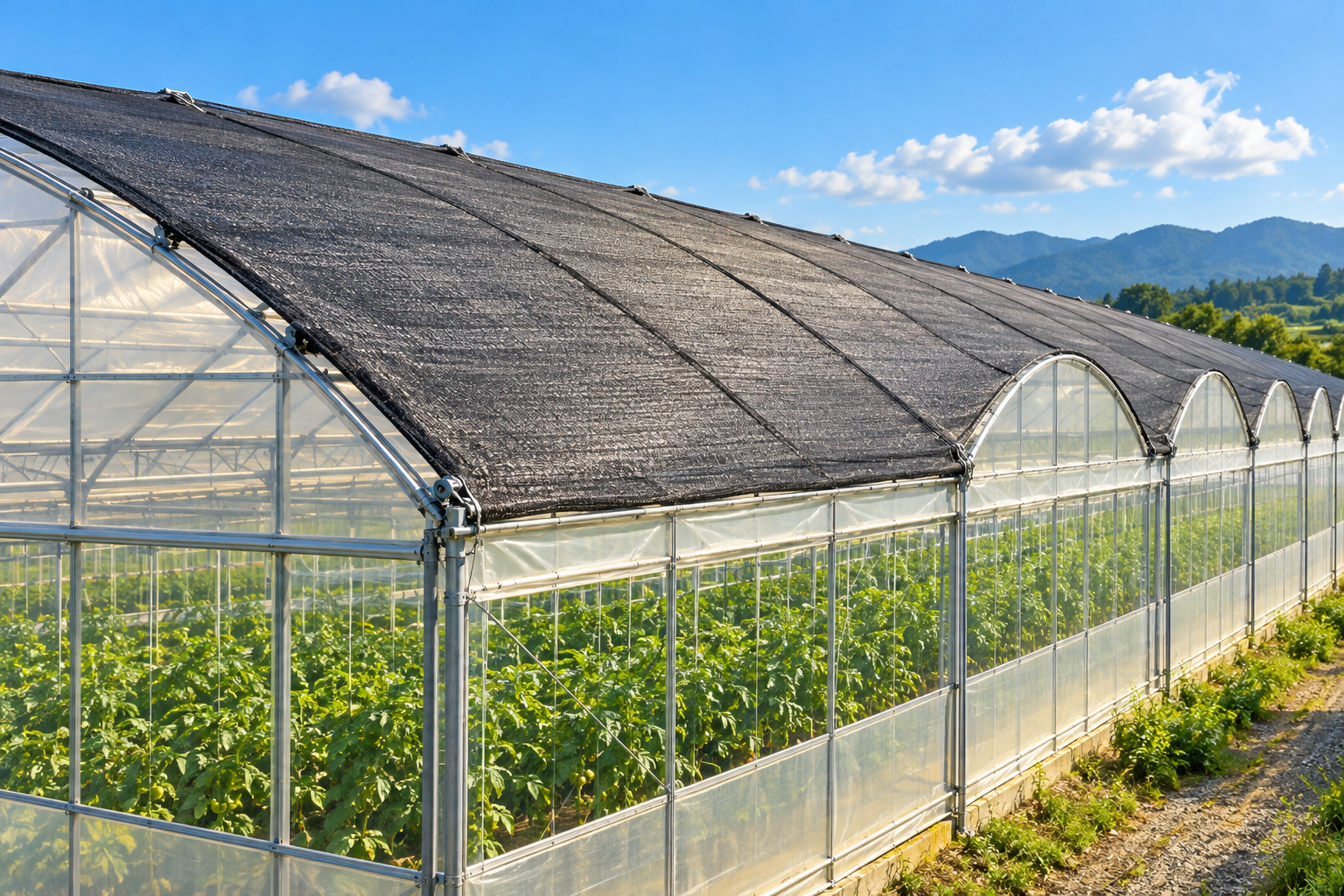
Inside a greenhouse covered with polycarbonate sheetTwin-wall roof
How it works

How twin-wall sheet works

Twin-wall or multiwall sheet is made of thin outer skins joined by ribs, so it contains small air channels. The trapped air slows heat loss, which is why it insulates better than a single layer of film or glass. The skins still let most light through.

This guide explains how twin-wall sheet works, how to choose between 6, 8 and 10 mm, why the UV side matters, how to fit sheet without cracking it, and how to buy it at volume.

Thickness

Choosing 6, 8 or 10 mm

A thicker sheet insulates better and is stiffer, but it costs more and transmits slightly less light. We recommend by your climate and structure.

6 mm
01 / 03

6 mm

Lightest and lowest cost. Suits milder climates and smaller spans.

8 mm
02 / 03

8 mm

A common balance of insulation, strength and price.

10 mm
03 / 03

10 mm

More insulation and strength. Suits cold climates and wider spans.

Why hollow sheet is stiff

The ribs between the two skins act like small beams. They give the sheet stiffness without much weight, so it can span between purlins and bear light loads such as snow better than a single thin layer.

Thickness, span and support

A thicker sheet can span farther between supports, and carries load better. Thinner sheet needs closer support. The structure, the snow and wind at your site and the distance between purlins all decide which thickness to choose.

Clear or tinted

Clear sheet gives the most light for growing. Tinted or opal sheet cuts light, which suits hot, sunny sites or crops that dislike strong sun, but it reduces growth light. Choose by crop and climate.

Heat and movement

Sheet grows in the heat and shrinks in the cold. If it is fixed too tightly it buckles or cracks. Leave room for the movement at the edges, and use profiles that allow it.

Polycarbonate sheet roof facing the sunUV side up
UV protection

UV protection: which side faces the sun

Polycarbonate sheet has a UV-protective layer on one side. That side has to face the sun. A sheet fitted the wrong way round ages and yellows much faster, and the damage cannot be reversed.

  1. 01

    Check the marking on the protective film before you remove it

  2. 02

    Keep the protective film on until the sheet is fixed

  3. 03

    Make sure the whole crew knows which side is which before the first sheet goes up

Polycarbonate sheet fixed on a greenhouse frameProfiles that allow movement
Fitting

Fitting sheet correctly

  1. 01

    Sheet expands and contracts with temperature, so profiles and fixings must allow movement

  2. 02

    Seal the open ends of the channels so dust and insects stay out

  3. 03

    Use the right profiles at joints

  4. 04

    Use fasteners made for sheet, not ordinary screws that crack it

Condensation and the open channels

Moisture can enter the channels and stay inside, which shows up as cloudy streaks and dirt. Sealing the ends with the right tape or caps, and allowing the lower end to drain, keeps the sheet clean for longer.

Compared

Polycarbonate compared

Film

Versus film

Longer life and better insulation, but a higher purchase cost.

Glass

Versus glass

Lighter, much more impact-resistant and easier to fit, though glass can give more light and last longer.

Polycarbonate greenhouse roofRoof and sidewalls
Where it suits

Where polycarbonate suits

  • Cold or impact-prone areas, such as hail
  • Sidewalls and gable ends
  • Greenhouses with reinforced frames and automatic ventilation
  • Projects that want a longer service life than film
Care

Cleaning and care

Use soft cloths and mild soap
Do not use harsh solvents or abrasive pads
Rinse dust regularly, since it cuts light
Check seals and fixings each season
Buying sheet

Buying polycarbonate sheet at volume

We supply sheet on its own or with the greenhouse.Minimum order, lead time and price are confirmed when we quote.
Get a Free Quote
0 of 5 ready
FAQ

Common questions

Straight answers. If yours is not here, ask us.

It depends on climate, span and budget. Tell us your site and we recommend 6, 8 or 10 mm.

Yes. Sheet needs profiles and fasteners made for it, so it can move and stays sealed.

It lasts longer and insulates better, but costs more to buy. It depends on your priorities.

Yes. We supply sheet on its own or with the greenhouse. We also offer a free sample and quote.

No. Use a board or ladder across several supports when working on the roof.

Yes, with the right tools and care to avoid cracks. Seal the cut ends afterwards.

It can if the UV side is fitted facing the wrong way. Fit it with the UV side to the sun.

Get started

Get polycarbonate sheets for your greenhouse

Send your climate, structure and quantity. We reply within 24 hours.

Consultation and project proposals are free.

What to include

  • Your climate
  • Your structure
  • Quantity
  • Reply within 24 hours
Scroll to Top
Two people choosing plants inside a greenhouse
Greenhouse manufacturer in Guangzhou
  • We reply within 24 hours
  • Free consultation and project proposals
  • Free sample and quote
Contact us

Leave us your info

We are always happy to help you with any commercial greenhouse questions or requests you may have.

We use your details only to answer your inquiry.