 跳至内容
跳至内容 
Greenhouse Door
Table of Contents
Why Choose FANGCHENG?
Customizable, professional, and knowledgeable. We produce cost-effective & high-quality commercial greenhouses.
We are a professional China greenhouse door manufacturer and supplier, offering durable and weather-resistant doors designed for various greenhouse structures. Our doors provide smooth operation, strong sealing performance, and reliable access control for daily greenhouse use.
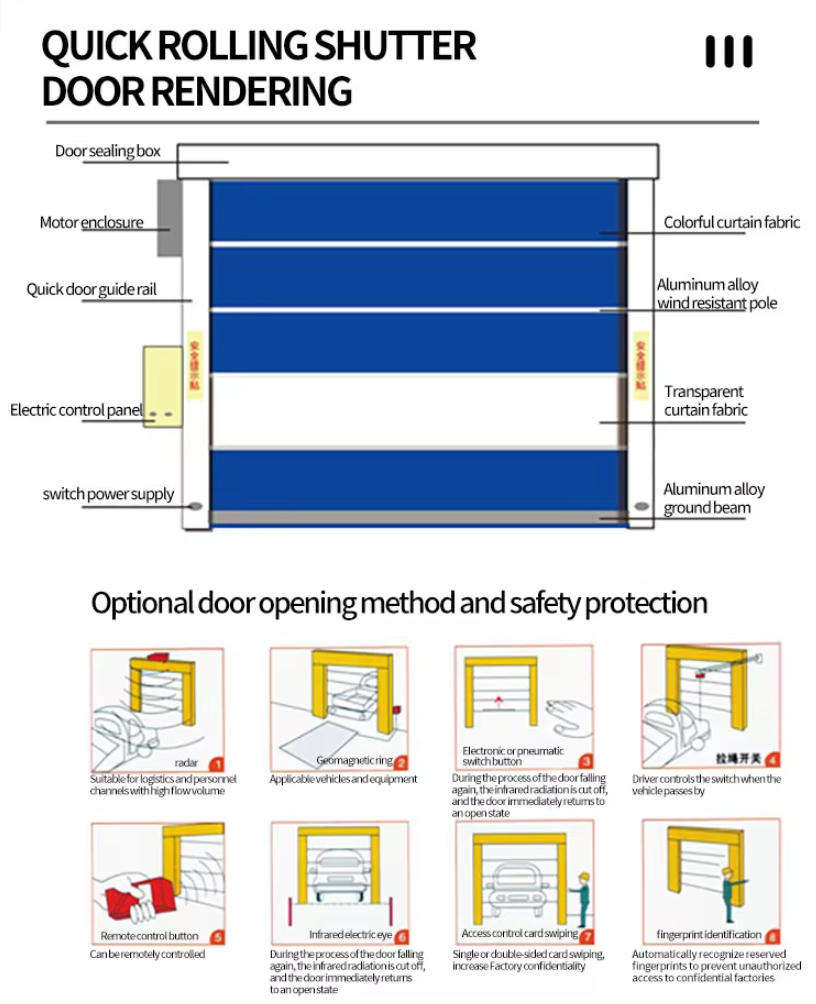
The Importance of Greenhouse Doors in Modern Greenhouse Design
Greenhouse doors may appear to be simple entry points, but they play a crucial role in the overall greenhouse system. A well-designed door influences accessibility, ventilation, insulation, and the structural integrity of the end-wall. It also determines how efficiently workers, equipment, and materials can move in and out of the greenhouse. Because doors act as the main connection between the inside and outside environments, their design and performance directly affect climate stability and operational efficiency.
In addition to providing access, greenhouse doors help maintain internal environmental conditions. A proper sealing mechanism prevents heat loss, reduces humidity fluctuations, and minimizes external air intrusion. This stability is essential for consistent crop growth and overall greenhouse productivity.
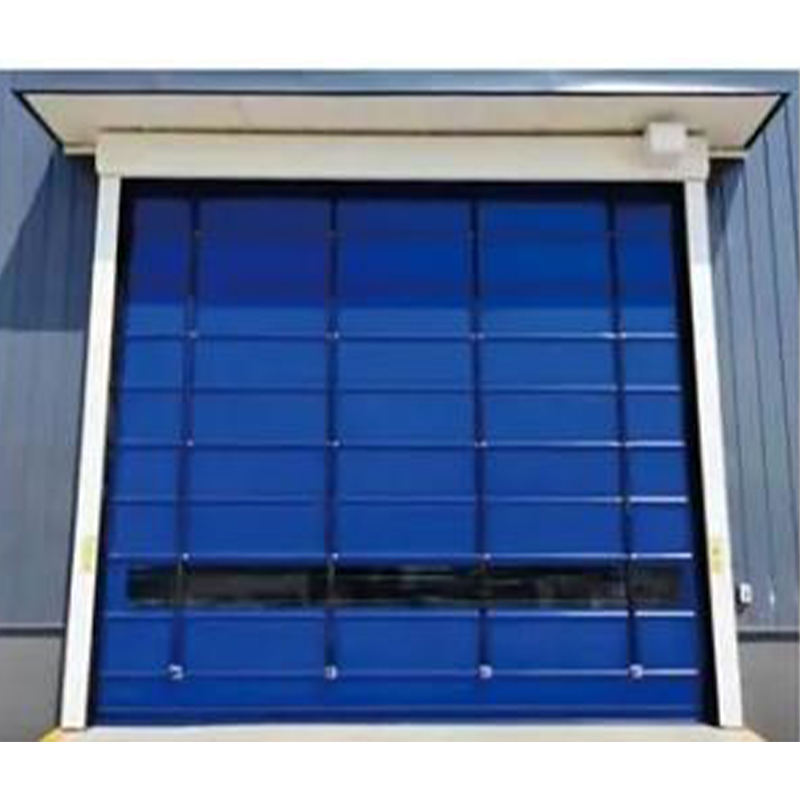
Door Structure and Material Considerations
The structure of a greenhouse door must balance durability and ease of operation. It must withstand frequent opening and closing, exposure to moisture, and potential temperature changes. Many greenhouse doors use steel or aluminum frames to ensure long-term stability. These materials resist corrosion and maintain strong structural support even in humid or chemically active environments.
The covering material of the door often matches the greenhouse’s exterior. Polyethylene film, polycarbonate panels, or reinforced fabric may be used depending on the greenhouse type. Matching materials ensure uniform light transmission and thermal performance.
Insulation is another important factor. In colder climates, doors with polycarbonate layers or added seals help reduce heat loss. In warmer environments, a lighter film door may be more suitable for ventilation and easy movement.
Sliding Doors and Their Advantages
Sliding doors are one of the most common greenhouse door types. They operate smoothly along a track and require minimal space for opening. This design prevents strong air drafts that might occur when swinging a door open. Sliding doors are especially useful in larger greenhouses where frequent access is needed.
Their simple structure also makes them easy to repair or modify. Because sliding doors distribute weight along a track, the door remains stable and easy to operate even with larger sizes. This feature is important for greenhouses that use machinery or carts.
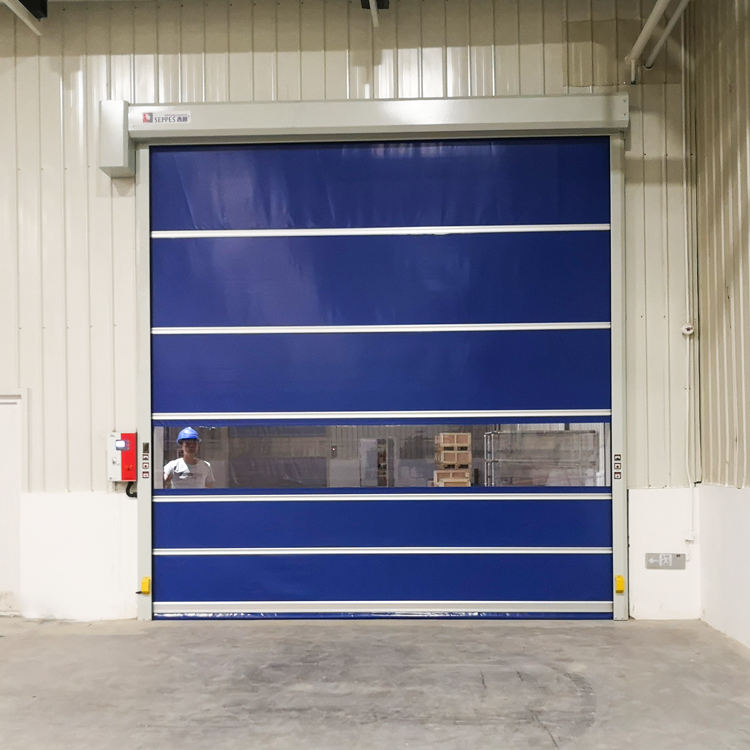
Hinged Doors for Smaller or High-Control Spaces
Hinged doors offer a more traditional opening style. They create a tight seal when closed, which helps maintain stable climate conditions. This type of door is commonly used for smaller growing areas, isolated rooms, or greenhouses requiring stricter environmental control.
The hinge mechanism provides a solid closure, and the frame can support thicker or more insulated door panels. Hinged doors are also ideal when the greenhouse has limited wall length or when only one person typically accesses the space at a time.
What can I get?
Please leave your contact email, and one of our professional greenhouse engineers will reach out to you within 24 hours.
Ventilation and Airflow Management Through Door Design
Greenhouse doors are part of the ventilation system. Their size, placement, and opening method influence how air moves through the structure. In naturally ventilated greenhouses, opening the door helps release hot air and introduce fresh airflow. The design of the door must prevent sudden temperature swings while still supporting natural ventilation patterns.
Proper sealing prevents the loss of conditioned air when ventilation is not required. The quality of the seal also reduces the infiltration of cold air, pests, or dust. Well-designed doors therefore improve both climate management and operational hygiene.
Integration With Greenhouse Frames and End-Wall Systems
A greenhouse door must integrate seamlessly with the frame and end-wall. The surrounding structure must be strong enough to support the door and resist vibration or wind pressure. Reinforcing beams are often used around the door opening to ensure long-term stability.
The alignment between the door frame and the greenhouse structure is critical. Poor alignment can cause gaps, uneven pressure, or difficulty in opening and closing. A properly fitted door contributes to a more rigid and stable greenhouse, improving overall performance.
Because the end-wall often accommodates ventilation fans, windows, or shading systems, the door design must complement the layout. Coordinated design ensures efficient use of space and prevents interference with other structural components.
Weather Resistance and Environmental Performance
Greenhouse doors are exposed to wind, rain, and temperature extremes. A strong frame, corrosion-resistant materials, and robust sealing elements are essential for maintaining durability. Reinforced corners and secure locking systems help the door resist deformation under pressure.
In rainy climates, doors should prevent water ingress along the bottom seal. In windy regions, doors must remain firmly closed without rattling or bending. Environmental resistance contributes directly to the stability of the entire greenhouse.
Installation Practices for Long-Term Reliability
Proper installation determines how well a greenhouse door performs. The frame must be square and level to ensure smooth operation. Tracks for sliding doors must be aligned and free of obstruction. Hinged doors require precise hinge installation to maintain gap-free closure.
Sealing strips or rubber gaskets must be applied accurately to prevent air leakage. Every fastening point must be tightened securely but without deforming the frame. Good installation reduces wear, prevents damage, and ensures long-term reliability.
After installation, periodic checks maintain performance. Lubricating tracks, tightening screws, and adjusting seals help keep the door functioning properly over many seasons.
Conclusion
Greenhouse doors are fundamental components that influence access, environmental control, and structural stability. Their design, materials, and installation determine how effectively the greenhouse maintains internal conditions and supports daily operations. Whether sliding or hinged, lightweight or insulated, a well-designed greenhouse door contributes significantly to productivity and long-term durability. Understanding its role within the broader greenhouse system helps ensure a safer, more efficient, and more climate-stable growing environment.
