 跳至内容
跳至内容 
China Greenhouse Shade Cloth Supplier
Table of Contents
Why Choose FANGCHENG?
Customizable, professional, and knowledgeable. We produce cost-effective & high-quality commercial greenhouses.
As a leading greenhouse shade cloth supplier in China, FANGCHENG provides high-quality, UV-stabilized shading fabrics designed for commercial greenhouse projects. Our shade cloth helps growers reduce excessive sunlight, lower heat buildup, and maintain stable growing conditions across all seasons.
We offer customizable shading densities and specifications to support vegetables, ornamentals, fruit crops, and nursery production worldwide.
What Is Greenhouse Shade Cloth?
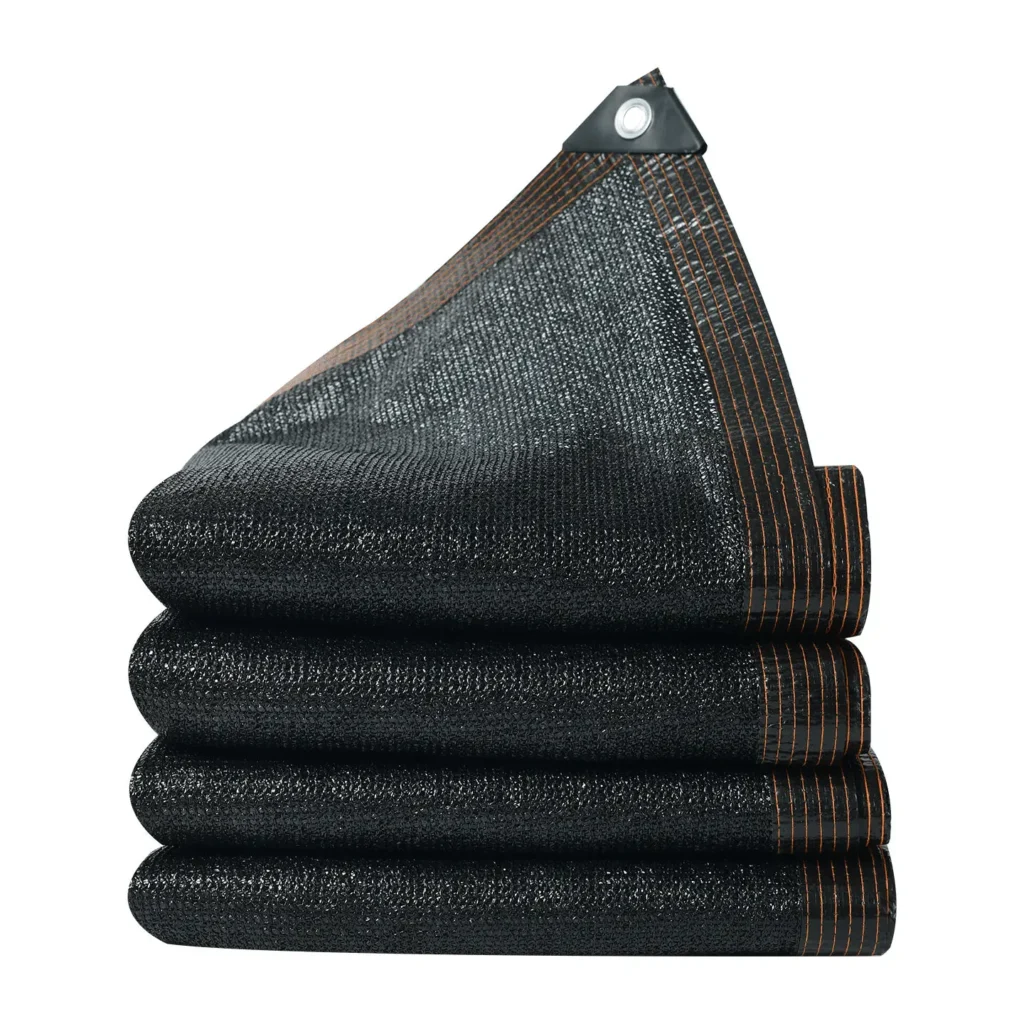
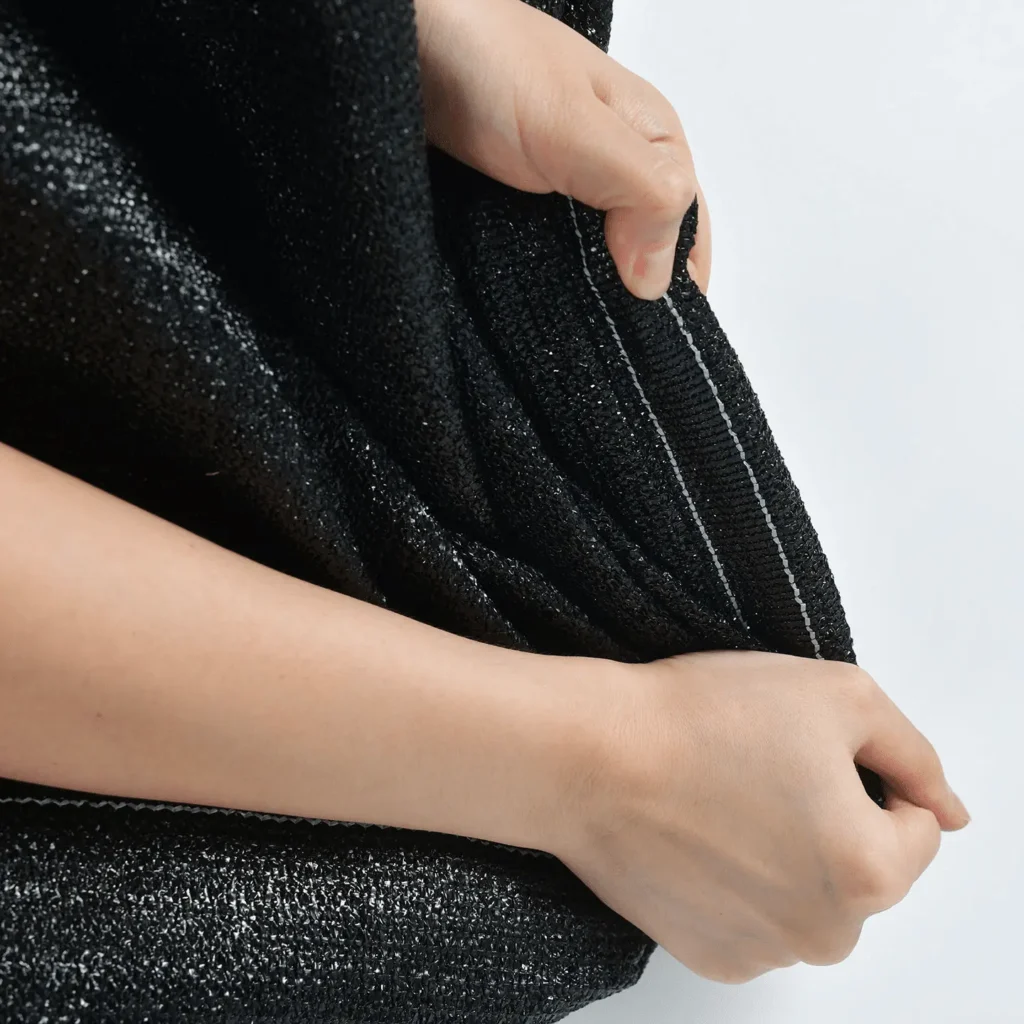
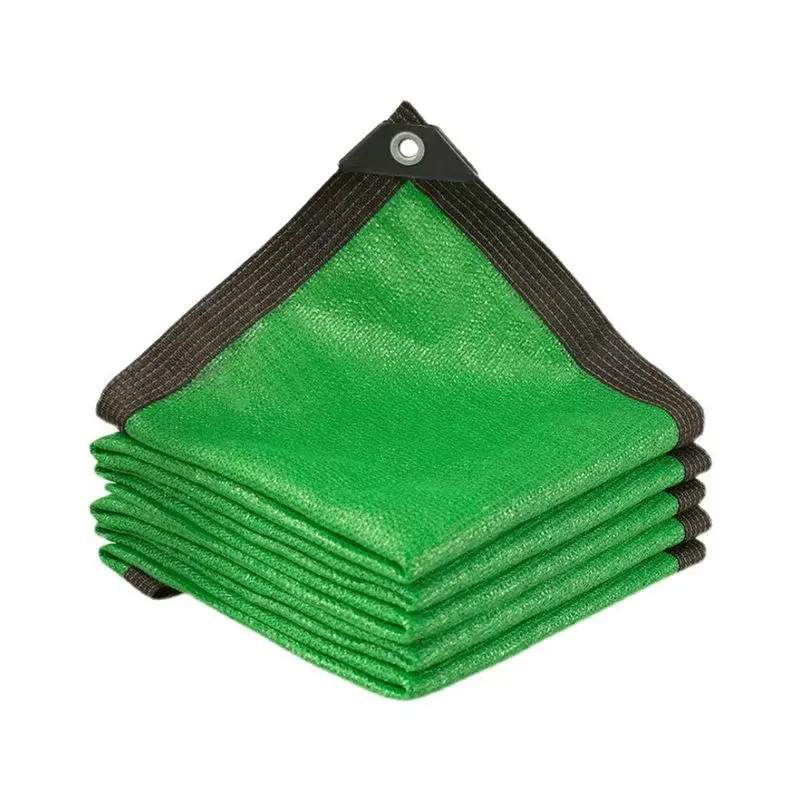
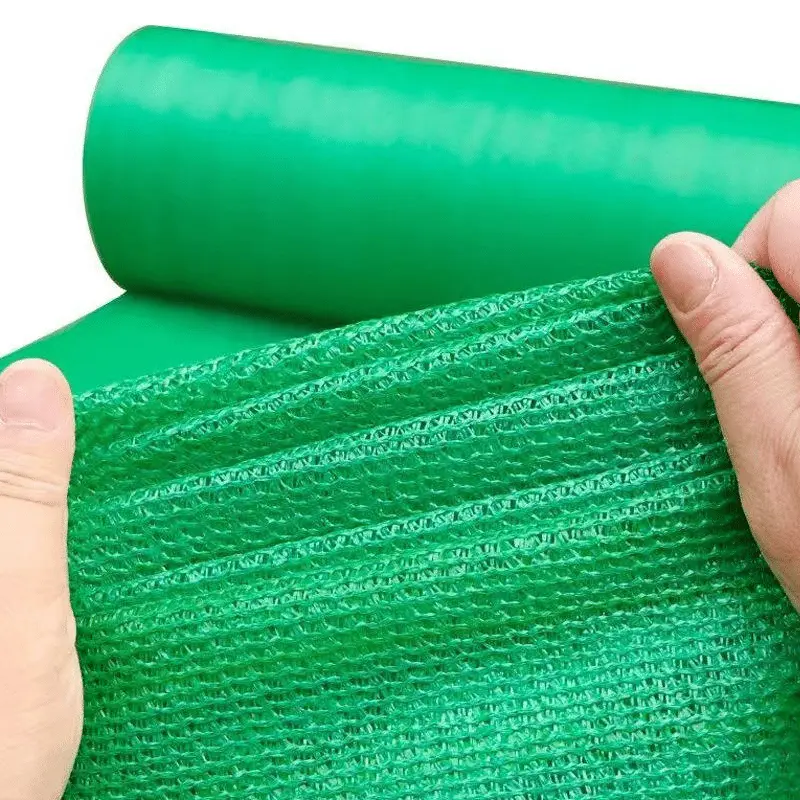
A greenhouse shade cloth is a specialized fabric designed to reduce sunlight intensity and heat inside a greenhouse. By filtering part of the sunlight and blocking harmful UV radiation, it helps maintain a cooler, more balanced environment for plant growth. Shade cloth does not eliminate light; instead, it adjusts the amount of light entering the greenhouse so that crops receive only what they can safely use.
This controlled reduction prevents leaf burn, slows excessive transpiration, stabilizes temperature, and creates a gentler microclimate—especially important during summer or in regions with strong sunlight.
Why Shade Cloth Matters for Greenhouse Growing
Light is essential for photosynthesis, but too much light causes damage. When sunlight becomes excessive, plants experience heat stress, leaf scorch, slowed growth, and water loss. Shade cloth reduces these risks by moderating both light intensity and heat load.
The cloth also influences greenhouse temperature. By blocking a portion of solar radiation, internal air temperature becomes more manageable, reducing the need for mechanical cooling. This leads to lower water demand, improved crop uniformity, and reduced energy costs. For growers in warm climates, shade cloth is one of the most effective tools for maintaining crop health.
What can I get?
Please leave your contact email, and one of our professional greenhouse engineers will reach out to you within 24 hours.
How Shade Cloth Improves Greenhouse Climate
When installed correctly, shade cloth significantly improves overall climate stability. It helps prevent rapid temperature fluctuations, creating a smoother day-to-day environment that plants can adapt to easily. Shade cloth also reduces evaporation rates, which means crops lose less water through transpiration. As a result, irrigation frequency can decrease, water waste is reduced, and nutrient management becomes more efficient.
In addition to temperature control, many shade cloths have light-diffusing properties. Instead of allowing harsh, direct beams, they scatter light throughout the greenhouse. This improves light penetration into lower canopy levels and reduces shadowing, leading to more uniform growth across the entire crop.
Choosing the Right Shade Density
Shade cloth is available in multiple shade percentages, typically ranging from 30% to 80%. The optimal shade density depends on crop type, local sunlight conditions, and seasonal climate.
Crops that naturally thrive in bright light—such as tomatoes, cucumbers, peppers—require lighter shade levels to avoid limiting photosynthesis. More delicate or shade-tolerant crops—such as ferns, orchids, lettuce, and young seedlings—often require higher shading levels to avoid light damage.
Selecting the correct shade density ensures plants receive the right balance between sunlight and protection. Too little shading leads to heat stress; too much shading slows growth. This balance is essential for maximizing yield and crop quality.
Installation Considerations and Climate Integration
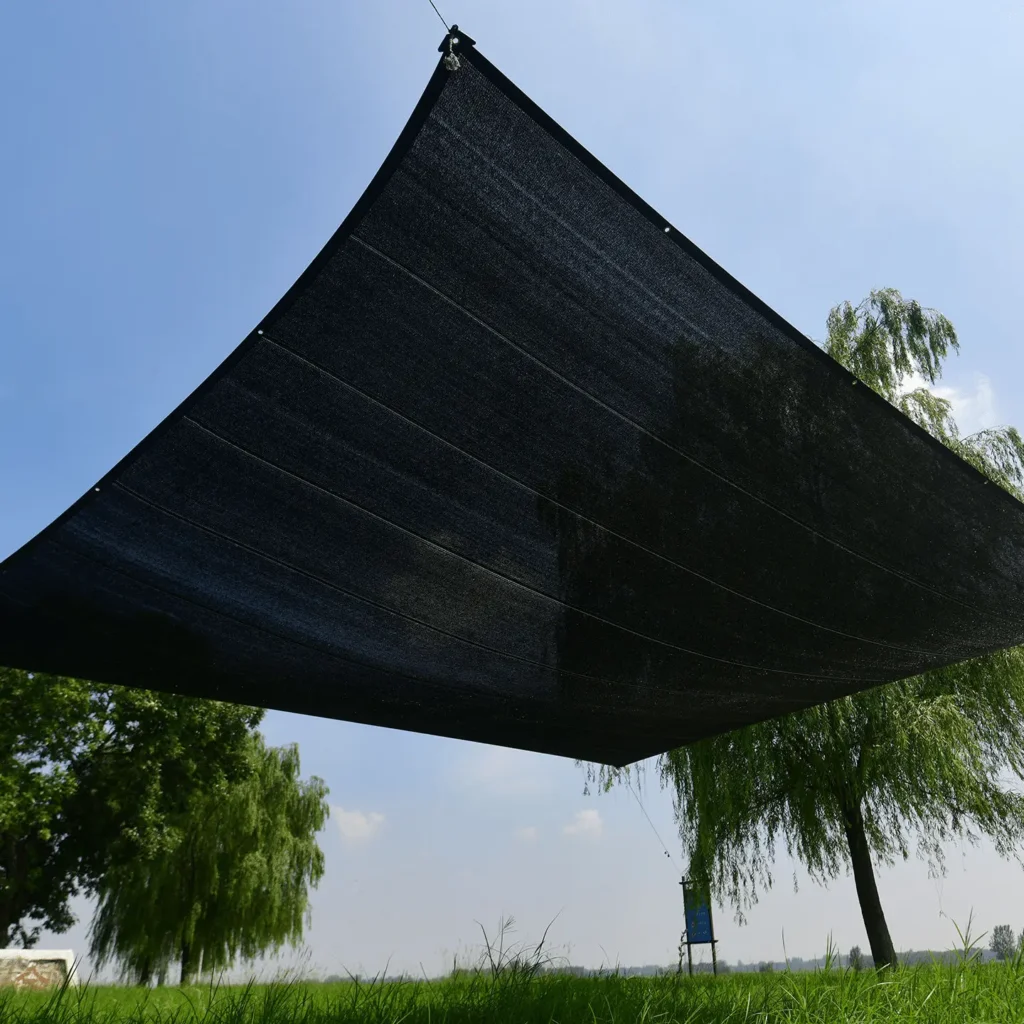
A shade cloth can be installed either internally or externally depending on the greenhouse structure and climate. External installations block heat before it enters the greenhouse, making them highly effective in hot climates. Internal shading is easier to install and maintain, and can also serve as thermal insulation during cooler seasons.
Shading should also be coordinated with other climate systems. When shade cloth reduces solar gain, cooling systems operate less frequently, saving energy. When shading lowers light intensity, supplemental lighting may compensate during low-light periods. Integrated climate control improves predictability and efficiency throughout the growing season.
Best Practices for Using Shade Cloth
Successful shading is not just about material selection. Proper tensioning, correct height, and strategic seasonal adjustment all influence performance. Shade cloth may remain installed year-round in hot regions, but in moderate climates, removing or retracting it during winter restores maximum natural light.
Routine maintenance—such as cleaning dust, ensuring airflow around the cloth, and checking connection points—helps maintain shading efficiency and extends product lifespan.
Conclusion
A greenhouse shade cloth is a simple yet powerful tool for controlling light, reducing heat stress, and improving overall crop performance. By managing sunlight and creating a more balanced growing environment, shade cloth supports healthier plants, more uniform growth, and greater production efficiency.
Whether used in vegetable greenhouses, flower houses, nurseries, or commercial agriculture, the right shade cloth strengthens climate control and enhances year-round crop quality—making it an essential component of modern greenhouse management.
FAQs About Greenhouse Shade Cloth
1. Which shade cloth is best for a greenhouse?
The best shade cloth depends on your crop and climate. Most vegetable and flower growers use 30–50% shading, while nurseries and shade-loving plants may require 60–80%. Choose a UV-stabilized cloth with consistent light filtering for long-term greenhouse use.
2. What is the purpose of shade cloth in a greenhouse?
Shade cloth reduces excess sunlight and heat, helping prevent leaf burn, heat stress, and rapid moisture loss. It keeps the greenhouse cooler, stabilizes the environment, and supports healthier, more uniform plant growth.
3. What is a shade cloth?
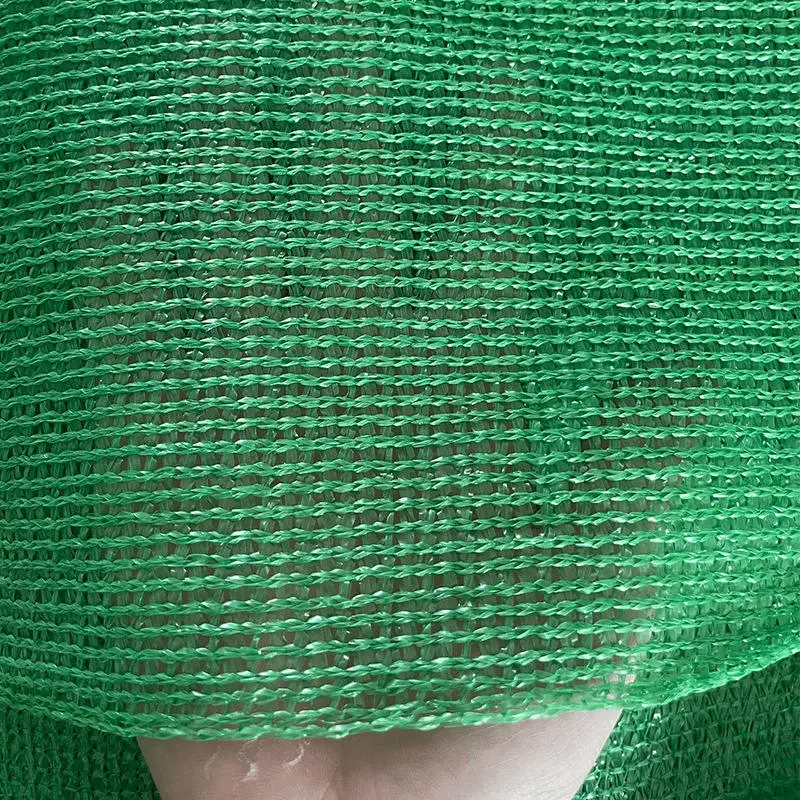
A shade cloth is a woven or knitted fabric designed to filter sunlight and block part of the solar radiation. It protects plants from strong light and creates a controlled microclimate inside greenhouses or nurseries.
4. What is the best shading for a greenhouse?
The ideal shading depends on crop type and local sunlight levels. Light-demanding crops need lower shading, while delicate crops require higher shading. Many growers adjust shading seasonally to maintain the right balance of light and temperature.
