 跳至内容
跳至内容 
Greenhouse Control System
Table of Contents
Why Choose FANGCHENG?
Customizable, professional, and knowledgeable. We produce cost-effective & high-quality commercial greenhouses.
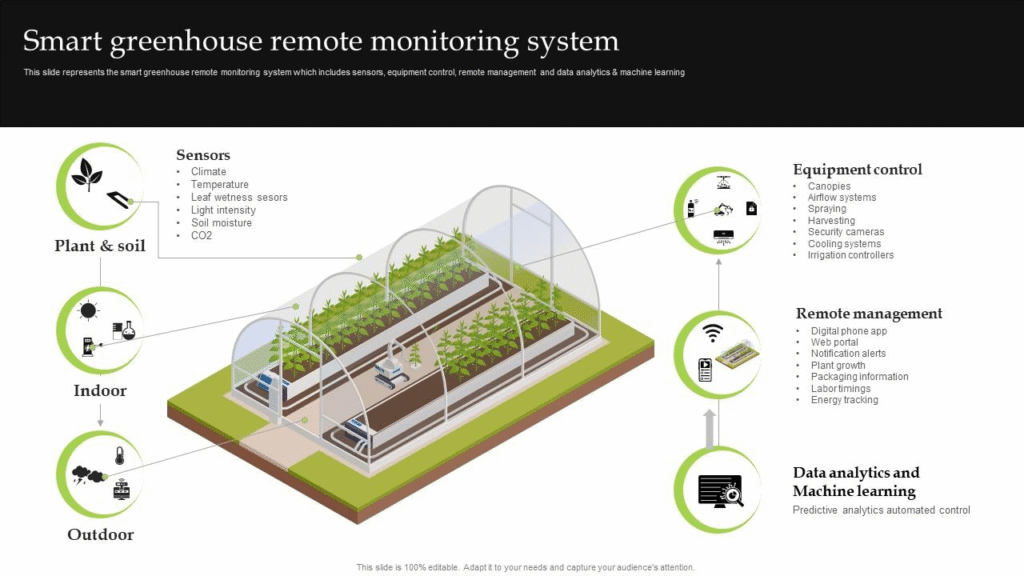
A greenhouse control system integrates climate, irrigation, lighting, ventilation, and energy management into one automated platform, allowing growers to maintain stable growing conditions with minimal labor. For commercial greenhouses, automation improves consistency, reduces resource waste, and increases overall productivity.
FANGCHENG provides integrated control solutions tailored to greenhouse size, climate demands, and crop requirements. Our systems combine smart sensors, automated climate adjustments, and centralized management tools to help growers achieve precise, efficient, and reliable crop production.
What is
Greenhouse Control System
A greenhouse control system is an automated system that monitors and adjusts environmental factors like temperature, humidity, light, and carbon dioxide levels to create optimal growing conditions for plants.

Why Environmental Control Is
Essential in a Greenhouse
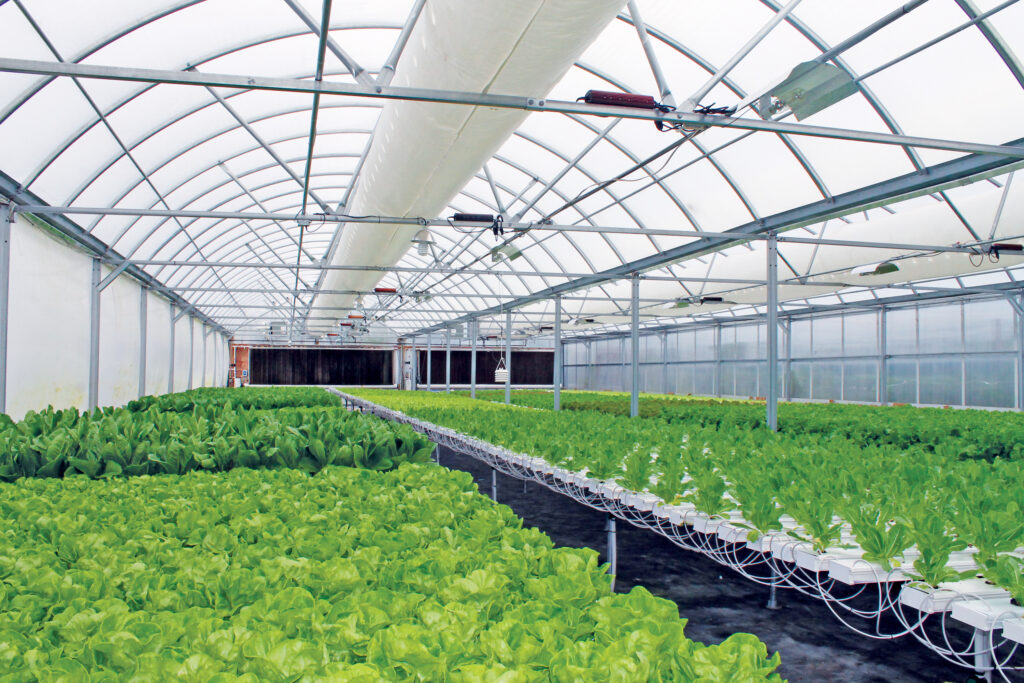
A greenhouse is designed to isolate crops from outdoor fluctuations, but maintaining the ideal internal environment is challenging without a proper control system. Temperature, humidity, CO₂ levels, irrigation timing, air movement, and lighting intensity all influence plant growth. Even small climate deviations can cause stress, reduce yield, or increase disease pressure.
A control system ensures these variables stay within the target range, responding automatically to real-time environmental changes. This allows growers to maintain stable microclimates across seasons, reduce manual monitoring, and produce consistent, high-quality crops throughout the year.
How a Greenhouse
Control System Works
A modern control system relies on a network of sensors measuring temperature, humidity, light intensity, CO₂ concentration, and sometimes substrate moisture. These sensors transmit data to a central controller, which analyzes conditions and activates equipment accordingly.
The system may open vents when temperatures rise, activate heaters during cold nights, adjust lighting output based on natural sunlight, or trigger irrigation and nutrient dosing based on crop demand. With automation, the greenhouse becomes a self-regulating environment that requires minimal manual intervention.
Advanced control solutions also provide remote monitoring via mobile or desktop interfaces. Growers can access real-time data, receive alerts, and adjust settings from anywhere, improving operational oversight and reducing labor dependency.
What can I get?
Please leave your contact email, and one of our professional greenhouse engineers will reach out to you within 24 hours.
Core Climate Functions Managed by a Control System
Temperature Control
Temperature sensors work with heating and cooling equipment to maintain a stable climate. When temperatures climb, the controller may activate ventilation fans, evaporative cooling systems, or shading. When temperatures drop, heating equipment engages. This ensures plants remain within their optimal growth range.
Humidity Regulation
Humidity affects transpiration, nutrient uptake, and disease development. A control system manages humidity by coordinating ventilation, heating, and sometimes dehumidification equipment. Maintaining proper vapor pressure deficit (VPD) helps optimize plant growth while minimizing fungal risks.
Ventilation and Airflow
Airflow prevents heat buildup and distributes CO₂ evenly. The control system adjusts roof vents, side vents, fans, and circulation airflow to maintain consistent air movement throughout the crop canopy.
CO₂ Enrichment
Some crops benefit from elevated CO₂ levels to enhance photosynthesis. Control systems regulate CO₂ injection timing and concentration, ensuring it remains within safe and effective limits.
Lighting Control
Supplemental lighting is activated based on natural light availability and crop DLI (Daily Light Integral) requirements. Automated dimming helps maintain consistent illumination while reducing electricity consumption.
Irrigation and Fertigation
Sensors measure substrate moisture, EC, and pH to ensure precise nutrient delivery. Automated fertigation reduces human error and provides optimal hydration for each growth stage.
Integration of Multiple Systems for Full Environmental Management
A key strength of modern greenhouse control systems is the integration of climate, irrigation, and energy management into a unified platform. Instead of operating in isolation, each system communicates with others.
For example, when lights generate heat, the cooling system compensates. When vents open, CO₂ supplementation pauses to prevent unnecessary CO₂ loss. When humidity rises, heating or dehumidification adjusts automatically to restore balance.
This coordinated approach avoids conflicting operations and ensures maximum energy efficiency.
Data, Automation, and Predictive Control
Modern greenhouse controls go beyond reactive adjustments. They analyze trends, learn from past climate behavior, and make proactive adjustments. Predictive algorithms estimate temperature swings, sunlight changes, or irrigation needs before they occur, improving crop stability.
Historical data allows growers to fine-tune strategies, identify inefficiencies, and maintain detailed crop records. Cloud-based dashboards centralize all information, enabling multi-greenhouse management from a single interface.
Alarms and notifications alert growers to equipment failures, extreme temperature changes, or water shortages, helping prevent crop losses.
Energy Efficiency and Cost Reduction
Automation greatly improves energy efficiency. By operating heating, cooling, and lighting only when necessary, growers reduce energy waste and operating costs. Shading systems and multi-stage climate setpoints further reduce load on major equipment.
Some growers integrate renewable energy sources or smart scheduling to minimize peak electricity usage. With a control system, energy optimization becomes an integral part of daily operation rather than a manual adjustment.
Scalability and Customization
Greenhouse control systems are designed to expand as operations grow. Single-bay greenhouses can start with basic temperature and irrigation automation, while multi-hectare complexes may require advanced zone control, multi-climate divisions, and crop-specific programming.
Custom control strategies allow growers to design different climate zones based on crop type, growth stage, or production method. This flexibility is essential for nurseries, vegetable growers, flower farms, and research facilities.
Scalability and Customization
Greenhouse control systems are designed to expand as operations grow. Single-bay greenhouses can start with basic temperature and irrigation automation, while multi-hectare complexes may require advanced zone control, multi-climate divisions, and crop-specific programming.
Custom control strategies allow growers to design different climate zones based on crop type, growth stage, or production method. This flexibility is essential for nurseries, vegetable growers, flower farms, and research facilities.
Conclusion
A greenhouse control system is the foundation of modern controlled-environment agriculture. By integrating temperature, humidity, lighting, irrigation, CO₂, and airflow into a single intelligent system, growers can achieve a stable climate, improved yields, lower costs, and consistent year-round production.
Whether managing a small commercial greenhouse or a large multi-zone facility, a well-designed control system transforms complex climate management into an efficient, automated, and highly productive process.
FAQs About Greenhouse Control Systems
Greenhouse Control Systems
A greenhouse control system is an automated platform that manages climate, irrigation, lighting, CO₂, and ventilation. It uses sensors and controllers to maintain optimal growing conditions with minimal manual intervention.
How do you keep a greenhouse cool in 100-degree weather?
To keep a greenhouse cool in extreme heat, use strong mechanical ventilation, evaporative cooling pads or fogging systems, and external shading. Good airflow and reduced sunlight exposure are essential to prevent heat stress.
What is the active cooling system in a greenhouse?
Active cooling refers to systems that use powered equipment—such as exhaust fans, evaporative cooling pads, and high-pressure fogging—to actively move and cool air inside the greenhouse.