跳至内容
跳至内容 
Which greenhouse shape is most efficient? The answer depends on how you define efficiency — light utilization, energy conservation, space usage, ventilation effectiveness, or cost per growing square foot.Learn more about sustainable design on Wikipedia. Learn more about natural ventilation on Wikipedia.
Defining Efficiency
Greenhouse efficiency can be measured in several ways: crop yield per unit of energy input, percentage of usable growing space, light transmission per dollar of construction cost, or operating cost per square foot of growing area. The ASABE EP406.4 standard provides frameworks for evaluating greenhouse performance across these metrics.
Light Efficiency
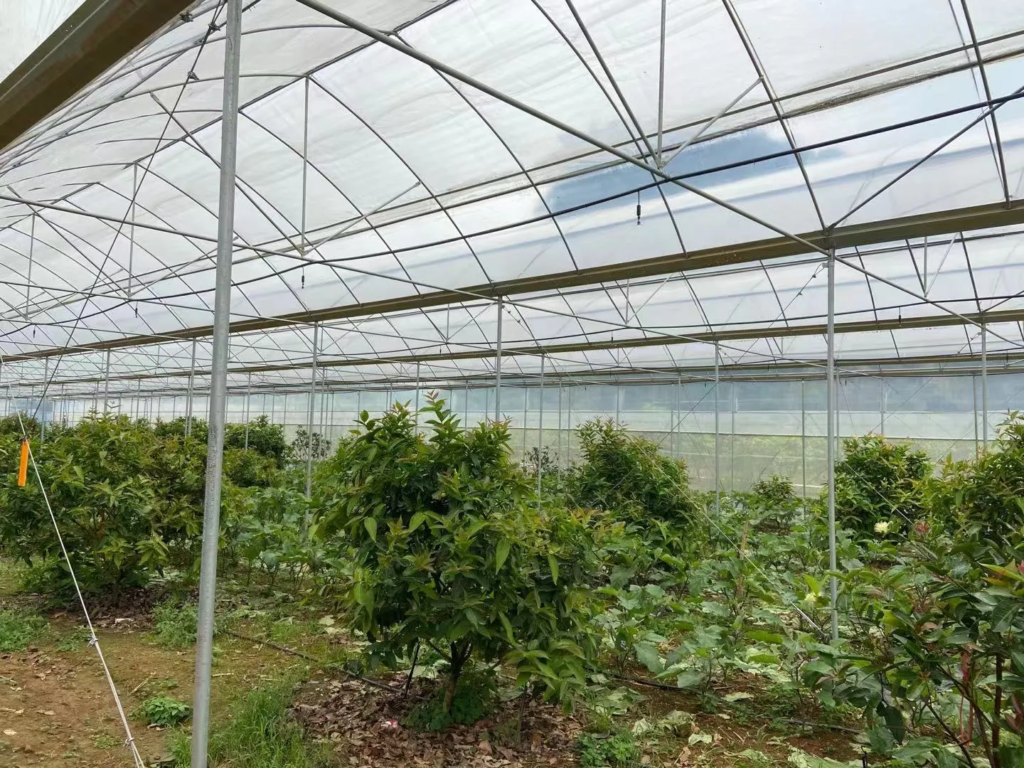
Venlo glass greenhouses are the most light-efficient: They achieve 75-85% light transmission, the highest of any commercial design. The wide-span gabled roof minimizes structural shadow. Each 1% increase in light transmission can boost yield by 0.5-1% for light-sensitive crops. In low-light winter months, Venlo’s light advantage translates directly into higher production.
Energy Efficiency
Energy efficiency depends more on glazing and insulation than shape. Double-wall polycarbonate on any shape provides R-2 to R-4 insulation. The gothic arch shape, combined with polycarbonate and thermal curtains, can be highly energy-efficient. The sawtooth shape loses more heat per square foot due to its larger surface area. The Venlo’s compact shape is moderately energy-efficient.
Space Efficiency
Traditional rectangular shapes (Venlo, sawtooth, gothic arch) offer 90-100% usable floor space. Quonset hoops offer 80-90% due to curved side walls. Domes offer only 60-75% usable space. For maximizing growing area per square foot of land, traditional shapes are most efficient.
Ventilation Efficiency
Sawtooth greenhouses are the most ventilation-efficient, using the chimney effect for natural airflow without mechanical fans. In warm climates, this can eliminate mechanical cooling costs. Venlo paired roof vents provide good but not exceptional ventilation. Gothic arch ridge vents are effective but require fans for peak summer cooling.
Cost Efficiency
| Shape | Cost/sq ft | Usable Space | Cost/usable sq ft | Value Rating |
|---|---|---|---|---|
| Venlo glass | $25-60 | 95% | $26-63 | Good for high-value crops |
| Gothic arch | $20-40 | 95% | $21-42 | Best overall value |
| Sawtooth | $15-30 | 95% | $16-32 | Best for warm climates |
| Quonset | $5-15 | 85% | $6-18 | Best for budget |
Venlo: Light and Energy Efficient
The Venlo greenhouse is the most efficient at converting sunlight into crop growth, making it ideal for high-value crops in temperate climates. Its higher construction cost is justified by increased yield potential. Best for tomatoes, cucumbers, peppers, and flowers where every photon counts.
Gothic Arch: Snow and Structural Efficiency
The gothic arch is the most efficient in heavy snow regions. The pointed roof sheds snow naturally, preventing structural stress and reducing heating costs (snow on the roof is good insulation, but weight is dangerous). The shape accommodates thermal curtains well, improving energy efficiency.
Sawtooth: Ventilation Efficient
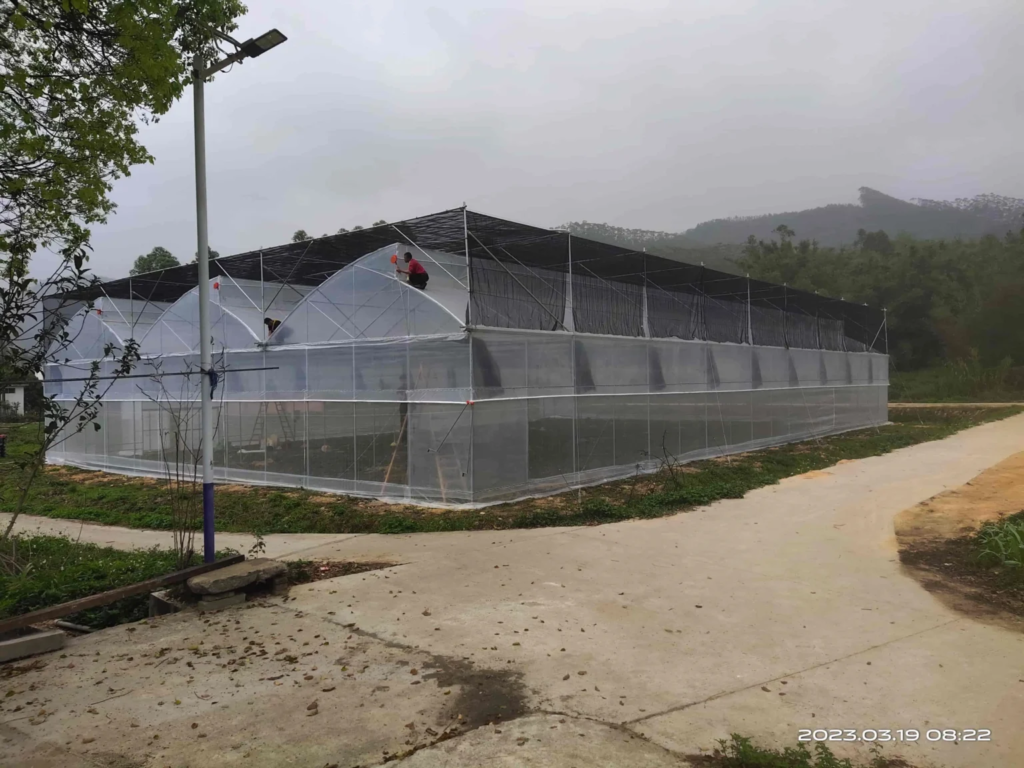
In warm and tropical climates, the sawtooth design’s natural ventilation efficiency can eliminate the need for mechanical cooling fans, saving $2-4/sq ft in equipment and ongoing electricity costs. The chimney effect is free cooling that runs as long as the sun shines.
Quonset: Cost Efficient
The Quonset hoop house is the most cost-efficient shape when construction budget is the primary constraint. At $5-15/sq ft, it provides protected growing at the lowest possible cost. However, its shorter lifespan and limited environmental control mean higher long-term operating costs.
Overall Efficiency Winner
For most commercial operations, the gothic arch with polycarbonate glazing offers the best overall efficiency across all metrics. It provides excellent light transmission, good energy efficiency with thermal curtains, superior snow handling, 95% usable space, and moderate construction cost. For warm climates, sawtooth wins. For maximum yield potential, Venlo wins.
Fangcheng Efficient Designs
Get the most efficient greenhouse for your specific needs. Fangcheng designs greenhouses optimized for your climate, crop, and budget. Our engineering team evaluates light, energy, space, and cost efficiency to recommend the best shape for your operation.
Explore Efficient Greenhouses → | Request an Efficiency Analysis
FAQ
Which greenhouse shape is most energy-efficient?
Gothic arch with polycarbonate glazing and thermal curtains offers the best energy efficiency in cold climates. Venlo with glass offers the best light efficiency.
Which shape is most cost-efficient?
Quonset is cheapest to build ($5-15/sq ft). Gothic arch ($20-40) offers the best cost-to-performance ratio for commercial operations.
Which shape has the best ventilation?
Sawtooth, due to its natural chimney effect. No mechanical fans needed in many climates.
Which shape has the most usable space?
Traditional rectangular shapes (Venlo, gothic arch, sawtooth) offer 90-100% usable floor space.
What is the most efficient greenhouse overall?
For most climates and crops, the gothic arch with polycarbonate glazing offers the best balance across all efficiency metrics.
Conclusion
The most efficient greenhouse shape depends on your definition of efficiency. Venlo for light efficiency, gothic arch for cold climates, sawtooth for warm climates, and Quonset for budget. For most commercial growers, the gothic arch provides the best balanced efficiency across light, energy, space, and cost metrics.