 跳至内容
跳至内容 
Multi-Span Film Greenhouse
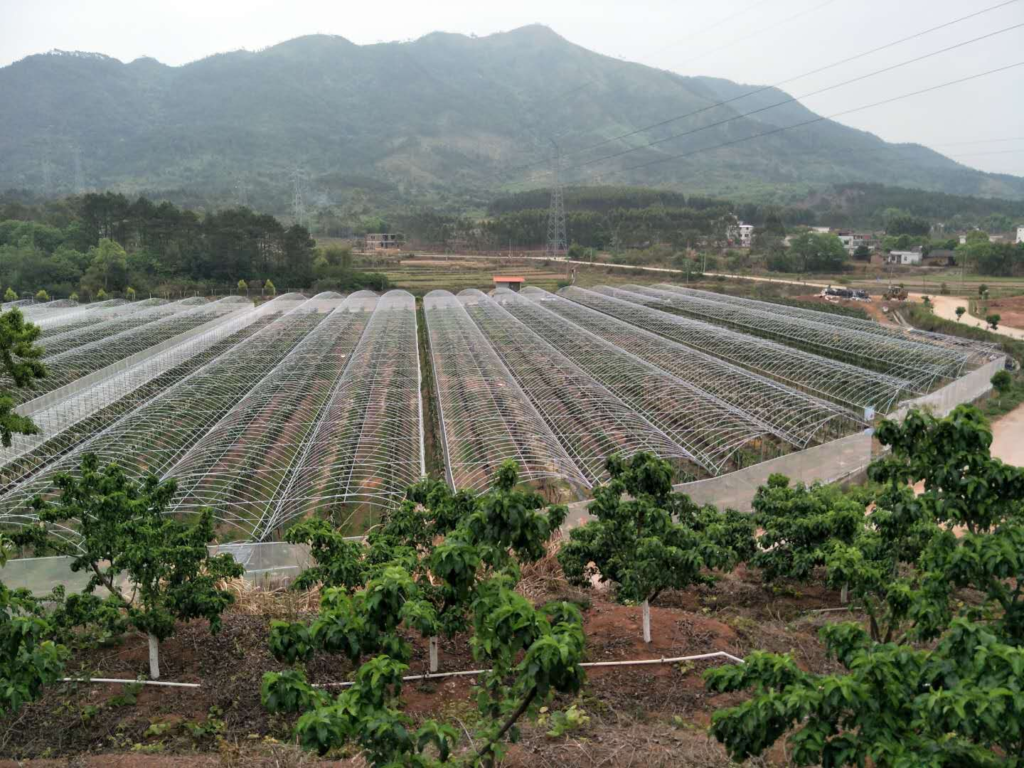
The multi-span film greenhouse features an arch-type structure. The roof and surrounding walls are covered with imported PEP high-transparency film. This design provides large spans, excellent light transmission, and effective ventilation, creating a more spacious interior environment for infrastructure installation and smooth personnel movement.
Service Support
- Greenhouse Design & Engineering
- Greenhouse Manufacturing
- System Supply & Integration
- Installation Guidance & Technical Support
What can I get?
Please leave your contact email, and one of our professional greenhouse engineers will reach out to you within 24 hours.
A Multi-Span Film Greenhouse is one of the most widely adopted greenhouse structures in modern agriculture. It offers a balanced combination of cost efficiency, scalability, and environmental control, making it a popular choice for commercial growers, nurseries, and agricultural projects around the world.
This guide explains what a multi-span film greenhouse is, how it is designed, where it performs best, and what factors should be considered before selecting this structure for your project.
What Is a Multi-Span Film Greenhouse?

A Multi-Span Film Greenhouse is formed by connecting multiple single-span units side by side to create a continuous growing space. The structure is typically covered with PE or PO greenhouse film and supported by a hot-dip galvanized steel frame.
Compared with individual greenhouses, the multi-span layout provides a larger uninterrupted interior area. This allows better climate stability, improved air circulation, and easier installation of irrigation, shading, and cooling systems.
Because of its modular nature, this type of greenhouse can be customized in width, length, and height according to crop requirements and land conditions.
Structural Design and Materials
The frame of a multi-span film greenhouse is usually based on arch or Gothic-style structures. These shapes are designed to improve load-bearing capacity and facilitate water drainage.
All main structural components are prefabricated and hot-dip galvanized to ensure corrosion resistance and long-term durability. Column spacing, arch distance, and span width are calculated to balance strength, material usage, and cost efficiency.
The covering material plays a critical role in performance. High-transparency film maximizes natural light transmission, while UV-stabilized layers extend service life. In areas requiring higher durability, polycarbonate sheets are often used for doors or gable sections.
Ventilation and Climate Control

Ventilation is one of the key advantages of a multi-span film greenhouse. Common configurations include roof vents, side roll-up vents, or sawtooth roof ventilation systems. These features allow warm air to escape naturally and fresh air to enter, reducing heat buildup without excessive energy consumption.
For regions with high temperatures or intensive production needs, additional systems such as exhaust fans, cooling pads, and internal circulation fans can be integrated. These systems help maintain stable temperature and humidity levels throughout the greenhouse.
Shading systems, either internal or external, are often installed to regulate light intensity and prevent crop stress during peak sunlight hours.
Multi-Span Film Greenhouse vs. Single-Span Film Greenhouse
A Single-Span Film Greenhouse is typically used for small-scale or seasonal planting. It has a simple structure, lower initial investment, and is easy to install, making it suitable for individual growers or trial cultivation.
A Multi-Span Film Greenhouse, on the other hand, connects multiple spans into one continuous structure. This provides a larger interior space, more stable temperature distribution, and better air circulation. It also allows centralized management of ventilation, shading, and cooling systems.
In general, single-span greenhouses focus on simplicity and flexibility, while multi-span greenhouses are better suited for commercial production and long-term operation.
Key Performance Characteristics
A properly designed multi-span film greenhouse is engineered to meet specific environmental and structural requirements. Typical performance considerations include wind load resistance, crop load capacity, and rainwater drainage efficiency.
Structural parameters such as column spacing and arch distance are carefully calculated to ensure safety while minimizing material costs. When correctly designed, these greenhouses can operate reliably under continuous production conditions.
Typical Applications

Multi-span film greenhouses are widely used in various agricultural sectors, including:
Vegetable cultivation such as tomatoes, cucumbers, peppers, and leafy greens
Seedling and nursery production
Flower and ornamental plant growing
Agricultural research and demonstration projects
The open interior layout makes it easy to install planting systems, irrigation lines, and automation equipment.
Installation and Maintenance
Thanks to their modular design, multi-span film greenhouses are relatively easy to install. Most structures are assembled using bolted connections rather than on-site welding, which improves installation efficiency and consistency.
Maintenance mainly involves checking film tension, ventilation components, and drainage systems. Greenhouse film is typically replaced every few years depending on climate conditions, while the steel structure can last much longer with minimal maintenance.

Advantages Compared with Other Greenhouse Types
Compared with glass or polycarbonate greenhouses, multi-span film greenhouses require lower initial investment and shorter construction time. They also offer greater flexibility for expansion or modification as production needs change.
This combination of affordability and performance makes them an attractive option for growers who want to scale production without excessive financial risk.
Choosing the Right Multi-Span Film Greenhouse
Before selecting a multi-span film greenhouse, it is important to consider local climate conditions, crop type, production goals, and future expansion plans. Structural design, ventilation layout, and system configuration should be tailored to the specific project rather than using a one-size-fits-all solution.
Working with an experienced manufacturer or greenhouse solution provider helps ensure long-term reliability and operational efficiency.
Final Thoughts
A Multi-Span Film Greenhouse is a proven and practical solution for modern agriculture. When properly designed and installed, it offers efficient space utilization, stable growing conditions, and strong cost performance.
For growers and project developers looking for scalability and long-term value, this greenhouse type remains one of the most reliable choices available.
Other Multi Span Greenhouse articles
Technical Parameters
Span: 8 m, Bay width: 4 m
Eave height: 3–4.5 m; Ridge height: 4.8–6.3 m; External shading height: 5.6–7.1 m
Side column spacing: 2 m; Arch spacing: 1.33 m
Performance Specifications
Wind load capacity: 0.56 kN/m² (equivalent to Beaufort scale 11)
Crop load: 15 kg/m²
Maximum rainfall drainage capacity: 140 mm/h
Standard Configuration
Greenhouse civil works: foundation, surrounding brick walls, and drainage channels
Main steel structure: prefabricated, hot-dip galvanized for corrosion protection
Covering materials: 5 mm PC polycarbonate sheets for doors; 0.15 mm plastic film for other areas
Roof vents: motorized roll-up film vents, 1.5 m opening on each side per unit
Side vents: manual roll-up film system with a roll-up height of approximately 2.5 m
External shading system: motorized rack-and-pinion drive mechanism
Cooling system: cooling pad and exhaust fan system, with internal circulation fans
Key Features
The greenhouse frame adopts a double-arch continuous structure using specialized profiles, resulting in a compact structure and a clean, uniform appearance.
Motorized roof roll-up vents are installed at the top, with 1.5 m openings on both sides of each bay. Side roll-up film vents with a height of 2.5 m are arranged around the perimeter, ensuring effective air exchange and excellent natural ventilation and cooling with low operating costs.
An external movable shading system allows flexible adjustment of light intensity and internal temperature.
Hot-dip galvanized steel components provide strong corrosion resistance and long-term durability.
1. What is the main advantage of a multi-span film greenhouse?
Its connected structure provides a larger interior space, better air circulation, and more stable climate control compared with single-span greenhouses.
2. What crops are suitable for a multi-span film greenhouse?
It is commonly used for vegetables, seedlings, flowers, and other commercial crops that require controlled growing conditions.
3. How long does the greenhouse film last?
High-quality greenhouse film typically lasts 2–4 years, depending on UV exposure, climate, and maintenance.
4. Can ventilation and cooling systems be integrated?
Yes. Multi-span film greenhouses support roof vents, side vents, shading systems, exhaust fans, and cooling pad systems.
5. Is a multi-span film greenhouse suitable for large-scale production?
Yes. It is designed for commercial and industrial-scale farming where centralized management and efficient space utilization are required.

2025-03-15
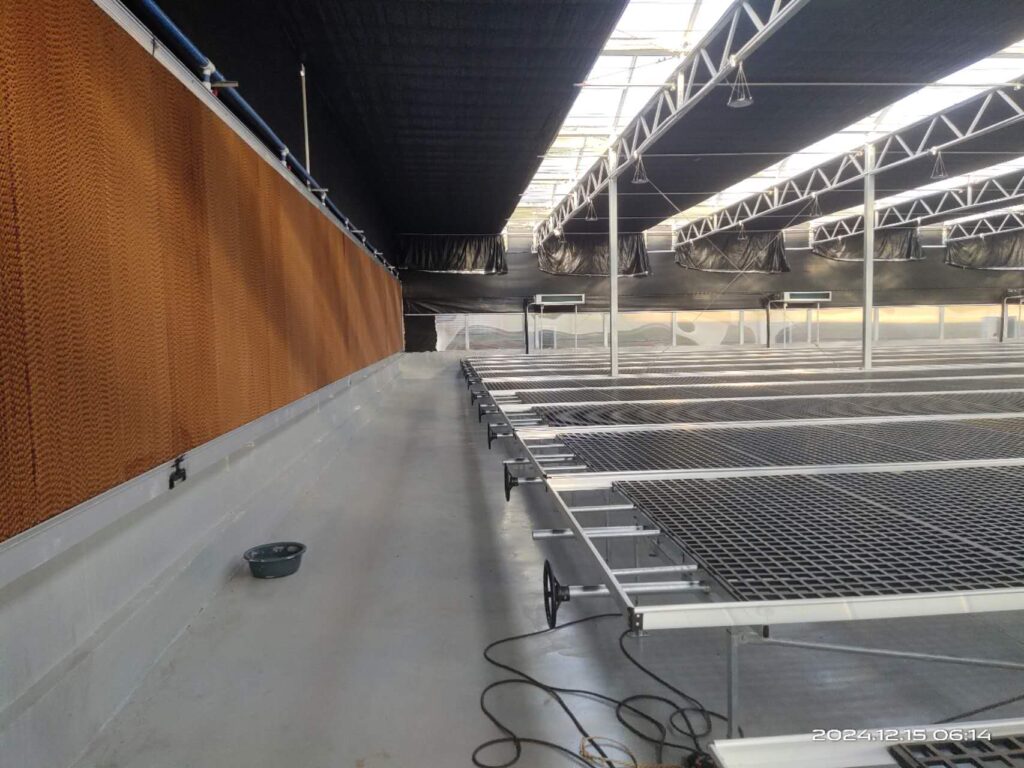
FANGCHENG’s PC greenhouse has been a great investment for us. The structure is strong, the climate is stable, and our crops grow better than before. We no longer worry about wind or constant repairs. Excellent installation and support—highly recommended.
2025-02-08
FANGCHENG’s greenhouse has greatly improved the stability of our hydroponic system. Temperature and humidity are much easier to control, and our vegetables grow faster and more uniformly. The structure is clean, well-designed, and perfect for hydroponic production. We’re very satisfied with the performance and support.


2024-06-20
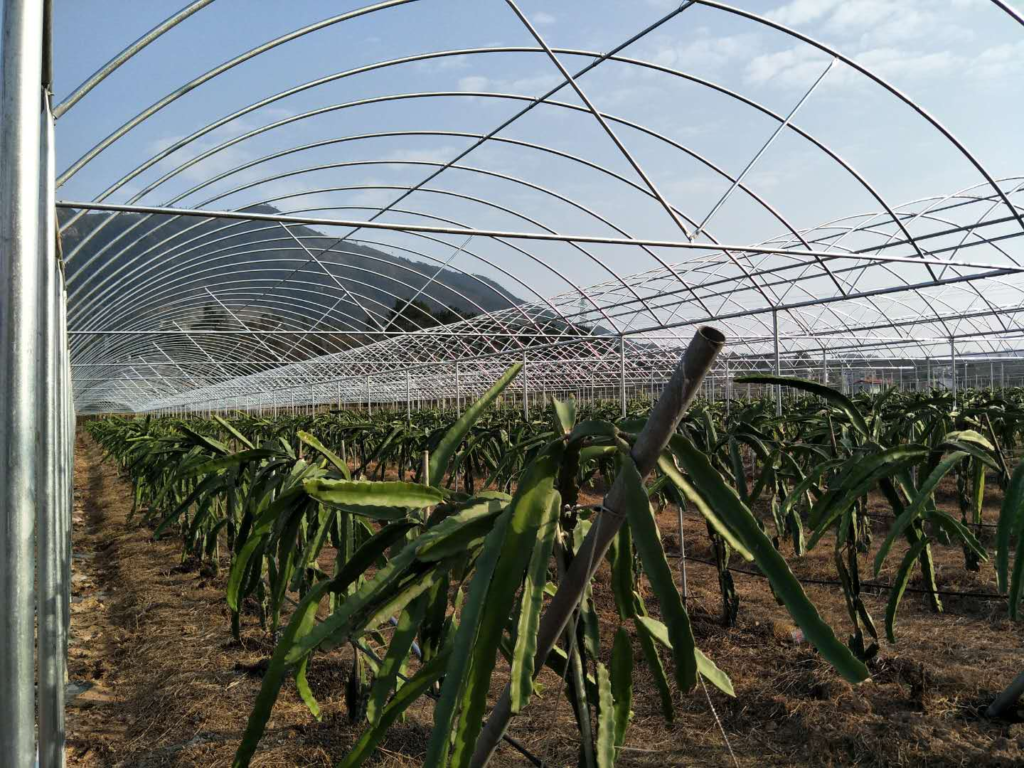
The multi-span greenhouse from FANGCHENG has made our dragon fruit production much more stable. Temperature and humidity are easier to manage, flowering is more consistent, and fruit quality has clearly improved. The structure handles local weather well, and overall, it has been a reliable upgrade for our plantation.

2024-05-25
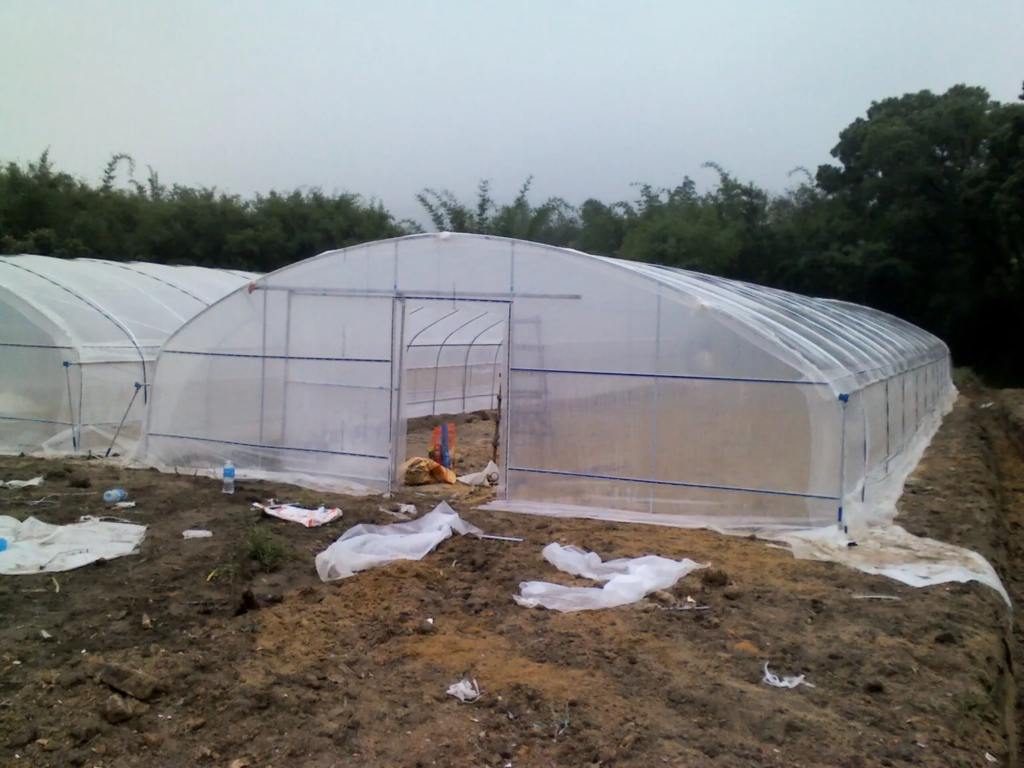
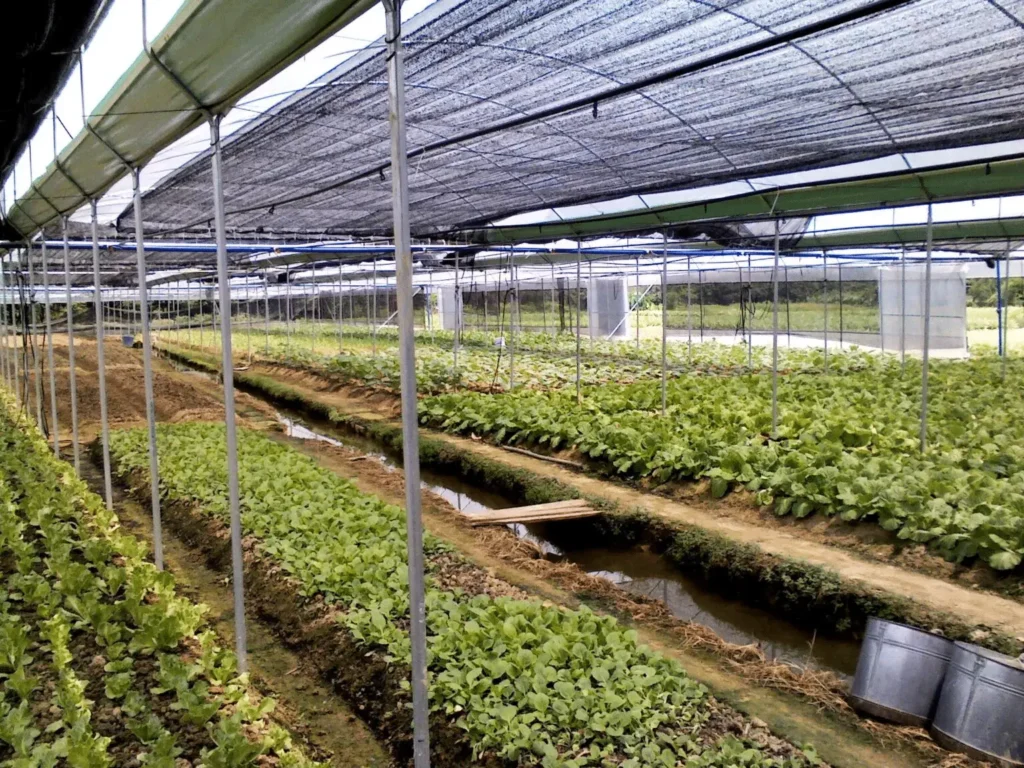
FANGCHENG’s single-span greenhouse has made our vegetable production much more stable. Temperature and ventilation are easier to control, and our crops grow more uniformly than before. The structure is strong, simple to manage, and a clear improvement over our old setup. We’re very satisfied with the results.

rapid response
Interested in the product? Fill out the form now to get more information.