Introduction: Growing Plants Without Soil
Many traditional farmers face major risks from bad weather and poor soil quality. A hydroponic greenhouse system solves these problems. By growing plants without soil and controlling the weather inside, this setup helps you harvest high-quality crops all year round.
What is a Hydroponic Greenhouse System
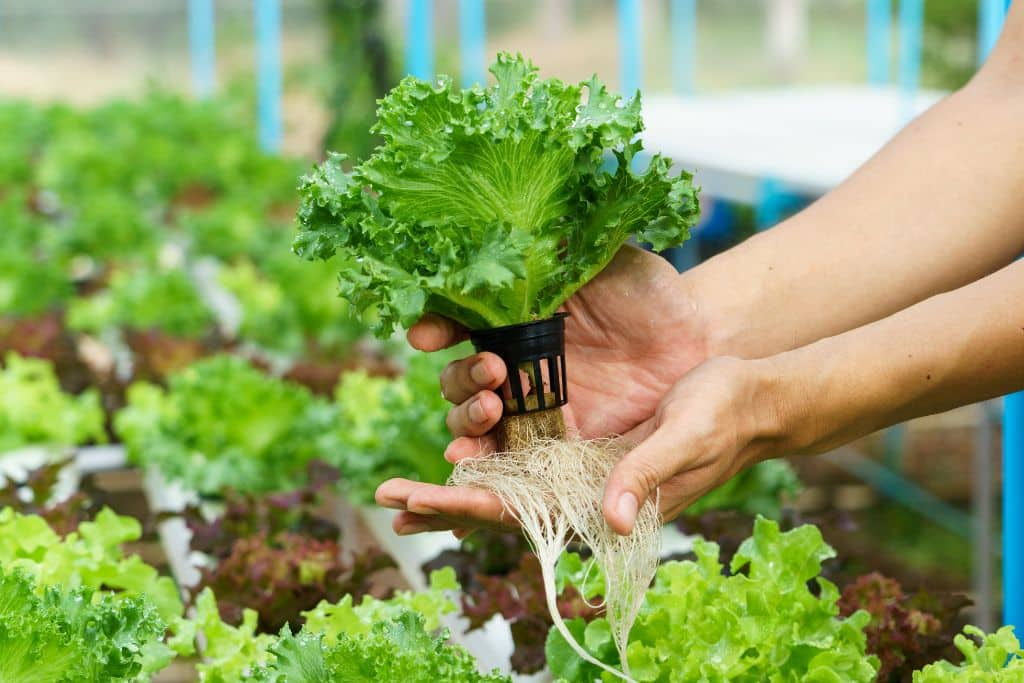
A hydroponic greenhouse system is a smart way to grow plants inside a protected building without using any soil. Instead of soil, plants sit in clean materials like rockwool or coco coir. Their roots get water and food directly from a special liquid nutrient mix.
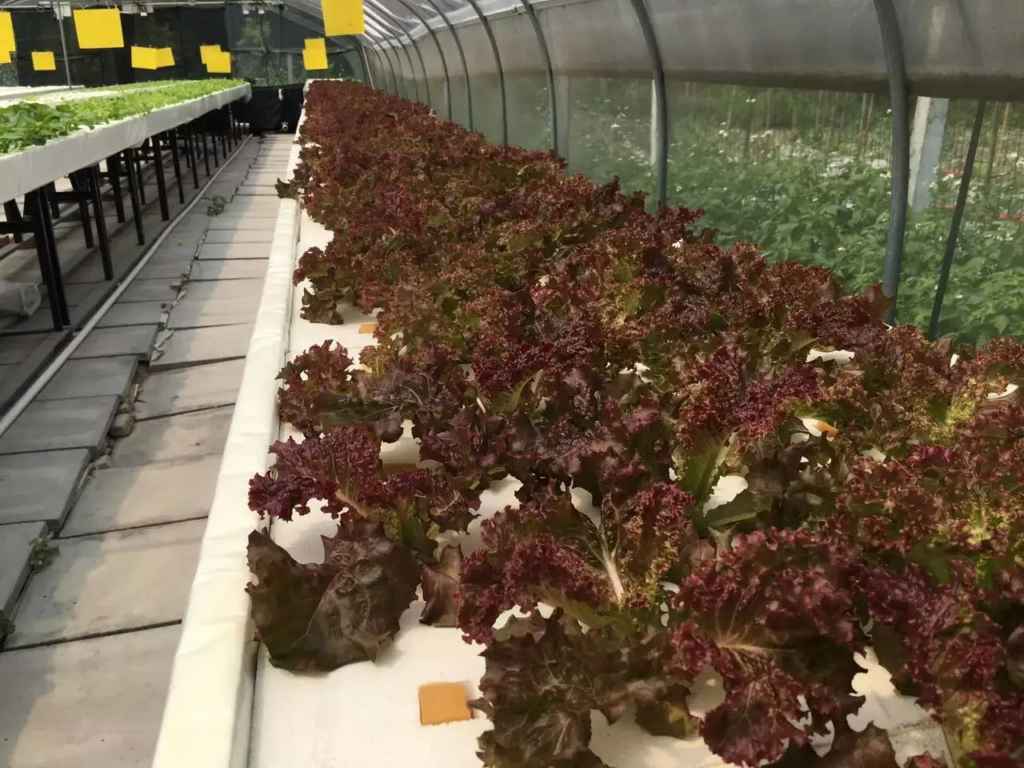
The greenhouse walls and roof protect the plants from bugs, strong winds, and heavy rain. Inside, the hydroponic pipes deliver the exact amount of water, food, and oxygen the roots need. This teamwork helps plants grow much faster and gives you more crops in less space.
Key Benefits of Commercial Hydroponic Greenhouses
Switching from standard farming to a hydroponic greenhouse brings great rewards. You can save resources and grow healthier plants very quickly:
- Huge Water Savings: The system pumps the same water around and around, using up to 90% less water than outdoor dirt farms.
- Faster Plant Growth: Because plants get perfect food and climate conditions, they grow 25% to 30% faster.
- Better Use of Space: You can grow plants closer together or stack them on shelves to get more crops out of your land.
- No Soil Troubles: Since there is no dirt, you never have to waste time weeding, tilling fields, or dealing with soil diseases.
Essential Hydroponic Greenhouse Equipment
To run a successful greenhouse, you need a few core tools working together. Each tool has a specific job to keep your plants alive and healthy:
- Growing Channels and Rafts: Leafy greens and lettuce grow best in long plastic water channels or floating foam boards. Heavy plants like tomatoes and cucumbers grow better in individual plastic buckets filled with clay pebbles.
- Weather and Climate Tools: To keep the air comfortable, greenhouses use large exhaust fans, wet cooling pads, overhead shade nets, and heaters.
- Automated Feeding Systems: Plants need steady nutrition. Automated controllers look at the water quality and use small pumps to add liquid plant food whenever it is needed.
Step-by-Step Hydroponic Greenhouse Setup
Building a hydroponic facility requires careful planning. Follow these basic steps to design your setup safely:
- Pick a Sunny Spot: Choose flat land that gets plenty of sunlight and has easy access to clean water and electricity.
- Plan Your Plumbing: Decide if your water loop will reuse the runoff water or drain it away. Reusing water saves money but requires good filters to keep it clean.
- Choose Your Root Support: Get high-quality soil substitutes like rockwool blocks or coco coir plugs to give your plant roots a safe home.
Maximizing ROI and Managing Operational Costs
Starting a high-tech greenhouse requires some upfront money, but it saves you money over time. Fast harvests help you earn back your investment quickly.
Most of your starting budget goes toward building the greenhouse structure and buying the watering systems. However, automated machines handle the daily feeding, which means you do not have to spend much on heavy daily labor. To make the most money, focus on high-value crops that grow fast, such as fresh herbs, crisp lettuce, juicy vine tomatoes, and sweet strawberries.
Conclusion: Your Path to Smart Farming
A hydroponic greenhouse is a fantastic investment for stable, modern farming. By moving away from unpredictable outdoor weather and poor soil, you turn farming into a reliable, step-by-step process. Success comes from setting up your tools correctly and picking the right crops for your local market.