 跳至内容
跳至内容 
Greenhouse automation has evolved from simple timer-based controls to sophisticated AI-driven systems that optimize every aspect of the growing environment. The right automation system improves crop quality, reduces energy consumption, and lowers labor costs.
Why Automate?
Automation addresses the three biggest greenhouse challenges: labor availability and cost (greenhouse labor is 30-40% of operating cost), environmental precision (consistent conditions improve quality), and energy efficiency (automated systems reduce energy use 15-30%). The DOE energy efficiency programs recognize agricultural automation as a key energy-saving technology.
Environmental Sensors
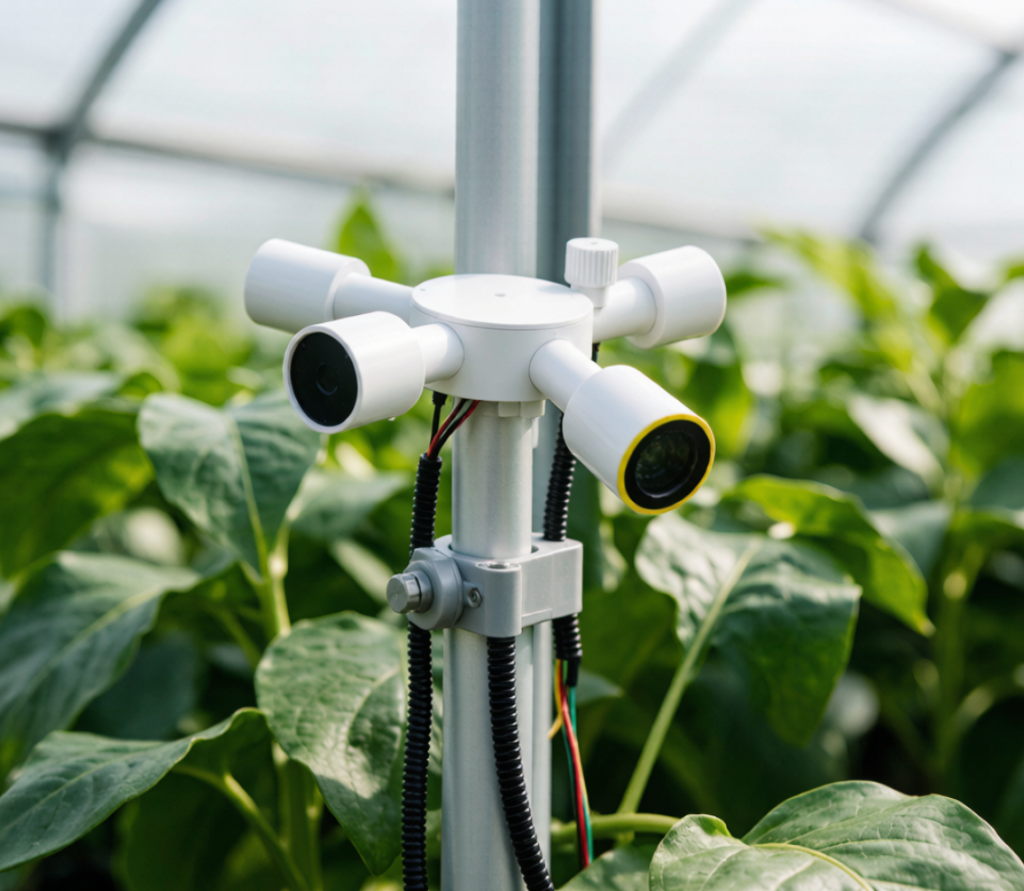
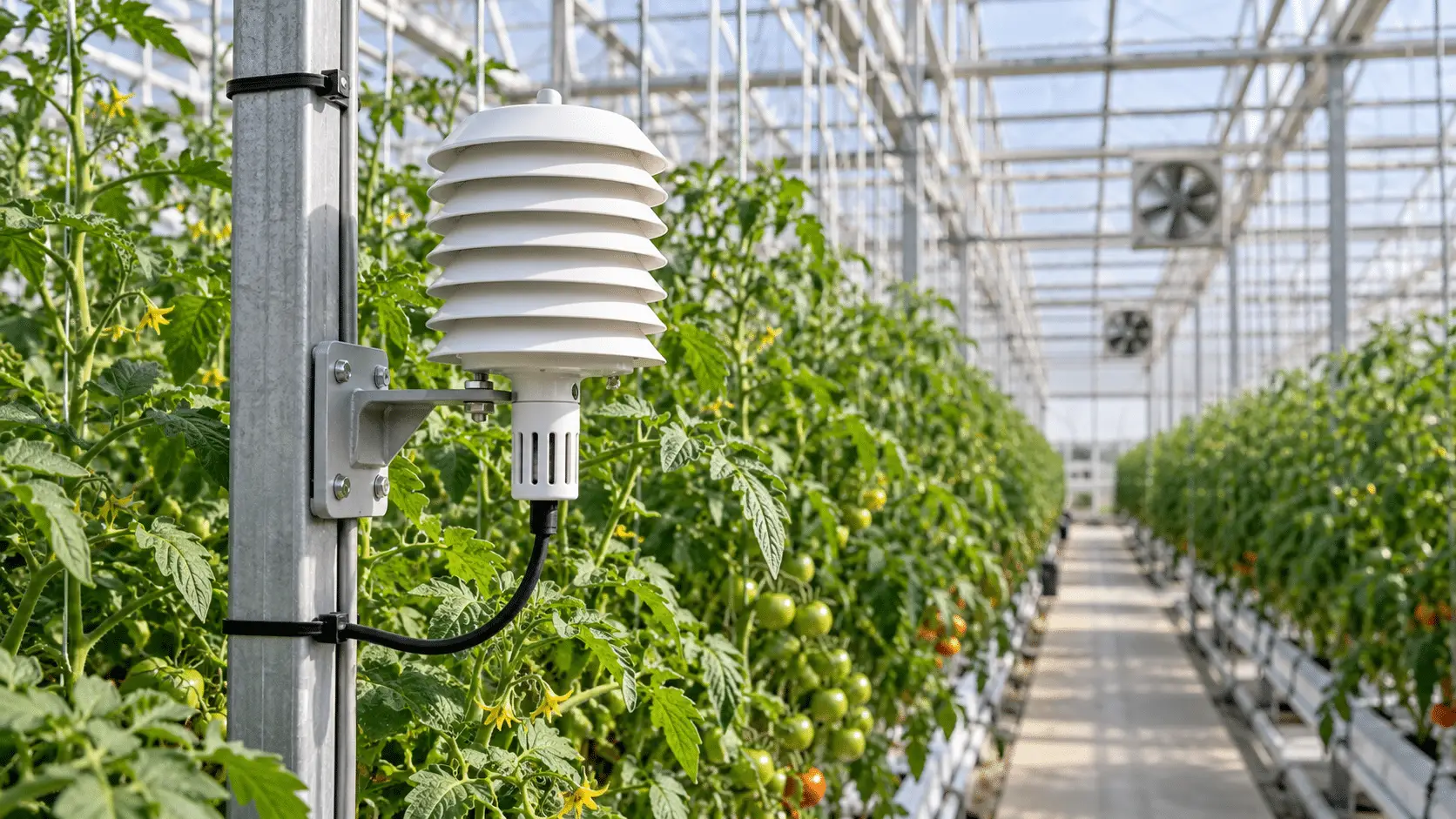
Foundation of automation: Accurate sensors are essential. Key sensor types: Temperature/humidity (aspirated radiation shields), light (PAR/PPFD sensors), CO2 (NDIR sensors), wind speed/direction, rain detection, soil moisture, and substrate EC/pH. Sensor placement is critical — sensors should be at plant canopy level, not at bench height.
Climate Controllers
Modern greenhouse controllers integrate sensor data with automated equipment: ventilation (ridge vents, side vents, exhaust fans), heating (boiler/unit heater control, radiant loops), cooling (fan & pad activation, shade curtain, fog systems), CO2 enrichment, and humidity control (fog, dehumidification). Step controllers manage basic on/off equipment. PID controllers provide proportional modulation.
Irrigation Automation
Automated irrigation: timer-based (simple but inflexible), radiation-based (irrigate based on cumulative solar radiation — most accurate), weight-based (measure pot weight to determine water content), or substrate moisture sensor-based.
Lighting Control
Automated supplemental lighting controls: photoperiod control (lights on/off at specific times), DLI-based (target daily light integral), and dynamic dimming (adjust intensity based on ambient light). Lighting automation saves 15-40% energy vs manual control.
Software & Analytics
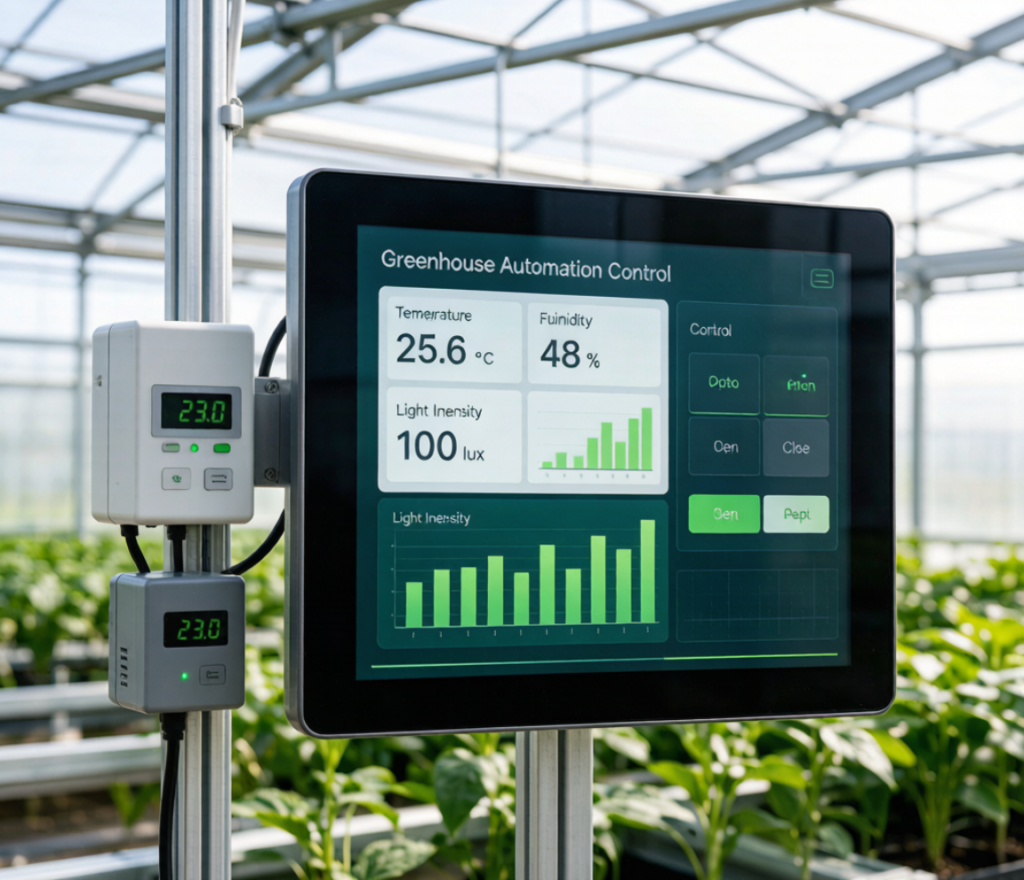
Modern greenhouse automation software provides: real-time monitoring dashboards, historical trend analysis, alarm/alert systems (SMS, email), remote access (smartphone/tablet), data logging for compliance, and AI-powered predictive control.
ROI & Payback
| Automation Type | Typical Cost | Annual Savings | Payback |
|---|---|---|---|
| Climate controller (step) | $2,000-5,000 | $500-2,000 | 2-4 years |
| PID climate controller | $5,000-15,000 | $2,000-5,000 | 3-5 years |
| Full integrated system | $15,000-50,000 | $5,000-20,000 | 3-5 years |
| AI predictive system | $30,000-100,000+ | $15,000-40,000 | 2-4 years |
Automation Levels
Level 1 — Basic: Individual timer controls for lights, irrigation, ventilation. Level 2 — Integrated: Central controller manages multiple systems with sensor feedback. Level 3 — Optimized: Software analyzes data and adjusts setpoints automatically. Level 4 — Predictive AI: Machine learning predicts conditions and adjusts proactively.
System Integration
Fully integrated automation connects: climate control + irrigation + lighting + CO2 + shade + energy curtains + crop monitoring. Integration requires compatible protocols (Modbus, BACnet, proprietary). Cloud-connected systems enable data analysis across multiple greenhouses and growing seasons.
Fangcheng Automation Solutions
Upgrade your greenhouse with smart automation from Fangcheng. We provide complete automation solutions from basic step controllers to full AI-integrated climate management systems. Compatible with our greenhouse structures, irrigation, heating, and cooling systems. Retrofit-friendly for existing greenhouses.
FAQ
How much does greenhouse automation cost?
$2,000-50,000+ depending on system complexity. Basic controller: $2,000-5,000. Full integrated: $15,000-50,000. AI system: $30,000+.
What should I automate first?
Climate control (temperature/ventilation) first — it affects crop quality most. Then irrigation, then lighting. Add analytics later.
Can I retrofit automation to an existing greenhouse?
Yes — most automation systems are designed for retrofit. Sensors, controllers, and actuators can be added to existing equipment.
What is the ROI of greenhouse automation?
Typical payback 2-5 years. Savings come from reduced energy (15-30%), lower labor, and improved crop quality/yield.
Do I need special training to use automation?
Basic systems are user-friendly. Advanced AI systems require some training, but manufacturers provide setup and training support.
Conclusion
Greenhouse automation is an investment that pays for itself through energy savings, labor reduction, and improved crop quality. Starting with climate control automation and adding systems incrementally is a practical approach. Modern cloud-connected systems provide unprecedented insight into greenhouse performance and enable continuous optimization.
 Blog
Blog Blog
Blog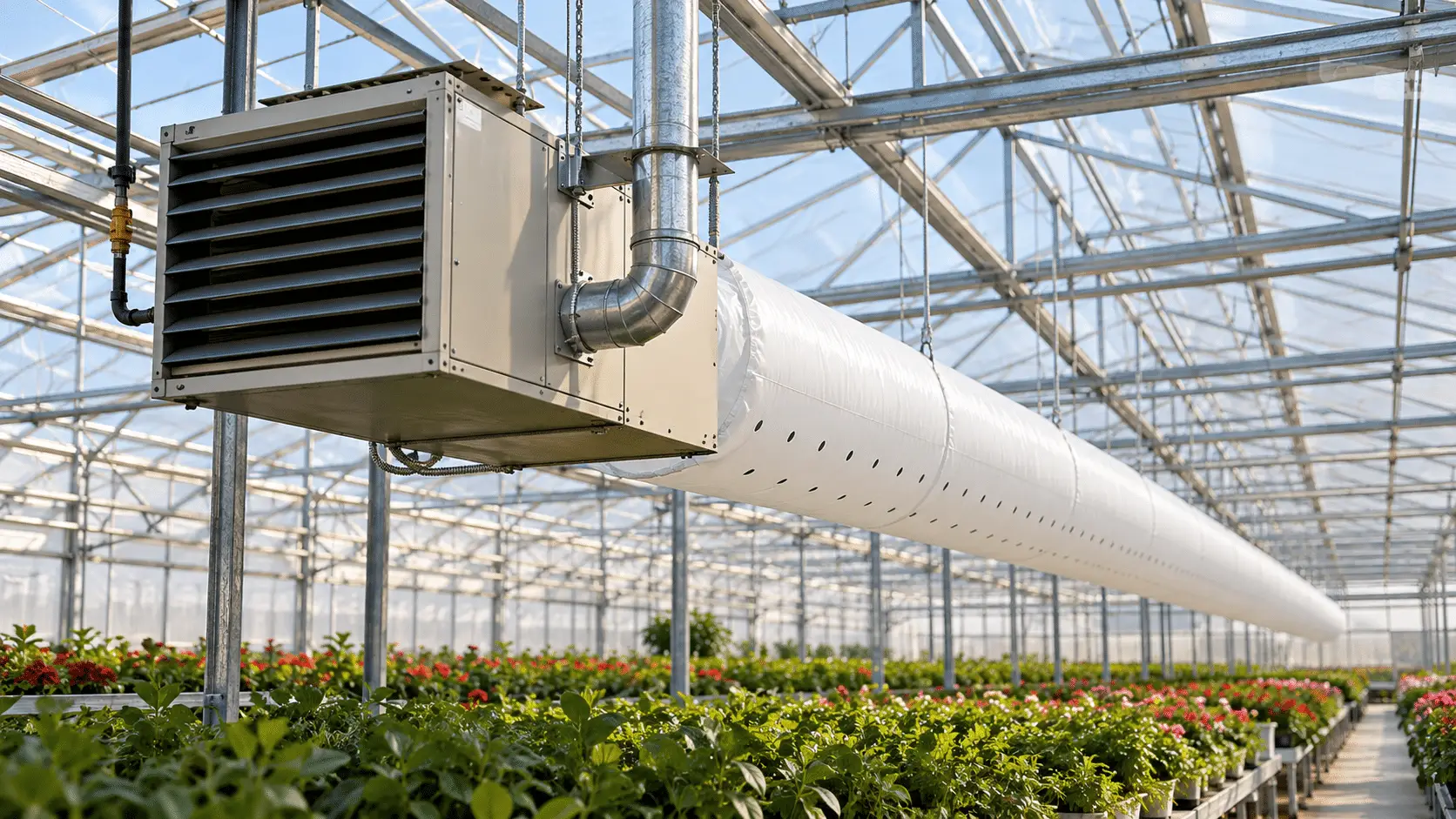 Blog
Blog