Table of Contents
If you’re building your first greenhouse project, here’s the direct answer: for most beginners, film greenhouses are the most practical starting point because they offer lower investment, easier expansion, and solid commercial ROI. Glass and polycarbonate can be better choices in specific situations, but only if the project actually requires them.
The biggest mistake first-time buyers make is assuming the “better” structure is the one with the highest specs. In reality, the right greenhouse is the one that fits your crop, climate, and business model.
Start With What You Plan to Grow
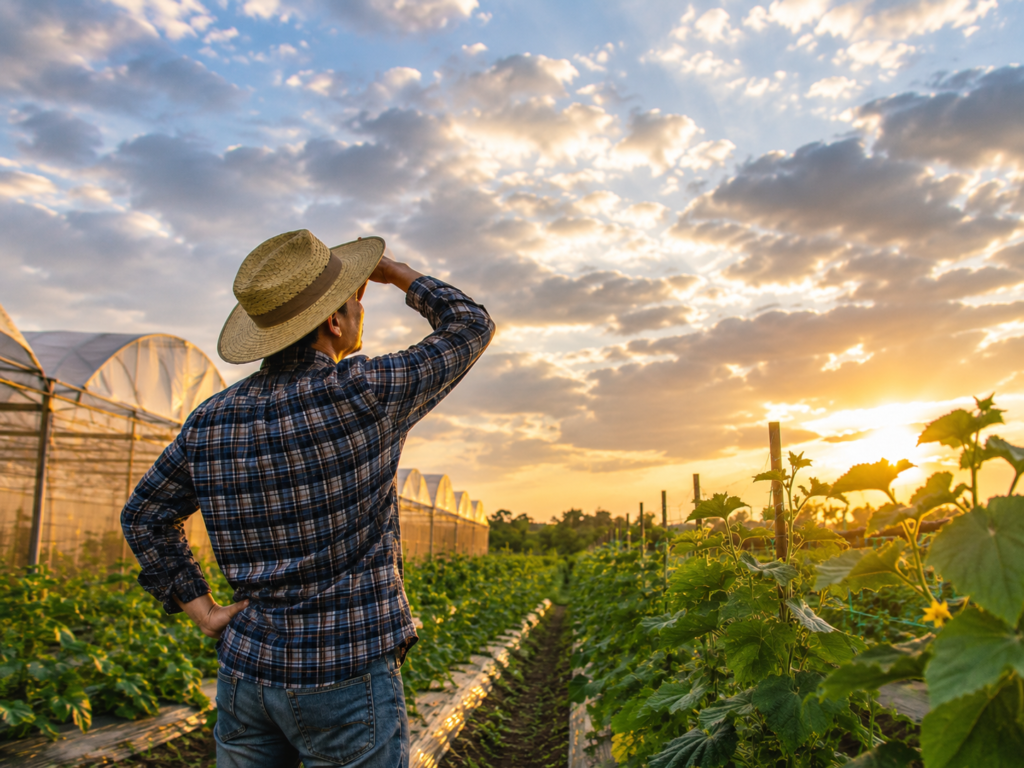
Your crop should decide the structure—not the other way around.
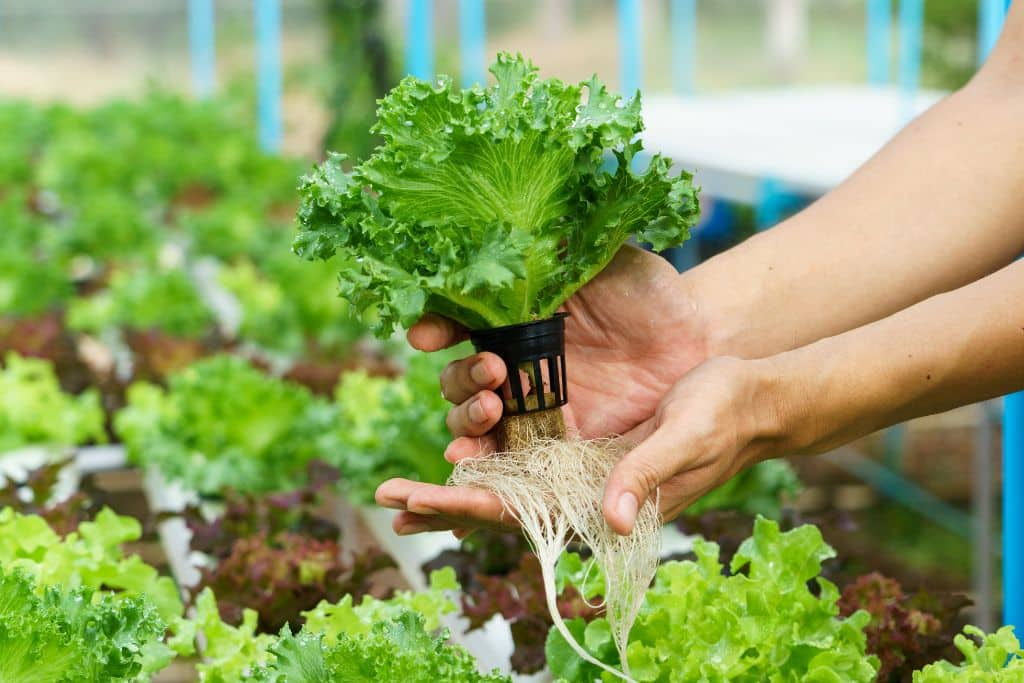
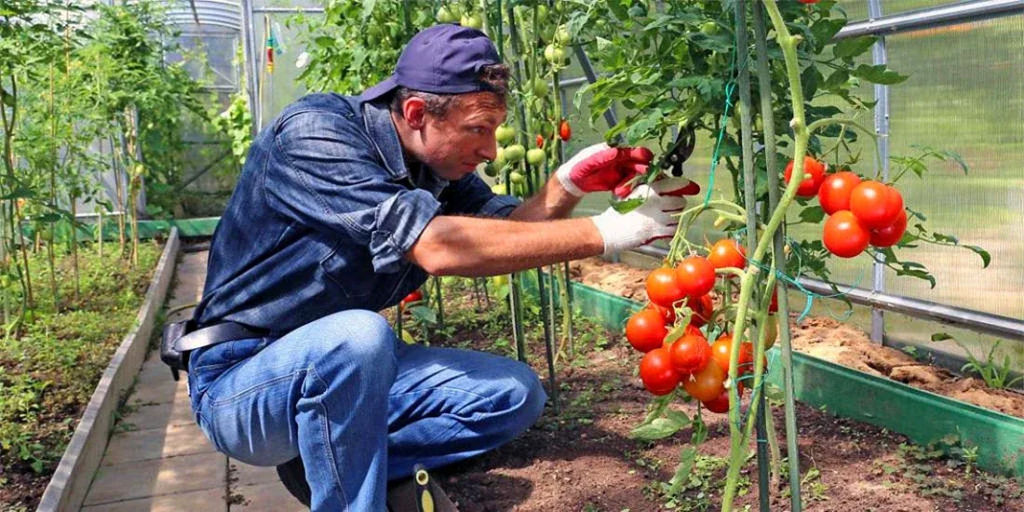
Different crops create very different greenhouse requirements. Tomatoes need strong ventilation and scalable layouts. Nursery projects need environmental stability. Hydroponic leafy greens usually require tighter climate control and automation.
If you’re planning commercial vegetable production, looking at a real setup like a tomato greenhouse will give you a much clearer direction than comparing glass vs polycarbonate too early.
Choose Based on Climate First
Your local climate will eliminate unsuitable options quickly.
If you’re in a hot climate, prioritize airflow, cooling, and humidity control. A premium structure without proper environmental management will still struggle operationally. In many cases, a properly designed greenhouse cooling system matters more than upgrading to a more expensive enclosure material.
If you’re in a cold climate, prioritize insulation, heating efficiency, and snow load capacity. In these environments, thermal performance directly affects monthly operating cost.
Simple rule:
- Hot climate → focus on cooling
- Cold climate → focus on insulation
- Mild climate → prioritize ROI and scalability
Budget: What Should You Expect?
If budget is a major factor, here’s a practical reference:
- Film greenhouse: around USD $15–50/m²
- Polycarbonate greenhouse: around USD $40–100/m²
- Glass greenhouse: around USD $80–200+/m²
These are rough structure-level estimates. Full systems such as irrigation, cooling, heating, shading, and automation will increase total investment.
For a first-time commercial project, many buyers underestimate this. A greenhouse is not just the shell—it’s the operating environment.
Film Greenhouse: Best for Most First-Time Commercial Projects
If your priority is cost control and expansion flexibility, film greenhouse is usually the strongest option.
A multi-span film greenhouse works particularly well for commercial vegetable production because it keeps upfront investment manageable while supporting larger growing areas.
Best for:
- first-time commercial growers
- vegetable farming
- budget-sensitive projects
- expansion-focused operations
The tradeoff is lower insulation compared with rigid structures, which matters more in colder climates.
Glass Greenhouse: Best for High-Control Projects
If your project requires premium environmental precision, glass becomes more relevant.
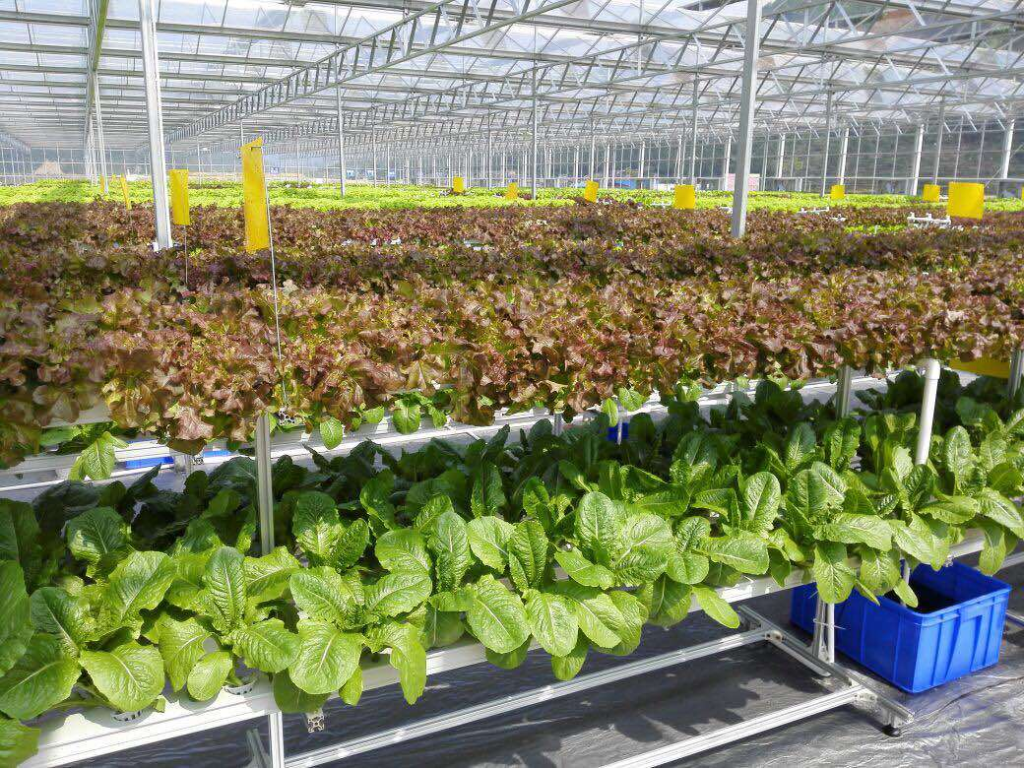
A glass greenhouse is often used for hydroponics, research, and high-value crops where light transmission and long-term infrastructure matter.
Best for:
- hydroponics
- research facilities
- premium horticulture
- precision-controlled growing
The tradeoff is significantly higher capital cost and more complex construction.
Polycarbonate Greenhouse: Best for Balanced Performance
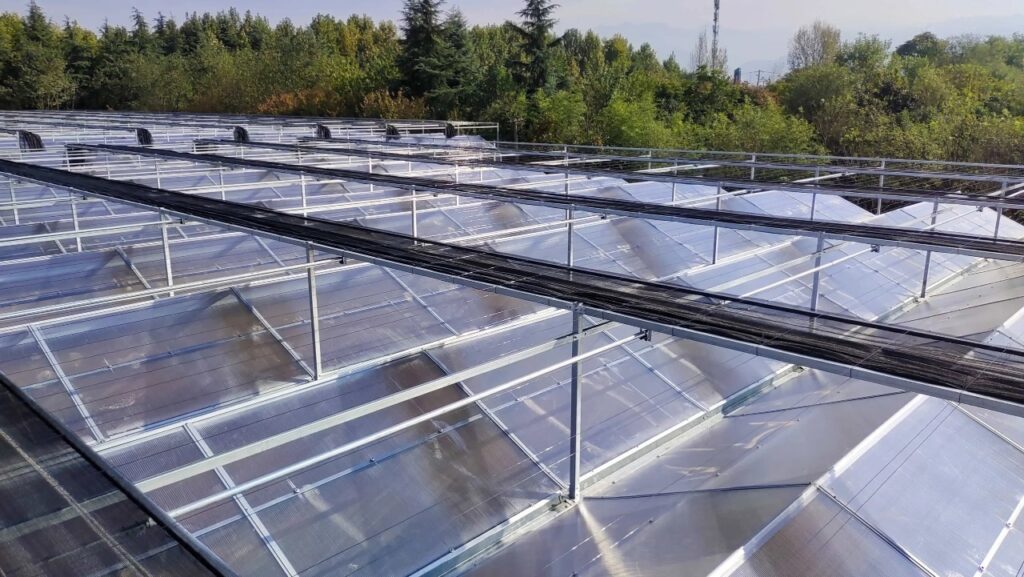
If you want better insulation than film without moving into full glass-level investment, polycarbonate is often the practical middle ground.
A polycarbonate greenhouse is especially relevant in colder regions where heating efficiency matters.
Best for:
- colder climates
- growers prioritizing insulation
- projects needing balanced performance
Don’t Judge the Project by Structure Alone
A greenhouse project succeeds because of systems, not just structure.
Even the right greenhouse will underperform without proper planning for:
- ventilation
- cooling
- irrigation
- heating
- automation
This is where many first-time buyers go wrong. They spend heavily on the structure, then reduce system budgets to control cost.
Final Recommendation
If you’re a first-time commercial grower, film greenhouse is usually the safest and most practical starting point.
If your project requires advanced environmental precision and long-term infrastructure investment, glass may make sense.
If you operate in colder climates and need stronger insulation, polycarbonate is often the smarter compromise.
The best greenhouse is not the most expensive one. It’s the one that helps your project operate profitably.