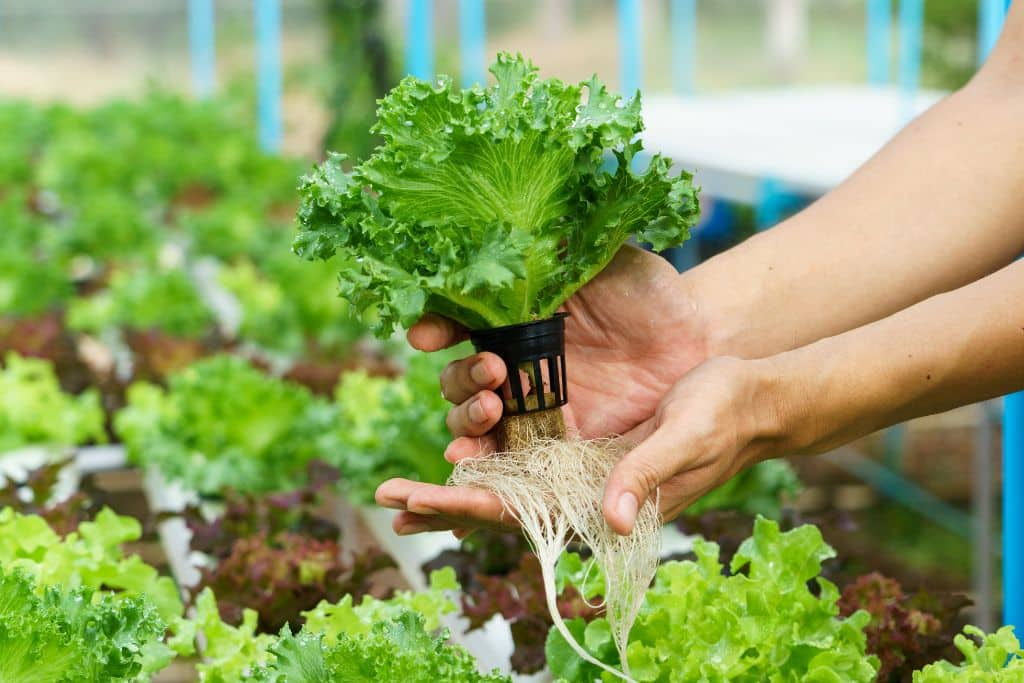
Hydroponic growing eliminates many soil-related diseases, but it introduces a different kind of risk—water-borne pathogens.
In a recirculating system, once contamination enters the water, it can spread quickly across the entire setup. This makes disease management in hydroponics less about treatment and more about controlling risk at the system level.
Why Hydroponic Systems Are More Vulnerable
Hydroponics relies on shared water and nutrient solutions. While this improves efficiency, it also creates a pathway for pathogens to move freely.
When water quality becomes unstable, temperatures rise, or root systems are stressed, the likelihood of disease increases. Once introduced, pathogens don’t stay localized—they move with the water flow.
This is why hydroponic disease is rarely an isolated issue. It’s usually a system-wide problem.
The Focus Should Be System Control, Not Treatment
Many growers focus on disinfection after problems appear. In reality, the more effective approach is to reduce risk from the start.
Water quality is the first factor. Stable pH, balanced nutrients, and proper oxygen levels all contribute to root health. When these conditions fluctuate, plants become more vulnerable.
Filtration is another key part of the system. Hydroponic water should not simply circulate—it needs to be continuously managed. Removing organic buildup and reducing pathogen load helps maintain long-term stability.
Daily operation also plays a role. Surfaces, tanks, and pipelines can easily become contamination points if not properly maintained. In many cases, disease outbreaks are the result of gradual buildup rather than sudden failure.
System Design Matters More at Scale
In smaller systems, problems are often linked to inconsistent monitoring or maintenance. In larger, commercial setups, the issue is usually related to system design.
Circulation paths, filtration capacity, and overall system balance all affect how risks develop over time. If these are not properly planned, problems may not appear immediately but will eventually impact production.
A More Practical Approach: Reduce Risk at the Source
Water-borne diseases cannot be completely eliminated, but they can be significantly reduced with the right approach.
The key is not a single product or treatment method, but a stable system. Water control, filtration, and routine maintenance need to work together as one structure.
When the system is stable, disease pressure naturally decreases, and reliance on reactive solutions becomes less necessary.
Final Thoughts
In hydroponics, disease is not just a biological issue—it’s a system management issue.
Instead of focusing on how to fix problems after they occur, it is more effective to build a system that prevents them in the first place. This approach leads to more consistent performance and better long-term results.