Table of Contents
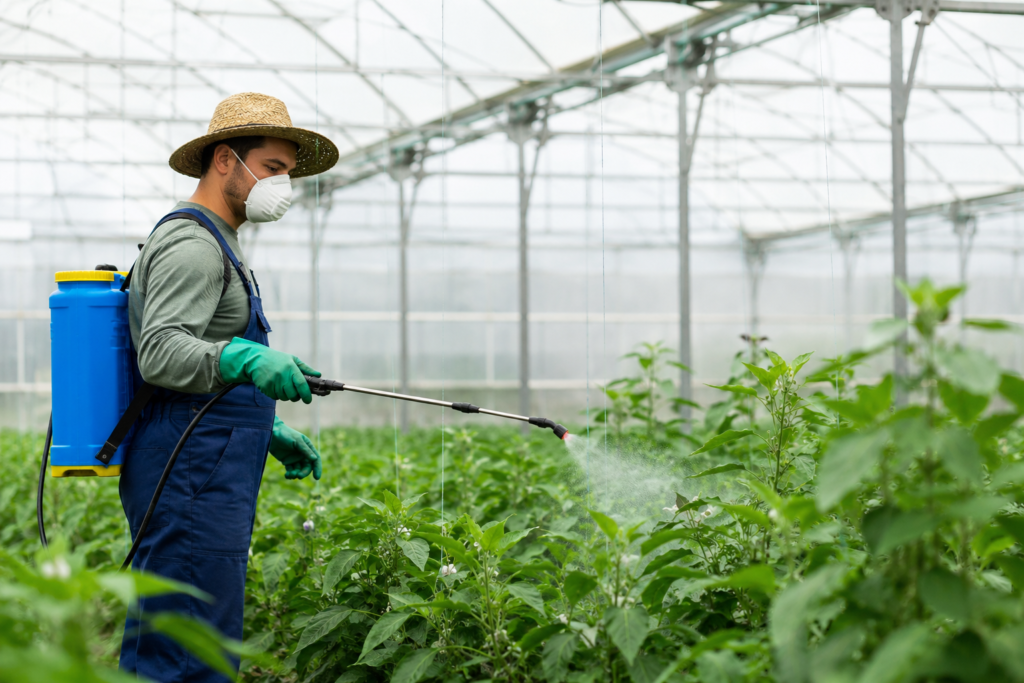
If your greenhouse pest management strategy still starts with “spray first,” costs and risks will likely keep increasing. Long-term greenhouse pest control is not about using stronger pesticides—it’s about building a stable ecological defense system that reduces pest pressure from the start.
More commercial growers are shifting toward biological control, not just because food safety standards are becoming stricter, but because heavy pesticide dependence often creates new problems: resistance, residue concerns, unstable crop quality, and rising management costs.
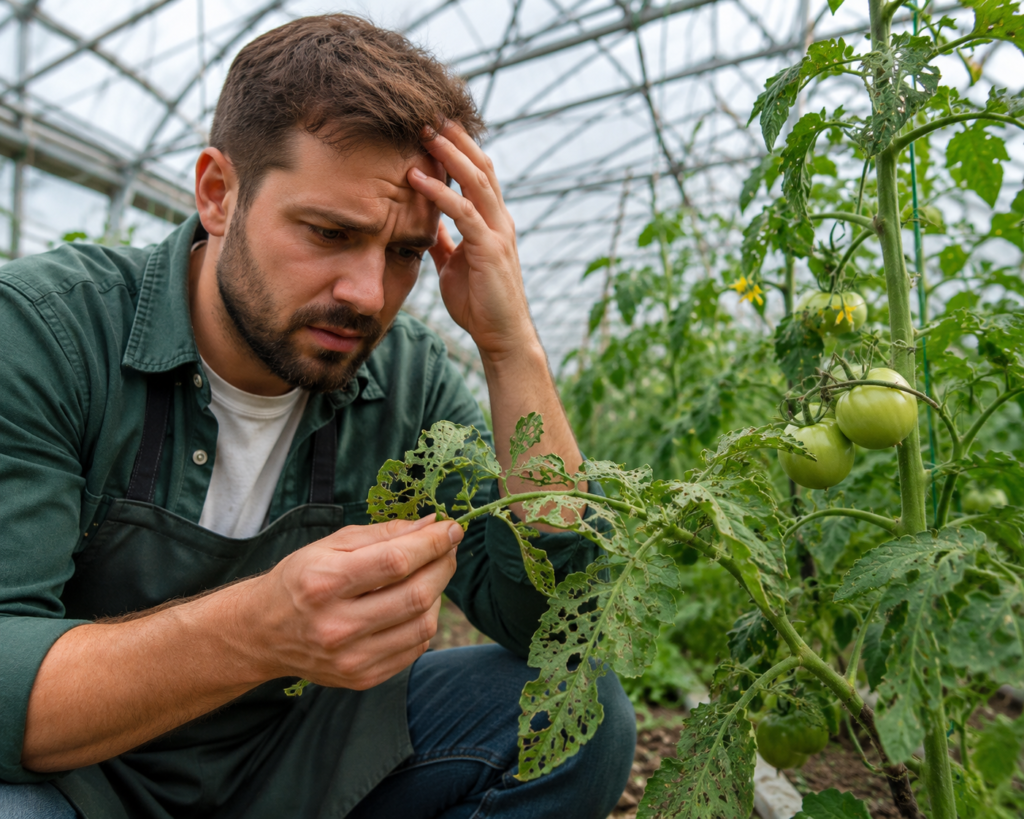
Why Chemical-Only Pest Control Becomes Less Effective
Chemical pesticides can solve immediate outbreaks, but they rarely create long-term stability.
The typical cycle looks familiar:
- pest outbreak
- pesticide application
- short-term suppression
- repeated infestation
- stronger chemical use
- increasing resistance
This is especially common in greenhouse crops like tomatoes, cucumbers, peppers, strawberries, and leafy greens.
The smarter goal is not simply killing pests faster. It is making the greenhouse environment less favorable for pest establishment.
Step 1: Physical Exclusion — Stop the Problem at the Entry Point
The first layer of biological control is prevention.
If pests cannot enter the greenhouse easily, management becomes much simpler.
Common physical exclusion methods include:
- insect-proof screens
- double-door entry zones
- air curtains
- sticky monitoring traps
- sanitation control for workers and equipment
Many greenhouse pest issues begin with external introduction. Whiteflies, thrips, and aphids often enter through ventilation openings, doors, or daily movement inside the facility.
For projects requiring tighter environmental control, a more enclosed structure such as a glass greenhouse naturally provides stronger pest exclusion advantages.
Step 2: Beneficial Insects — Let Nature Control Pest Populations
Once pests are inside, prevention alone is not enough.
This is where biological predator systems become highly effective.
Instead of relying entirely on chemical intervention, commercial growers use natural predator-prey relationships to suppress pest populations.
Common examples include:
- predatory mites for spider mites
- Encarsia formosa for whiteflies
- Orius for thrips
- Aphidius parasitoids for aphids
Timing matters here. Many biological programs fail not because beneficial insects do not work, but because they are introduced too late. Once pest populations explode, recovery becomes much harder.
Step 3: Microbial Intervention — Strengthen Disease and Pest Resistance
Biological control is not only about insects.
Greenhouse disease pressure is equally important, especially in humid production environments.
Microbial biological control commonly includes:
- Bacillus subtilis
- Trichoderma
- Bacillus thuringiensis (Bt)
- beneficial fungal biocontrol agents
These solutions may help with:
- root-zone competition
- pathogen suppression
- foliar disease prevention
- larval pest management
For growers trying to reduce pesticide residues, microbial programs often become an essential part of the strategy.
Environmental Control Is Part of Pest Management
Many growers separate environmental control from pest management. In reality, they are closely connected.
For example:
- excessive humidity increases botrytis risk
- poor airflow encourages disease spread
- hot, humid conditions accelerate whitefly pressure
This is why biological control performs best when greenhouse environmental conditions remain stable.
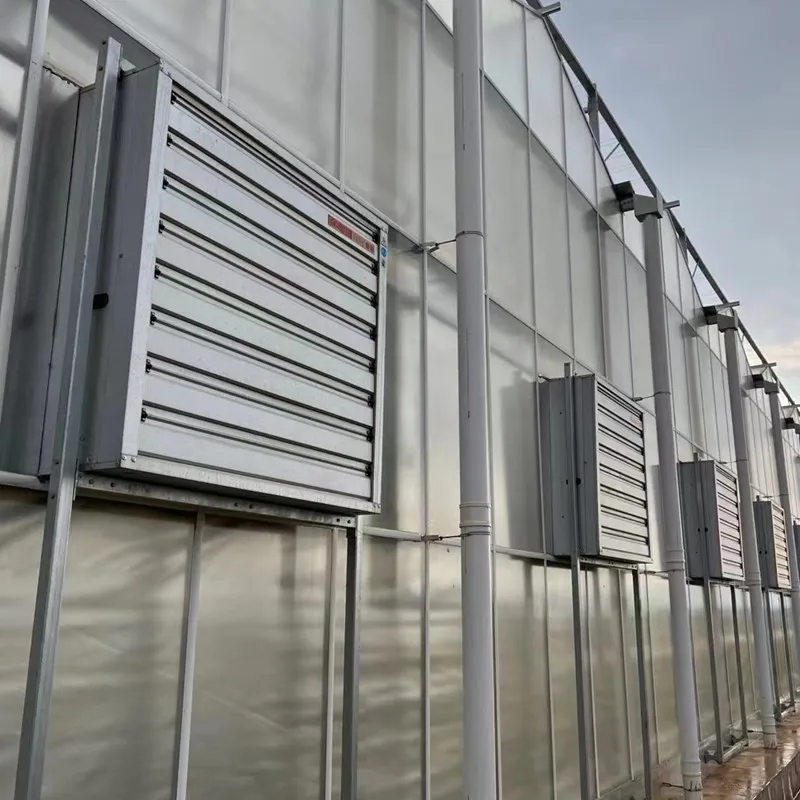
A properly planned greenhouse ventilation system is not just a climate-control investment—it directly supports pest and disease prevention.
Which Greenhouses Support Biological Control Better?
Biological control performs best in controlled environments.
If pest pressure constantly enters from outside, humidity fluctuates heavily, or ventilation is unmanaged, biological systems become less predictable.
Projects with stronger biological control success usually have:
- controlled environmental conditions
- structured ventilation management
- disciplined sanitation procedures
- stable humidity and temperature
- active pest monitoring systems
The greenhouse itself does not guarantee success, but structure and environmental design strongly influence results.
Practical Advice for First-Time Growers
If you are starting biological control for the first time, avoid overcomplicating the system.
A practical starting framework:
- strengthen physical exclusion
- monitor pest pressure early
- introduce beneficial insects preventively
- add microbial disease management
- optimize environmental conditions
Biological control does not mean “zero pesticide at all costs.” The real objective is smarter, lower-residue, more stable crop protection.
Final Thoughts
Effective greenhouse biological pest control works best as a layered strategy.
Physical exclusion reduces pest entry. Beneficial insects suppress populations. Microbial intervention manages disease pressure. Environmental control keeps the entire system stable.
This integrated approach is far more sustainable than long-term pesticide dependence—and increasingly the standard for high-quality commercial greenhouse production.