Table of Contents
A greenhouse is no longer just a place to grow plants. In modern agriculture, it is widely recognized as a key controlled environment agriculture (CEA) tool. By actively managing growing conditions, greenhouses help reduce dependence on weather, improve production stability, and make farming more predictable and commercially viable.
The following sections explain the main advantages of greenhouse production.
1. Season Extension and Year-Round Production
Season extension is one of the most important advantages of a greenhouse. By reducing exposure to outdoor climate changes, greenhouses allow growers to start planting earlier in spring and continue harvesting later into fall. In many regions, crops can even grow through winter under protected conditions.
With proper environmental control, greenhouses also support off-season production. When open-field supply is limited, greenhouse crops can enter the market and often achieve higher prices. In addition, stable growing conditions allow more production cycles each year, which increases yield per square meter and improves land-use efficiency.
2. Precise Environmental Control and Crop Protection
A greenhouse creates a stable microclimate for crop growth. Key factors such as temperature, humidity, and light can be adjusted to match specific crop requirements. Excess heat can be removed through ventilation, while heating systems maintain suitable conditions during cold periods. In hot weather, systems such as evaporative cooling help prevent overheating.
Modern greenhouse covering materials also improve light quality. Diffused light spreads more evenly across crops, reducing stress from direct sunlight and improving overall plant health. Many coverings also block harmful UV radiation.
At the same time, the greenhouse structure acts as a physical barrier. It protects crops from extreme weather, insects, and animals, reducing disease pressure and crop loss.
3. Economic Efficiency and Energy Savings
Although greenhouses often require higher initial investment, they can offer strong economic advantages over time. One key reason is energy efficiency. Greenhouses rely mainly on natural sunlight, which significantly reduces electricity use compared to fully indoor growing facilities.
Automation further improves efficiency. Irrigation, ventilation, and shading systems can be coordinated through central controllers. This reduces labor requirements, minimizes human error, and improves operational consistency. With higher yields, better quality, and fewer losses from weather-related events, greenhouse production often delivers a solid return on investment.
4. Crop Variety and Customization
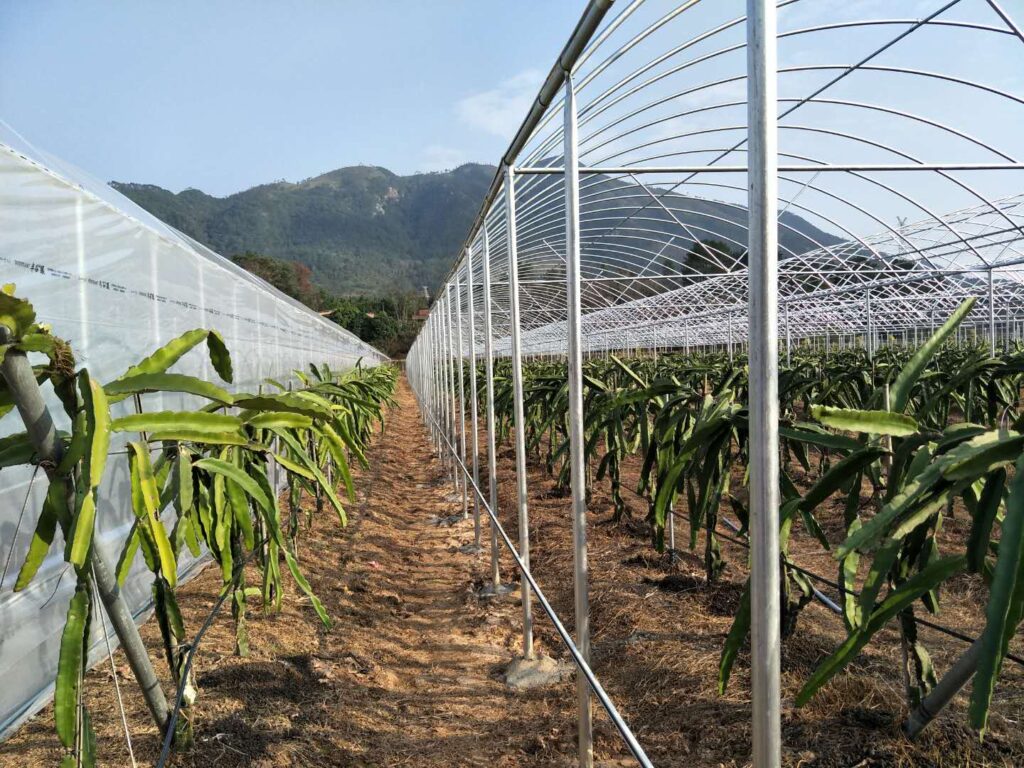
Greenhouses expand the range of crops that can be grown. Stable environmental conditions make it possible to cultivate plants outside their natural climate zones, including tropical crops, specialty flowers, and other high-value varieties.
Greenhouse design is also highly flexible. Structures, covering materials, ventilation systems, and layouts can be customized based on crop type and local climate. Large-scale gutter-connected greenhouses support commercial production, while other designs focus on specific crops or niche markets. This flexibility allows greenhouses to serve many different production goals.
Conclusion
The main advantage of a greenhouse is control. By managing temperature, humidity, and light, a greenhouse transforms agriculture from a weather-dependent activity into a more stable production process. Using natural sunlight as its primary energy source and technology to reduce uncertainty, greenhouse production delivers consistent yield, higher efficiency, and improved crop quality. For these reasons, greenhouses play an increasingly important role in modern agriculture and future food systems.