 跳至内容
跳至内容 
The organic vs conventional decision is one of the most consequential choices a greenhouse grower can make. It affects every aspect of operations — from pest management to market positioning.
Growing Philosophy
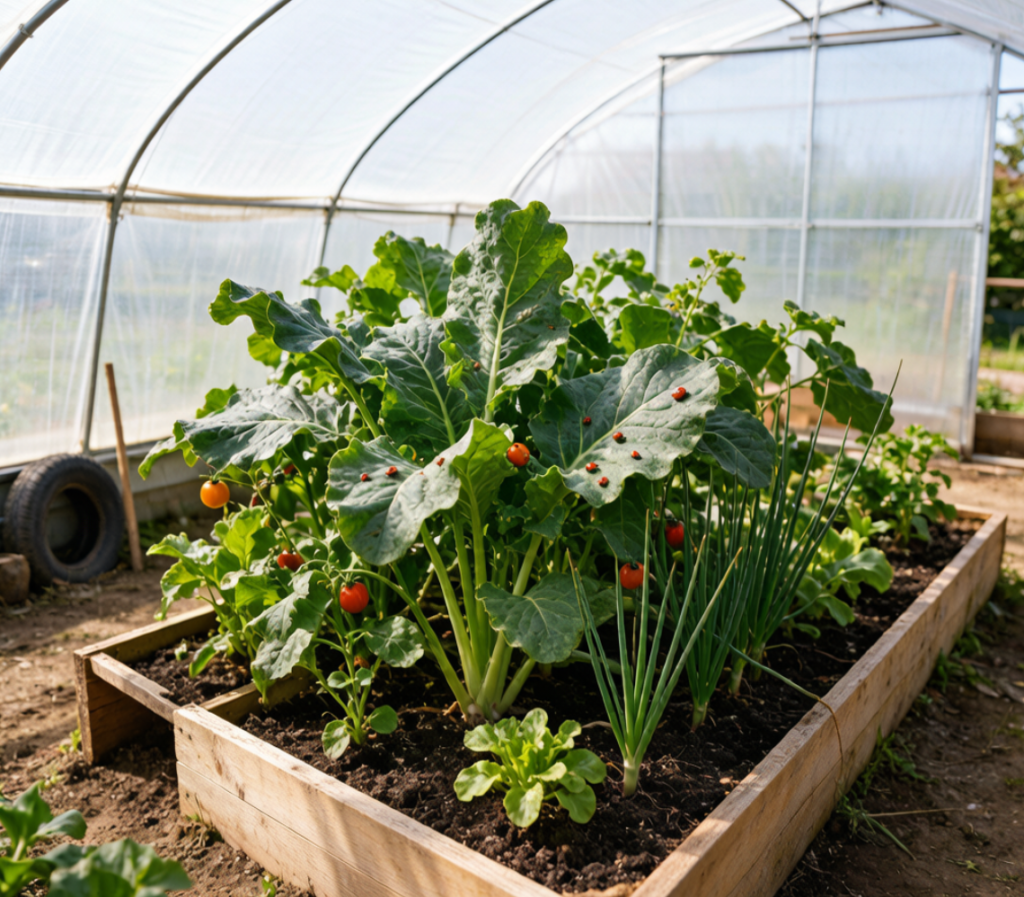
Organic greenhouse growing follows USDA National Organic Program (NOP) standards, prohibiting synthetic pesticides and fertilizers. Conventional growing uses the full range of approved crop protection and fertility products. The USDA organic agriculture program defines certification requirements.
Certification Requirements
Key organic certification requirements: 3-year transition period from conventional. Certified organic seeds or untreated conventional seeds. Organic growing media (no synthetic wetting agents). Only approved natural pest controls. Soil-based or container production with organic inputs. Complete record-keeping and annual inspections.
Growing Methods
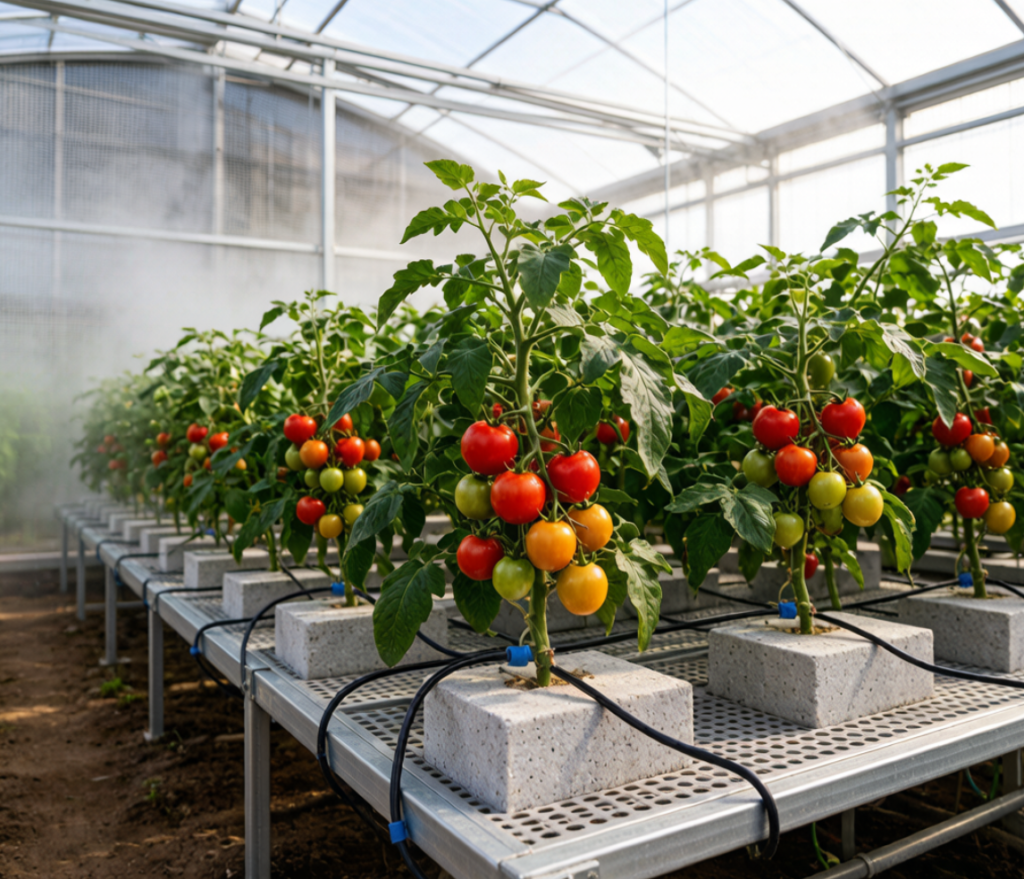
Organic greenhouse production typically uses in-ground soil or raised beds with compost-based fertility. Hydroponic systems can be certified organic in some jurisdictions but face complex compliance requirements. Conventional greenhouses frequently use hydroponic or soilless media with precise synthetic nutrient delivery.
Pest Management
| Approach | Organic | Conventional |
|---|---|---|
| Prevention | Biological controls, sanitation, beneficial insects | Same + preventative synthetic treatments |
| Active treatment | Natural pesticides (neem, Bt, insecticidal soap) | Synthetic pesticides (targeted chemistries) |
| Weed control | Manual, mulching, flame weeding | Manual + selective herbicides |
| Disease management | Cultural controls, copper/sulfur (limited) | Full range of fungicides |
Yield Comparison
Conventional greenhouses typically yield 10-30% more than organic. The gap is largest for crops with high pest pressure and nutrient demand. However, organic yields can approach conventional levels with experienced management, especially in well-designed greenhouse environments where biological controls are effective.
Market & Pricing
Organic greenhouse vegetables command premiums of 20-80% over conventional. Organic tomatoes: $3-5/lb vs $1.50-2.50/lb conventional. Organic lettuce: $2.50-4.00/head vs $1.50-2.50. The premium varies by crop, season, and market channel (direct-to-consumer premium is highest).
Profitability
Despite lower yields, organic greenhouses can be more profitable due to price premiums. The key factors: local market demand for organic, ability to maintain premium pricing year-round, effective biological pest control (avoiding yield losses), and labor availability for weed management.
Transitioning to Organic
The 3-year transition period is the biggest barrier. During transition, you follow organic practices but cannot sell as organic. Key steps: test soil/media for contaminants, establish beneficial insect populations, convert fertility to organic sources, prepare marketing channels for organic certification, document everything.
Fangcheng Greenhouse Solutions
Whether organic or conventional, Fangcheng builds the greenhouse that fits your production system. Versatile structures adaptable to soil-based or hydroponic production. Integrated insect screening, ventilation for biological control compatibility, and irrigation systems suitable for organic or conventional inputs.
FAQ
Is organic greenhouse growing more profitable?
Often yes — 20-80% price premiums can offset 10-30% lower organic yields. Local market demand determines viability.
How long does organic certification take?
3-year transition period. During this period you follow organic practices but market as “transitional.”
Can hydroponics be organic?
Not under USDA NOP (requires soil-based production). Some certifiers allow hydroponics under different organic standards.
Which has higher yields?
Conventional — typically 10-30% higher yields due to synthetic fertilizers and broader pest control options.
What are the biggest organic greenhouse challenges?
Pest management without synthetic pesticides is the primary challenge. Requires expertise in biological controls and prevention.
Conclusion
Organic greenhouse production offers premium market prices but demands higher management skill, especially in pest control. Conventional production provides higher yields and simpler management. The right choice depends on your market access, local organic demand, and willingness to invest in biological control expertise.
 Blog
Blog Blog
Blog Blog
Blog