跳至内容
跳至内容 
Table of Contents

Choosing the right greenhouse depends on your climate, crop type, budget, production scale, and control requirements. Glass greenhouses suit long-term, high-value production; solar greenhouses work well in cold regions with strong sunlight; multi-span film greenhouses are better for cost-sensitive commercial growing at larger scale.
A greenhouse is not just a cover for crops. It affects light, heat, humidity, ventilation, labor cost, maintenance, and long-term return. For commercial growers, the wrong structure can increase operating costs or limit future expansion.
Glass Greenhouses
Best for Long-Term and High-Value Production
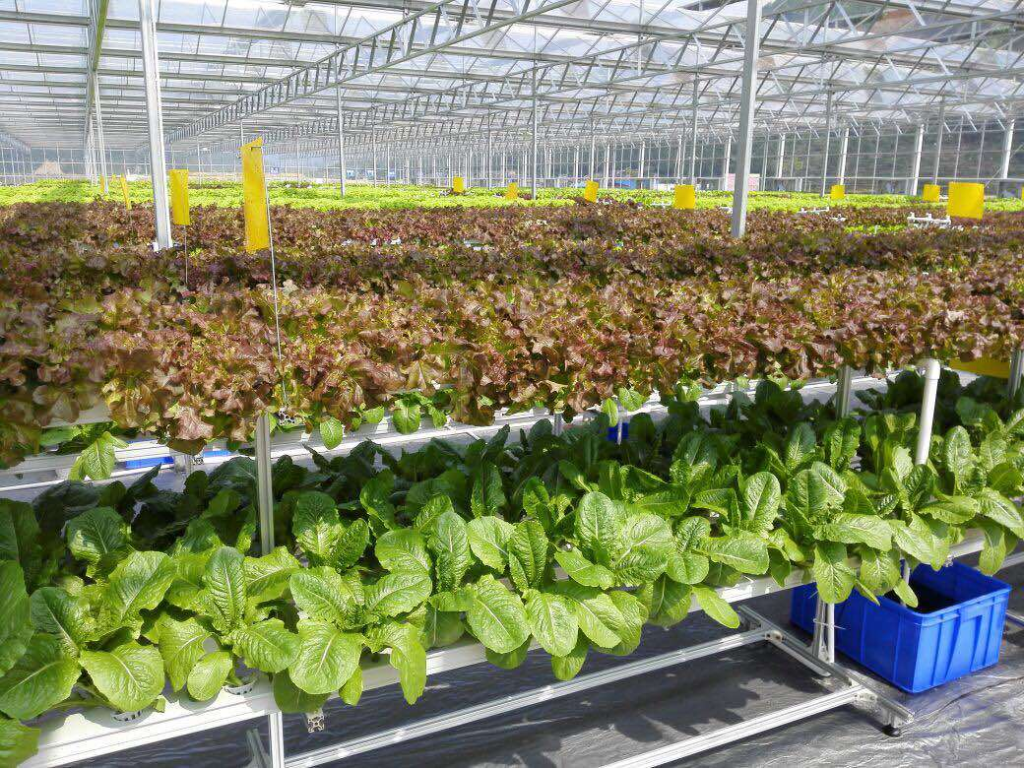
Glass greenhouses are commonly used for flowers, vegetables, seedlings, research facilities, and premium horticulture projects. They offer strong light transmission, a clean appearance, and long service life.
Their main value is stability. Glass does not age as quickly as plastic film, and it can maintain good light performance for many years. This makes it suitable for growers who need a permanent structure with better climate control.
Main Advantages
Glass greenhouses are suitable for projects that require:
- High light transmission
- Long service life
- Professional appearance
- Climate control systems
- Automation, shading, irrigation, and heating equipment
What to Consider
The main limitation is cost. Glass greenhouses require higher investment in structure, foundation, covering materials, and installation. In areas with strong wind, hail, or snow, structural design becomes even more important.
View FC Greenhouse Glass Greenhouse Projects
Solar Greenhouses
Best for Cold and Sunny Regions
Solar greenhouses are designed to collect and store solar heat. They usually combine a transparent covering, insulation, and sometimes a heat-retaining wall.
They are especially useful for winter vegetable growing, seedling production, and protected cultivation in cold areas with enough sunlight.
Main Advantages
Solar greenhouses help reduce heating demand and operating costs when the design matches the local climate. For growers who want winter production without relying heavily on active heating, this can be a practical option.
What to Consider
Solar greenhouses depend heavily on sunlight, orientation, insulation, and structural design. If winter sunlight is weak or the design is poor, the energy-saving effect will be limited.
They may also offer less flexible internal space than modern multi-span structures, especially for larger commercial projects.
Multi-Span Film Greenhouses
Best for Large-Scale Commercial Growing
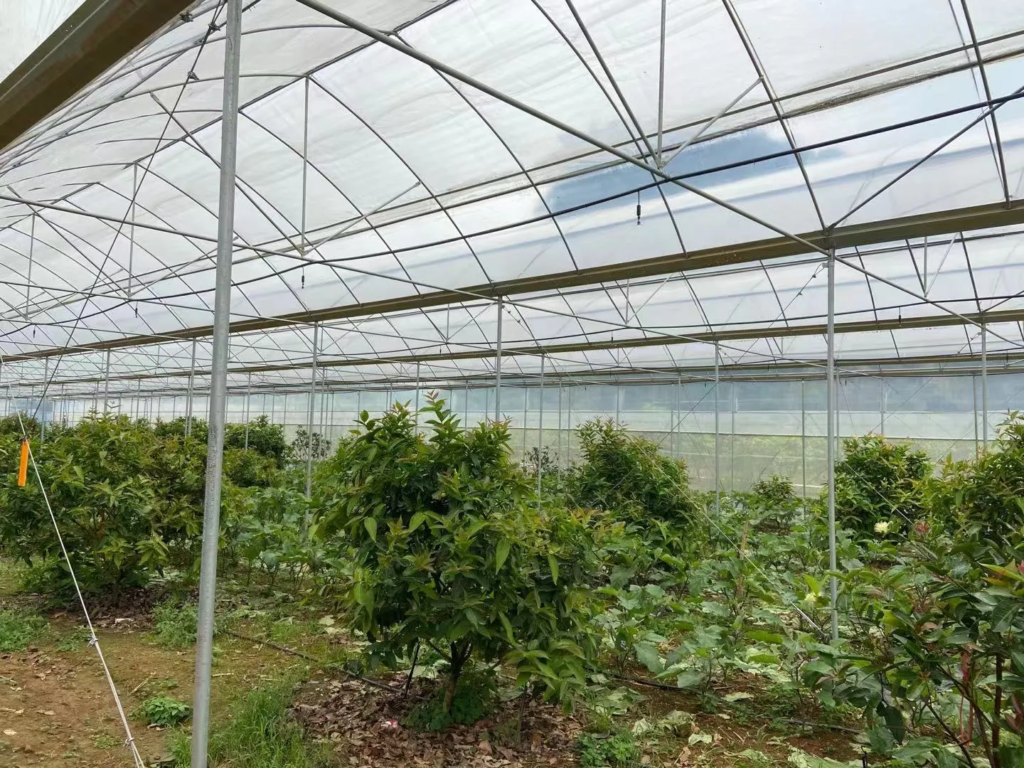
Multi-span film greenhouses use steel frames and plastic film covering to create a large connected growing area. They are widely used for vegetables, berries, flowers, seedlings, and commercial farm projects.
Their biggest advantage is cost performance. Compared with glass, they are cheaper to build, easier to expand, and more suitable for growers who need larger planting areas.
Main Advantages
Multi-span film greenhouses are suitable for:
- Vegetable production
- Berry and fruit growing
- Flower cultivation
- Seedling nurseries
- Large commercial farms
They can also support ventilation, irrigation, shading, insect screens, heating, and basic automation systems.
What to Consider
Plastic film has a shorter lifespan than glass and may need replacement after several years. Insulation is also weaker, so heating cost and condensation control should be considered in cold climates.
View FC Greenhouse Multi-Span Film Greenhouse Projects
Quick Comparison
| Greenhouse Type | Best For | Main Strength | Main Limitation |
|---|---|---|---|
| Glass Greenhouse | High-value crops, research, long-term projects | Durable, high light transmission, professional appearance | High initial cost |
| Solar Greenhouse | Cold regions, winter growing, energy-saving projects | Reduces heating demand | Depends on sunlight and design |
| Multi-Span Film Greenhouse | Large-scale commercial growing | Lower cost, flexible, easy to expand | Film replacement and weaker insulation |
How to Choose the Right Greenhouse
Consider Your Crop
High-value crops usually need a more stable growing environment. Flowers, seedlings, and premium vegetables may benefit from glass greenhouses.
Seasonal vegetables, berries, and large planting areas often fit multi-span film greenhouses better. In cold sunny regions, solar greenhouses can be useful for winter production.
Consider Your Budget
Greenhouse cost is not only the construction cost. Buyers should also calculate heating, cooling, labor, maintenance, film replacement, crop yield, and payback time.
A lower-cost structure may support faster expansion. A higher-cost structure may make sense when crop value is high and long-term stability is required.
Consider Your Climate
Climate often decides the final choice. Hot areas need stronger ventilation and shading. Cold areas need insulation and heating control. Windy or snowy areas need stronger frames and foundations.
Final Thoughts
Glass, solar, and multi-span film greenhouses all serve different growing needs. A good greenhouse should protect the crop, fit the local climate, support daily operation, and make financial sense for the grower.