跳至内容
跳至内容 
Table of Contents
Modern agriculture faces increasing uncertainty. Extreme temperatures, seasonal limits, and unstable weather directly affect crop growth and yield consistency.
A temperature controlled greenhouse addresses these challenges by turning temperature from an external risk into a managed variable. It is not just a covered structure, but a system designed to maintain a stable growing environment across different seasons and climates.
What Is a Temperature Controlled Greenhouse?
A temperature controlled greenhouse is a core part of Controlled Environment Agriculture (CEA).
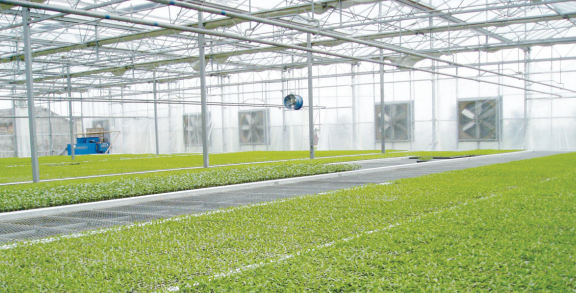
It uses a greenhouse structure combined with heating, cooling, ventilation, and control systems to maintain temperatures within a defined range. This allows crops to grow under stable conditions even when outdoor temperatures fluctuate.
The goal is not extreme precision. The goal is temperature stability. Reducing sudden highs and lows is more important than hitting a single target number.
Why Temperature Control Is the Foundation of Modern Greenhouses
Temperature is the most basic growth factor for plants.
When temperatures are too low, plant growth slows or stops. Roots may be damaged, and frost injury becomes a risk. When temperatures are too high, plants lose water too quickly, flowers drop, and fruit quality declines.
If temperature is unstable, light, water, and nutrients cannot be used efficiently. This is why modern greenhouse design usually starts with temperature control before addressing other systems.
Key Systems in a Temperature Controlled Greenhouse
Temperature control is achieved through multiple systems working together, not a single piece of equipment.
Heating and Thermal Retention
Heating systems protect crops during cold periods and at night.
Common solutions include hot air or hot water heating, thermal storage systems, and ground or pipe-based heat distribution. At the same time, insulation plays a critical role. Multi-layer coverings, insulated panels, and double glazing help retain heat.
The main objective is to reduce temperature swings, not simply raise the temperature.
Cooling and Heat Reduction
In warm climates or summer conditions, excess heat becomes the main challenge.
Shade systems limit solar radiation. Evaporative cooling, such as wet pads or misting, lowers air temperature. Roof vents and side vents allow hot air to escape naturally.
Effective cooling focuses on preventing heat buildup, rather than forcing temperatures down aggressively.
Ventilation and Humidity Balance
Temperature and humidity are closely linked.
Ventilation removes excess heat and moisture at the same time. It also improves air movement and reduces disease pressure. Compared to fully enclosed indoor farms, greenhouses rely heavily on structural and natural ventilation.
Balanced airflow is essential for long-term temperature stability.
The Role of Lighting and Irrigation in Temperature Stability
Temperature control does not operate in isolation.
Light levels influence internal heat gain. Most greenhouses rely mainly on natural sunlight, with supplemental lighting used only when necessary. Diffused coverings help spread light evenly and avoid hot spots.
Irrigation also affects root-zone temperature. Drip irrigation and sensor-based watering reduce sudden temperature changes in soil or growing media while improving water efficiency.
Automation and Intelligent Control Systems
As greenhouse operations scale up, manual control becomes inefficient and unreliable.
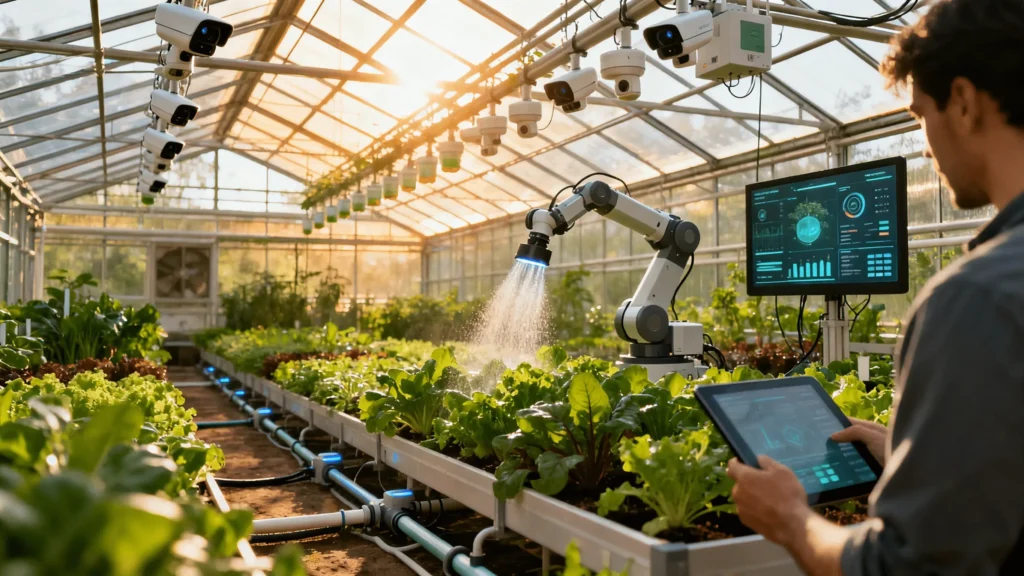
Automation systems use sensors to monitor temperature, humidity, light, and CO₂ levels in real time. Heating, ventilation, shading, and irrigation systems respond automatically to changing conditions.
Remote monitoring allows growers to manage greenhouses without constant on-site intervention. This improves consistency and reduces human error.
Energy Efficiency and Operating Economics
Temperature controlled greenhouses are often seen as energy-intensive, but this is not always true.
By using natural sunlight, greenhouses significantly reduce lighting energy compared to fully indoor facilities. Automation systems further optimize energy use by running equipment only when needed.
Over time, stable yields and predictable production cycles help offset initial investment costs.
What Can You Grow in a Temperature Controlled Greenhouse?
Once temperature is stable, crop options expand.
Vegetables, seedlings, fruiting crops, and temperature-sensitive plants all become possible. In many cases, the limiting factor is not technical feasibility, but whether the system design matches the crop’s needs and whether the economics make sense.
Conclusion: From Weather Shelter to Production System
A temperature controlled greenhouse represents a shift in purpose.
It transforms a greenhouse from a passive shelter into an active production system. Through structured design, climate control, and automation, temperature becomes a controlled input rather than an uncontrollable risk.
This is the foundation of stable, efficient, and predictable greenhouse production.