 跳至内容
跳至内容 
Aquaculture Greenhouse
An aquaculture greenhouse is used for breeding various aquatic species and can be designed as either indoor or outdoor systems. Indoor greenhouses are typically smaller and used mainly for hatchery and nursery purposes, while outdoor greenhouses are larger and rely on solar energy combined with heating. Greenhouse structure and covering materials can be customized based on the lighting and temperature requirements of different aquaculture species.
Service Support
- Greenhouse Design & Engineering
- Greenhouse Manufacturing
- System Supply & Integration
- Installation Guidance & Technical Support
What can I get?
Please leave your contact email, and one of our professional greenhouse engineers will reach out to you within 24 hours.
Aquaculture greenhouses are becoming an essential solution for fish farms, hatcheries, and aquatic research facilities that require stable environmental control and higher production efficiency. By combining greenhouse structures with aquaculture systems, producers can reduce climate risks, extend production seasons, and improve survival rates.
This guide explains what an aquaculture greenhouse is, how it works, the main structural options, and how to choose the right design for different aquaculture goals.
What Is an Aquaculture Greenhouse?
An aquaculture greenhouse is a controlled-environment structure designed specifically for the breeding, nursery, or grow-out of aquatic species. Unlike traditional open ponds, it uses greenhouse technology to regulate temperature, light, humidity, and airflow, creating a more predictable and bio-secure environment.
Aquaculture greenhouses can be used for freshwater or marine species and are widely applied in fish farming, shrimp culture, crab breeding, ornamental fish production, and hatchery operations.

Why Use a Greenhouse for Aquaculture?
Aquaculture is highly sensitive to environmental changes. Temperature fluctuations, heavy rain, strong winds, and sudden cold snaps can directly affect water quality and stock survival.
A greenhouse helps solve these problems by:
Reducing seasonal and weather-related risks
Maintaining stable water temperatures
Improving growth rates and feed efficiency
Lowering disease pressure from the external environment
Extending breeding and harvesting seasons
For many operators, the greenhouse is not just a structure, but a risk-control tool.
Indoor vs. Outdoor Aquaculture Greenhouses
Aquaculture greenhouses are commonly divided into indoor and outdoor systems.
Indoor aquaculture greenhouses are usually smaller and more controlled. They are often used for hatcheries, seed production, and juvenile rearing. Before operation, the greenhouse must be fully disinfected and prepared to meet biosecurity requirements.
Outdoor aquaculture greenhouses are larger in scale and typically used for grow-out or commercial breeding. These structures rely on solar energy combined with auxiliary heating systems. Compared with indoor setups, they allow higher production volumes and lower operating costs per unit area.
The choice depends largely on species type, stocking density, and investment scale.
Common Greenhouse Structures for Aquaculture


Several greenhouse structures are suitable for aquaculture projects:
Single-span film greenhouses: cost-effective, easy to install, suitable for small-scale ponds
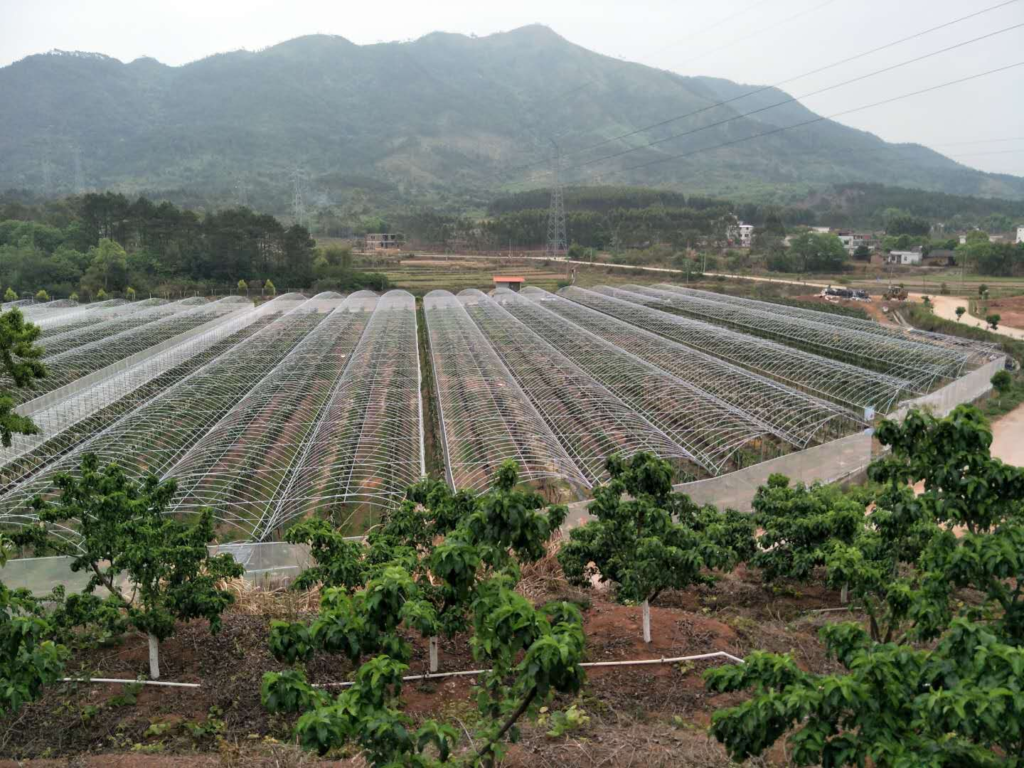
Multi-span film greenhouses: ideal for large aquaculture bases with multiple tanks or raceways
Sawtooth greenhouses: excellent natural ventilation, suitable for warm climates
PC sheet greenhouses: stronger insulation and durability, often used in colder regions or research facilities
Each structure offers different advantages in ventilation, insulation, and maintenance.
Covering Materials and Their Impact
Covering materials play a critical role in aquaculture greenhouse performance.
Plastic film is widely used due to its low cost and high light transmission. It is suitable for warm regions and short- to medium-term projects.
Polycarbonate (PC) sheets provide better thermal insulation, impact resistance, and longer service life. They are often selected for high-value aquaculture operations where stable temperature control is critical.
The choice of material should match local climate conditions, species requirements, and project lifespan.
Environmental Control Systems Inside
A well-designed aquaculture greenhouse integrates multiple control systems, including:
Natural and mechanical ventilation
Shading systems to regulate light intensity
Heating systems for winter operation
Cooling systems for hot seasons
Water circulation and filtration systems
Unlike crop greenhouses, aquaculture greenhouses place special emphasis on water temperature stability and oxygen exchange.
Suitable Aquaculture Applications
Aquaculture greenhouses are commonly used for:
Fish hatcheries and nurseries
Shrimp and crab farming
Ornamental fish breeding
Recirculating aquaculture systems (RAS)
Aquatic research and experimental facilities
They are especially valuable for species that are sensitive to temperature and environmental stress.
Key Factors When Planning an Aquaculture Greenhouse
Before building an aquaculture greenhouse, project owners should carefully evaluate:
Local climate and seasonal temperature range
Species-specific water temperature requirements
Required production capacity
Investment budget and operating costs
Future expansion possibilities
A greenhouse should be designed around the aquaculture process, not added as an afterthought.
Conclusion
An aquaculture greenhouse is not just a shelter—it is a production system designed to improve efficiency, stability, and long-term profitability. With the right structure, covering material, and environmental control strategy, aquaculture greenhouses can significantly enhance production outcomes while reducing operational risks.
For modern aquaculture projects, greenhouse-based systems are increasingly becoming a standard rather than an exception.
1. What is the main advantage of a multi-span film greenhouse?
Its connected structure provides a larger interior space, better air circulation, and more stable climate control compared with single-span greenhouses.
2. What crops are suitable for a multi-span film greenhouse?
It is commonly used for vegetables, seedlings, flowers, and other commercial crops that require controlled growing conditions.
3. How long does the greenhouse film last?
High-quality greenhouse film typically lasts 2–4 years, depending on UV exposure, climate, and maintenance.
4. Can ventilation and cooling systems be integrated?
Yes. Multi-span film greenhouses support roof vents, side vents, shading systems, exhaust fans, and cooling pad systems.
5. Is a multi-span film greenhouse suitable for large-scale production?
Yes. It is designed for commercial and industrial-scale farming where centralized management and efficient space utilization are required.

2025-03-15
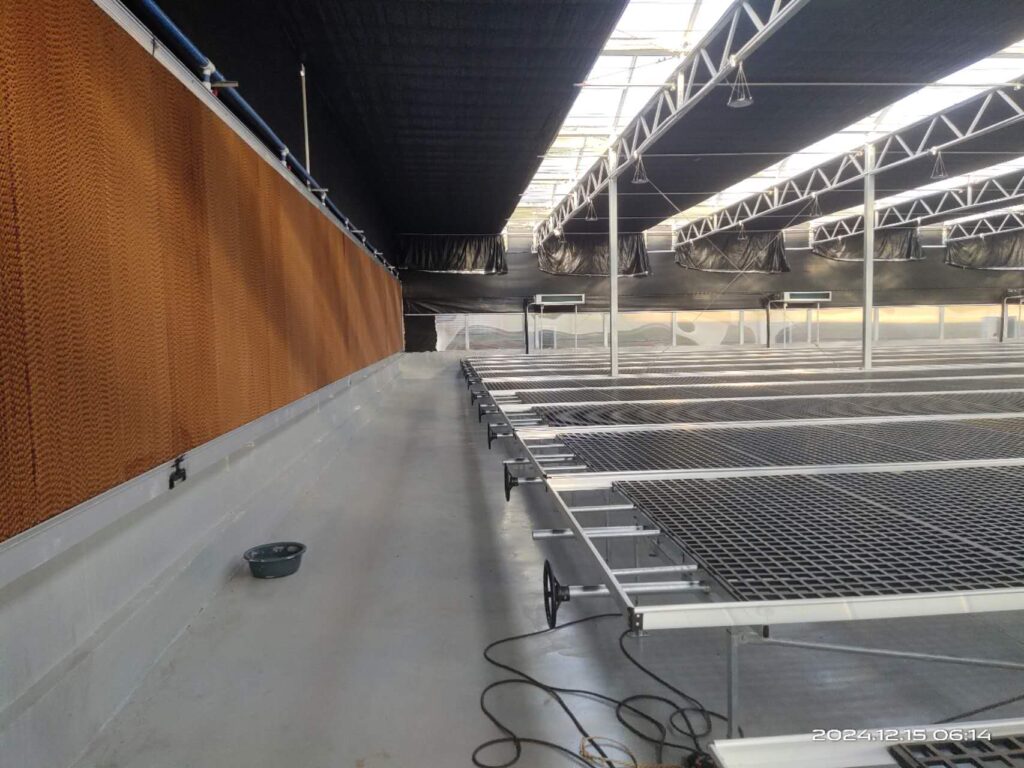
FANGCHENG’s PC greenhouse has been a great investment for us. The structure is strong, the climate is stable, and our crops grow better than before. We no longer worry about wind or constant repairs. Excellent installation and support—highly recommended.
2025-02-08
FANGCHENG’s greenhouse has greatly improved the stability of our hydroponic system. Temperature and humidity are much easier to control, and our vegetables grow faster and more uniformly. The structure is clean, well-designed, and perfect for hydroponic production. We’re very satisfied with the performance and support.


2024-06-20
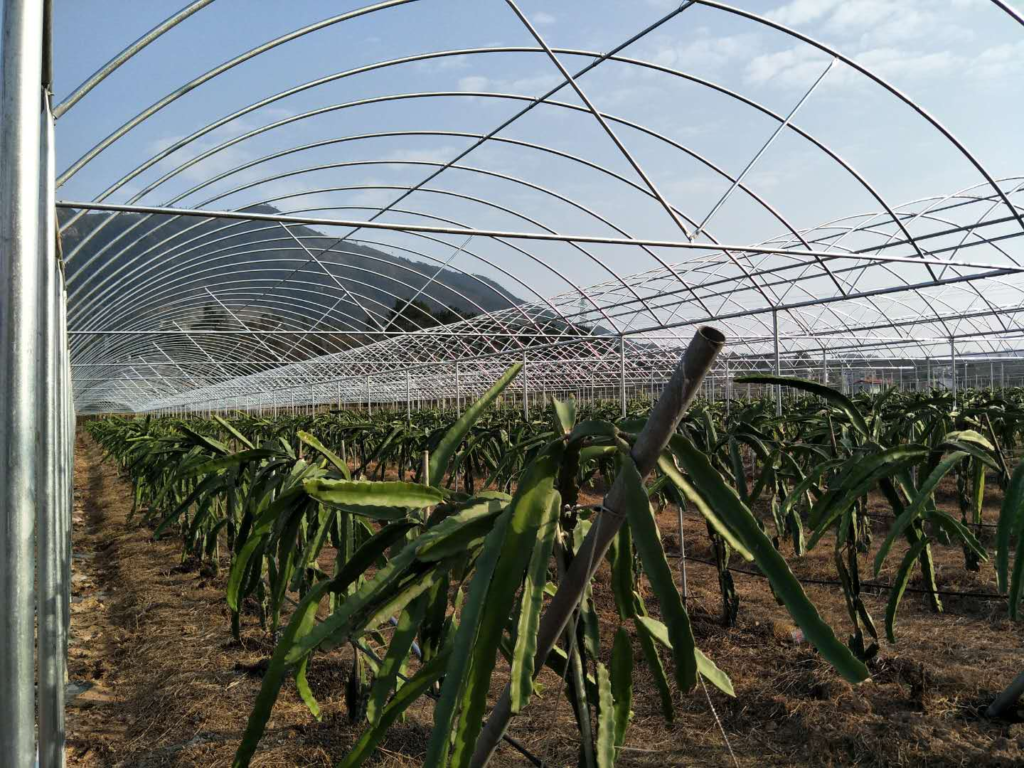
The multi-span greenhouse from FANGCHENG has made our dragon fruit production much more stable. Temperature and humidity are easier to manage, flowering is more consistent, and fruit quality has clearly improved. The structure handles local weather well, and overall, it has been a reliable upgrade for our plantation.
2024-05-25
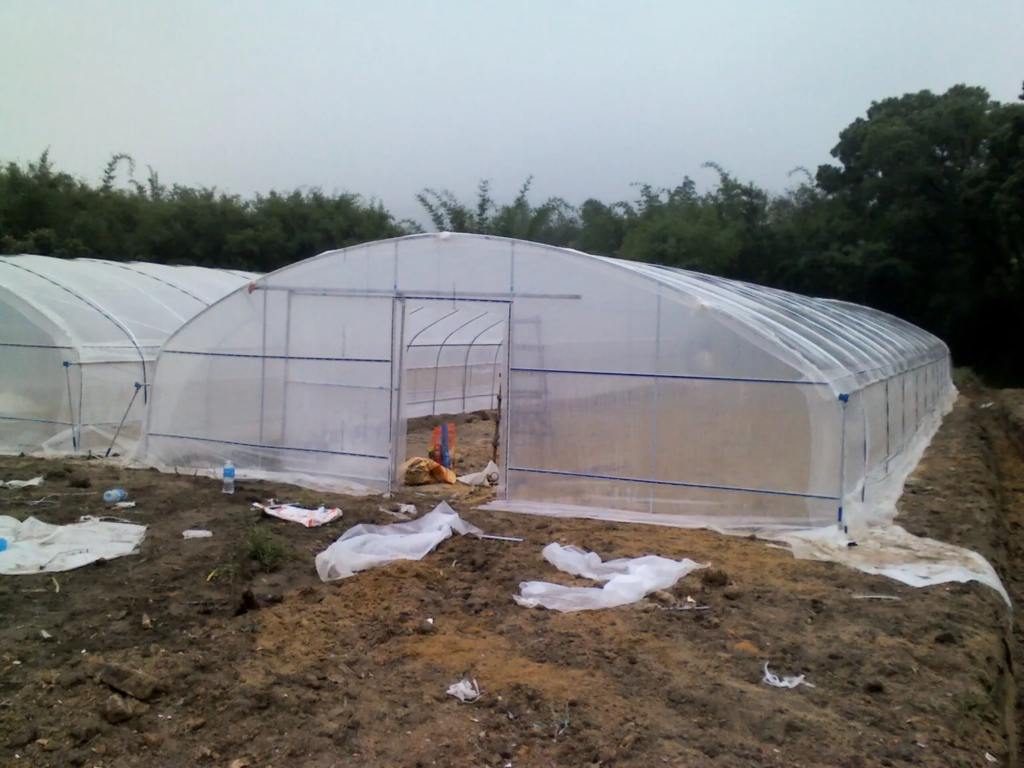
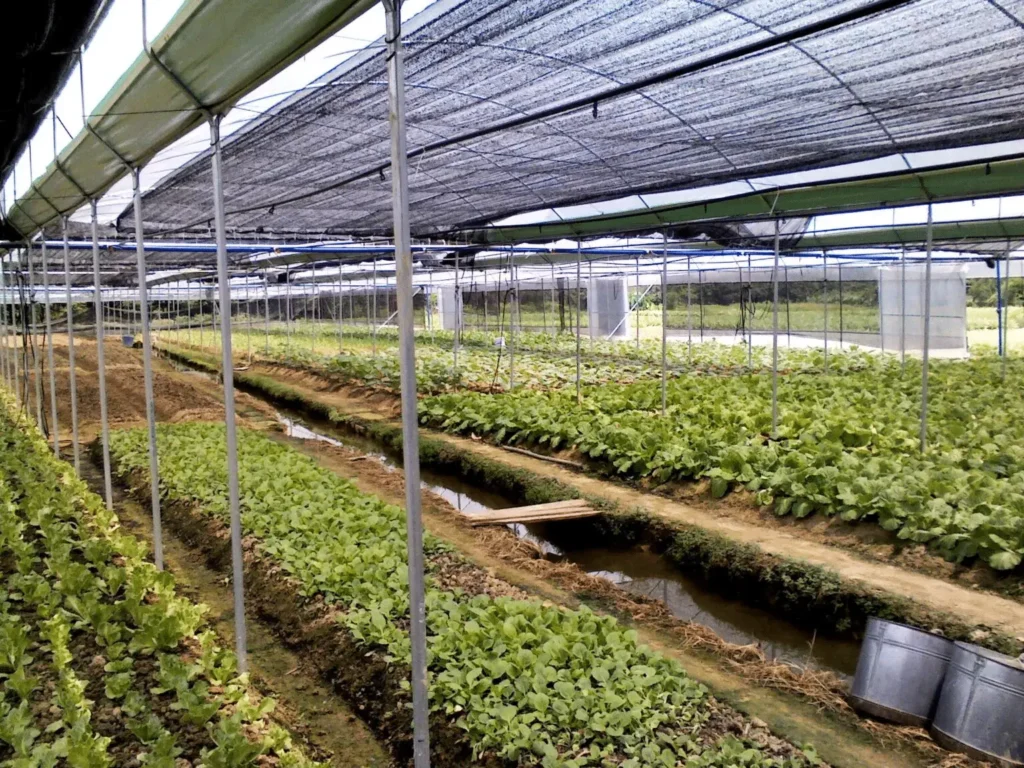
FANGCHENG’s single-span greenhouse has made our vegetable production much more stable. Temperature and ventilation are easier to control, and our crops grow more uniformly than before. The structure is strong, simple to manage, and a clear improvement over our old setup. We’re very satisfied with the results.

rapid response
Interested in the product? Fill out the form now to get more information.
