 跳至内容
跳至内容 
Greenhouse Wire
Table of Contents
Why Choose FANGCHENG?
Customizable, professional, and knowledgeable. We produce cost-effective & high-quality commercial greenhouses.
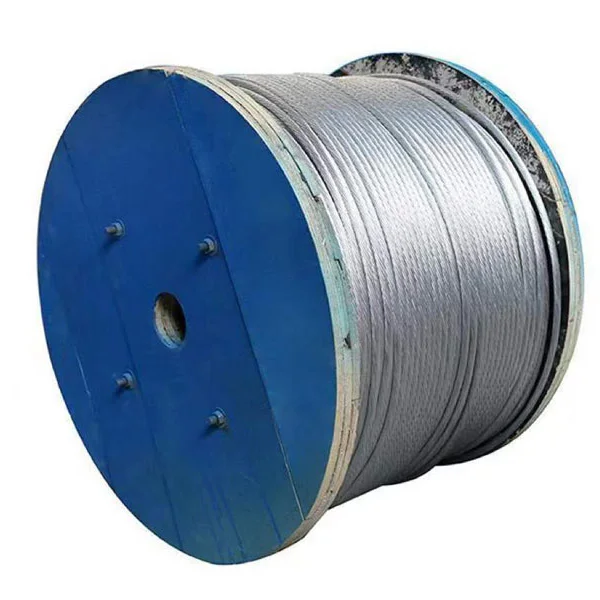
We supply high-quality greenhouse wire from China, suitable for fixing films, supporting shade nets, guiding crop trellis systems, and organizing internal greenhouse accessories. With reliable strength and flexible applications, our wire ensures stable and efficient greenhouse operation.
Greenhouse Wire: A Key Component for Structural Stability and System Support
Greenhouse wire is one of the most essential yet understated components in modern greenhouse construction. Although it appears simple, its role extends across nearly every part of the structure. From film fastening and shading support to crop training and internal system organization, greenhouse wire provides the tension, stability, and flexibility required for long-term performance. A greenhouse may rely on strong pipes and durable coverings, but without a reliable wire system, many structural and functional elements cannot operate effectively.
The Function of Greenhouse Wire in a Greenhouse System
Greenhouse wire serves as a continuous support line that strengthens both the outer and inner framework. Its primary role is to hold coverings and accessories in position. When used for film installation, the wire helps maintain even tension across the surface, reducing movement caused by wind and preventing friction that can lead to premature wear. A well-installed wire ensures that the film remains smooth, tight, and firmly anchored, which directly contributes to the greenhouse’s insulation and wind resistance.
In addition to stabilizing coverings, greenhouse wire supports a range of internal systems. It provides mounting pathways for irrigation tubes, electrical cables, and small ventilation components. By organizing these elements along a clear line, the wire prevents entanglement and keeps the greenhouse interior safe and functional. In crop production, greenhouse wire plays an essential role in trellis systems, helping guide plants upward and maximizing space usage. Its strength and flexibility make it ideal for managing vine crops such as tomatoes, cucumbers, and peppers.
How Greenhouse Wire Supports Structural Performance
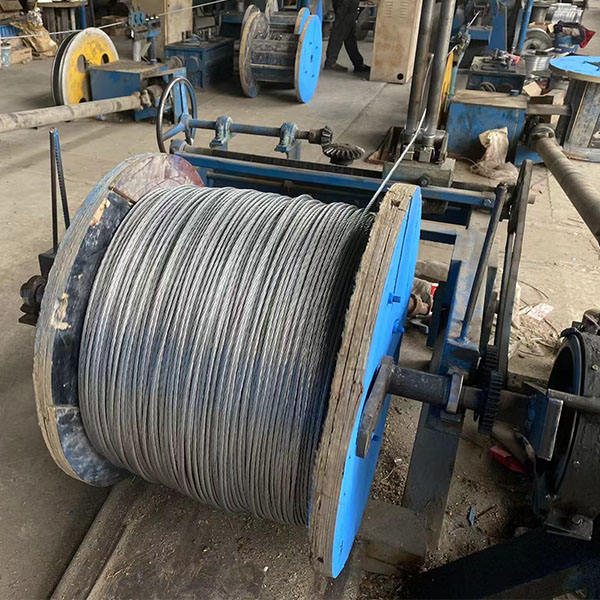
The greenhouse structure is constantly affected by external forces, whether it is wind pressure, snow load, or sudden temperature changes. Greenhouse wire acts as a stabilizing element that helps distribute these forces more evenly across the frame. When wires are installed horizontally, vertically, or diagonally, they create supporting lines that reinforce the shape of the greenhouse and reduce deformation of the pipes.
The tension of the wire is equally important. Properly tensioned wire adds rigidity to the structure, especially in long-span or high-tunnel greenhouses. When the frame is under stress, the wire absorbs part of the load and prevents excessive movement. This stabilizing effect helps extend the lifespan of the entire greenhouse and reduces the likelihood of structural fatigue.
Materials and Characteristics of Greenhouse Wire
Greenhouse wire is typically made from high-tensile steel, galvanized steel, or coated wire with enhanced corrosion resistance. These materials allow the wire to withstand high humidity, condensation, temperature shifts, and the chemical environment often present in agricultural settings. Galvanized wire is widely used because of its balance of strength and affordability. High-tensile steel wire is chosen when long spans or higher loads are expected. Plastic-coated wire adds a protective layer that reduces friction against film or shade cloth, extending the life of the covering materials.
The diameter of the wire influences its strength and flexibility. Thicker wire provides higher tension capacity but is less flexible for detailed routing inside the greenhouse. Thinner wire is easier to manipulate and suitable for internal accessory installations but may not provide enough support for film or shading systems. Understanding the characteristics of different wire types helps ensure proper selection for specific greenhouse applications.
What can I get?
Please leave your contact email, and one of our professional greenhouse engineers will reach out to you within 24 hours.
Applications Across Different Greenhouse Systems
Greenhouse wire plays a role in nearly all parts of a greenhouse. In film greenhouses, it is used to secure PE or PO film along the sides or top. It supports wiggle-wire systems by stabilizing channels and reinforcing attachment points. In shading systems, the wire serves as the suspension path for shade cloth, allowing it to slide smoothly or hang evenly across the structure.
Inside the greenhouse, wire is used to construct trellis lines for crop training, to hang irrigation loops, or to route electrical lines safely. In hydroponic and vertical growing environments, wire is often used to stabilize support frames or nutrient lines. Its multifunctional nature allows it to adapt to many different installation requirements.
Installation Considerations for Durability and Strength
A successful wire installation requires careful planning of tension and alignment. Before installation begins, the wire path must be determined to avoid interference with other systems. Tension should be applied gradually to achieve a firm but not overstretched line. Too much tension may weaken the wire or damage attachment points, while insufficient tension may result in sagging or instability.
When installing wire along pipes, protective sleeves or coated wire may be used to prevent abrasion. Regular inspection ensures that the wire remains tight and corrosion-free. Greenhouses exposed to high humidity or strong winds should check wire conditions more frequently to ensure ongoing structural stability.
Long-Term Benefits of Using High-Quality Greenhouse Wire
High-quality greenhouse wire contributes significantly to the long-term reliability of a greenhouse. By providing stable support for coverings and internal systems, it reduces damages, minimizes maintenance needs, and helps maintain consistent environmental conditions. A greenhouse equipped with durable wire has better wind resistance, improved load distribution, and a more organized interior layout.
Greenhouse wire also enhances operational efficiency. Shading systems move smoothly along stable wire tracks, trellis systems remain reliable through the growing season, and internal equipment stays securely in place. Over time, the reduction in structural stress and maintenance work leads to a more sustainable and cost-effective greenhouse.
Conclusion
Greenhouse wire may appear to be a simple material, but it plays a critical role in maintaining structural integrity, supporting internal systems, and ensuring the long-term performance of a greenhouse. Its strength, flexibility, and resistance to outdoor conditions make it one of the most versatile components in greenhouse engineering. By choosing appropriate wire materials, installing them correctly, and performing routine inspections, growers can build a greenhouse that remains strong, functional, and efficient year after year.