 跳至内容
跳至内容 
Greenhouse Connectors
Table of Contents
Why Choose FANGCHENG?
Customizable, professional, and knowledgeable. We produce cost-effective & high-quality commercial greenhouses.
We are a professional China greenhouse connectors manufacturer and supplier, offering a wide range of pipe connectors, joint fittings, and structural components for different greenhouse frames. Our factory provides durable materials, multiple sizes, and reliable performance for various greenhouse construction needs.
The Role of Connectors in Greenhouse Engineering
Connectors shape the framework’s geometry and maintain its structural alignment. Every pipe or beam in a greenhouse needs a joint that ensures the correct angle and spacing. When the greenhouse experiences wind pressure, internal humidity changes, heat expansion, or crop load, connectors help distribute force across the frame. This prevents local stress concentration and keeps the structure balanced.
Stable connectors also influence the durability of greenhouse coverings. If the frame remains steady with minimal movement, the attached film or shade material experiences less friction and maintains its tension longer. This reduces tearing and prolongs the lifespan of the covering system. Even small adjustments in connector stability can significantly improve the overall performance of the greenhouse.
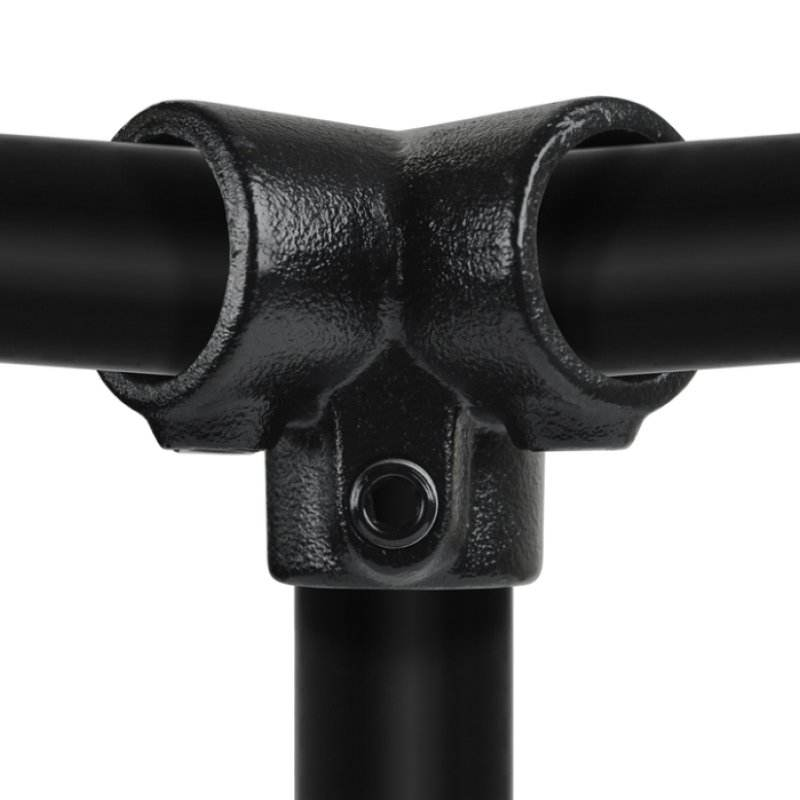
How Greenhouse Connectors Function Within the Structural System
Connectors operate as both mechanical fasteners and alignment guides. They determine the exact position where two or more pipes meet, ensuring consistent geometry in arches, purlins, and sidewall sections. Their shape and size define how the frame handles external loads. A well-designed connector supports the pipe without causing dents or slipping, maintaining constant contact even under vibration or strong winds.
In multi-span greenhouse systems, connectors synchronize multiple arches and beams across long distances. They keep the structure unified, allowing it to act as a single continuous frame instead of many independent sections. This integrated behavior increases resistance to deformation and enhances wind-load capacity.
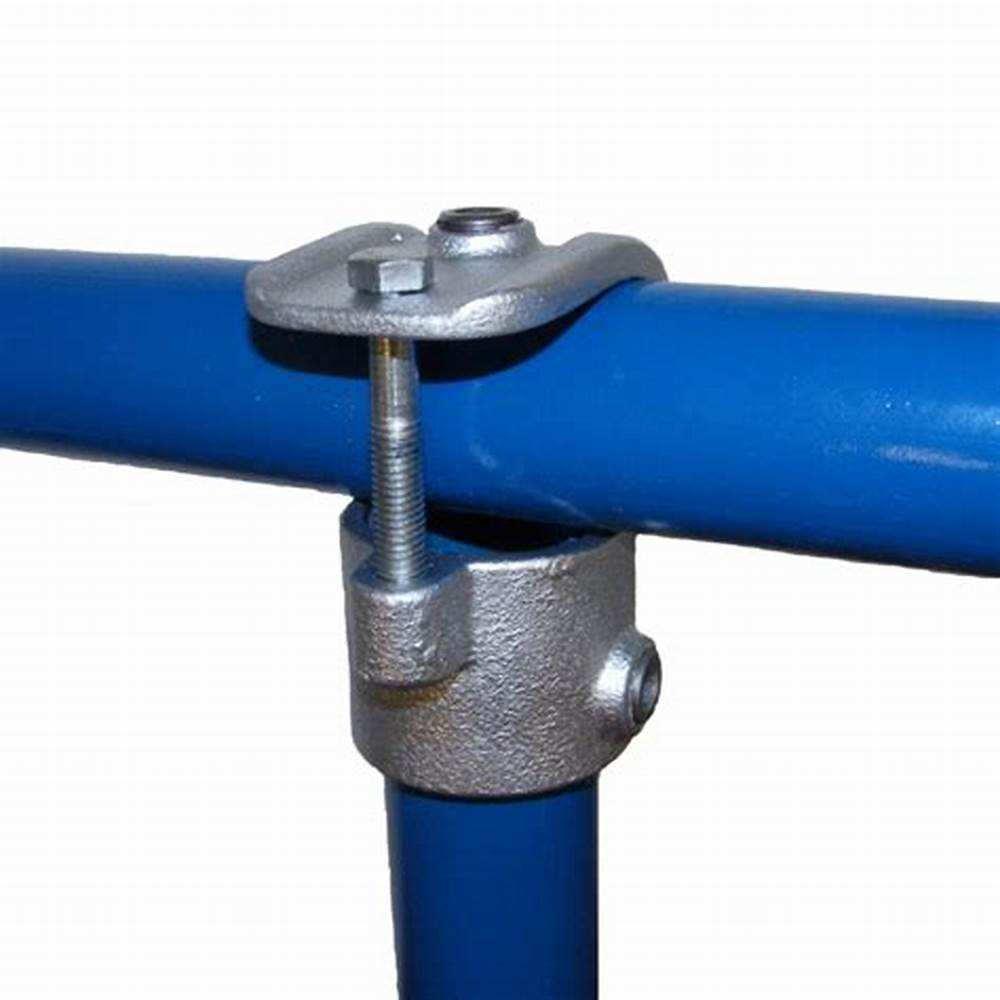
Connectors in Different Greenhouse Systems
Tunnel greenhouses rely heavily on connectors to hold the repeated arch shapes that define the tunnel curve. Each arch must align precisely with the next, and the connectors ensure uniform spacing throughout the length of the structure. Even a small shift in one arch can affect the tension of the covering material.
In multi-span greenhouses, connectors serve more complex functions. They support intersecting beams, stabilize roof purlins, and create strong joints in central support areas. These connectors often carry higher loads and must accommodate thermal expansion without loosening.
Greenhouses with internal equipment—such as shading systems, irrigation lines, and ventilation units—also depend on connectors to provide secure mounting points. The greenhouse frame becomes an integrated network where each system is supported without interfering with the others.
Design Considerations for Effective Connectors
The shape of a connector determines the type of load it can handle. A rounded connector designed for arch pipes allows flexible force distribution, while a flat-surface connector may provide better stability for beams or horizontal supports. The thickness and coating of the connector influence its lifespan, especially in humid or coastal environments.
Pipe diameters must match connector size accurately. If the connector is too loose, it may slip during windy conditions. If it is too tight, it may damage the pipe surface, weakening the entire frame. Precision is essential in greenhouse construction because small deviations can accumulate across the structure and impact overall alignment.
Connectors must also accommodate thermal expansion. Greenhouses experience constant temperature changes, and metal components expand and contract accordingly. A connector that allows controlled movement without losing grip helps maintain long-term stability.
What can I get?
Please leave your contact email, and one of our professional greenhouse engineers will reach out to you within 24 hours.
Installation Logic: Building a Stable Framework from the Inside Out
Effective connector installation starts with establishing a true reference line. Once the first arch or beam is perfectly aligned, each subsequent connector reinforces that alignment. The greenhouse frame grows outward from a stable geometric baseline.
During installation, the tightening sequence of connectors matters. Gradually securing them from one end to the other helps maintain uniform tension across the frame. Sudden tightening in one area may cause twisting, especially in lightweight structures. Proper sequence ensures even force distribution and minimizes distortions.
After the frame is assembled, connectors remain active components. They continue to adjust to wind loading, seasonal temperature shifts, and the movement of internal equipment. Because of this, periodic inspection ensures that the greenhouse maintains its intended shape.

Connectors as Part of a Long-Term Maintenance Strategy
While connectors are durable, they are not maintenance-free. Over time, dirt, moisture, and temperature changes can affect joint strength. Checking connectors at the beginning of each growing season ensures early detection of loosening or corrosion.
Replacing an aging connector prevents small problems from escalating into structural failures. Maintaining connector integrity is one of the simplest yet most effective ways to extend the lifespan of a greenhouse.
Conclusion: Connectors Define the Strength of the Entire Greenhouse
Greenhouse connectors are more than simple hardware components. They define the structure’s rigidity, longevity, and ability to withstand environmental stress. By providing precise alignment, supporting mechanical loads, and ensuring the stability of every connection point, connectors determine how effectively the greenhouse performs throughout its service life.
A strong greenhouse is built on strong connections. Understanding the function and importance of greenhouse connectors helps growers, engineers, and builders create structures that remain durable, stable, and efficient year after year.