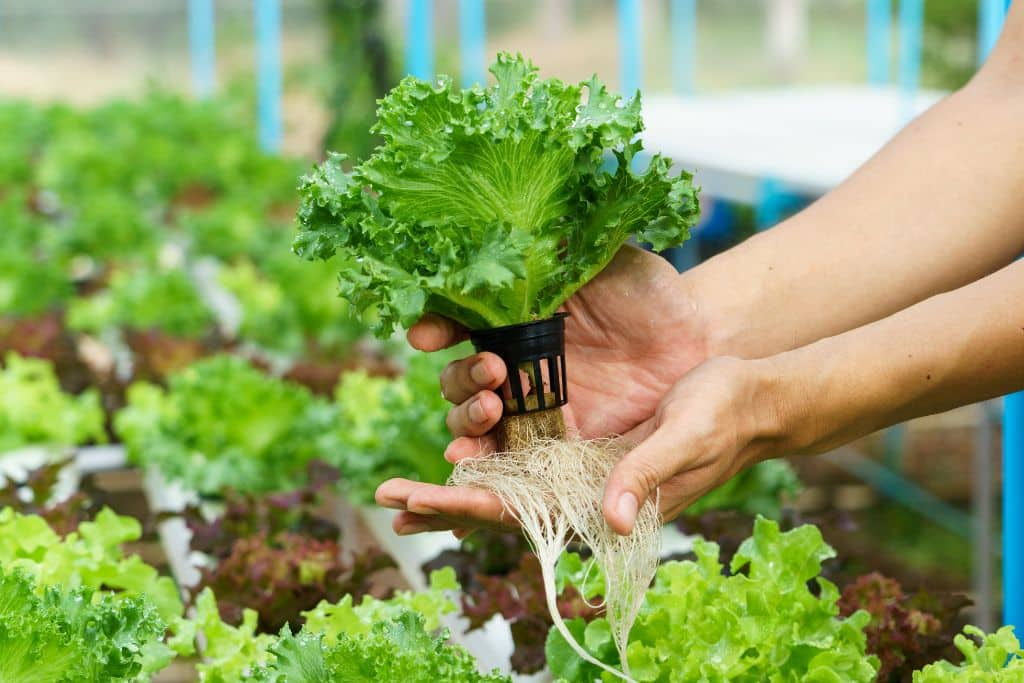
The School of Life Sciences at Guangzhou University required a specialized greenhouse to support research involving controlled plant growth and pest-management studies. Their outdoor experimental area was frequently affected by insect interference, making it difficult to maintain clean experimental conditions or protect sensitive plant varieties. To improve research accuracy and ensure stable cultivation cycles, the institute needed a structure capable of effectively isolating crops from external pests while maintaining a suitable microclimate.
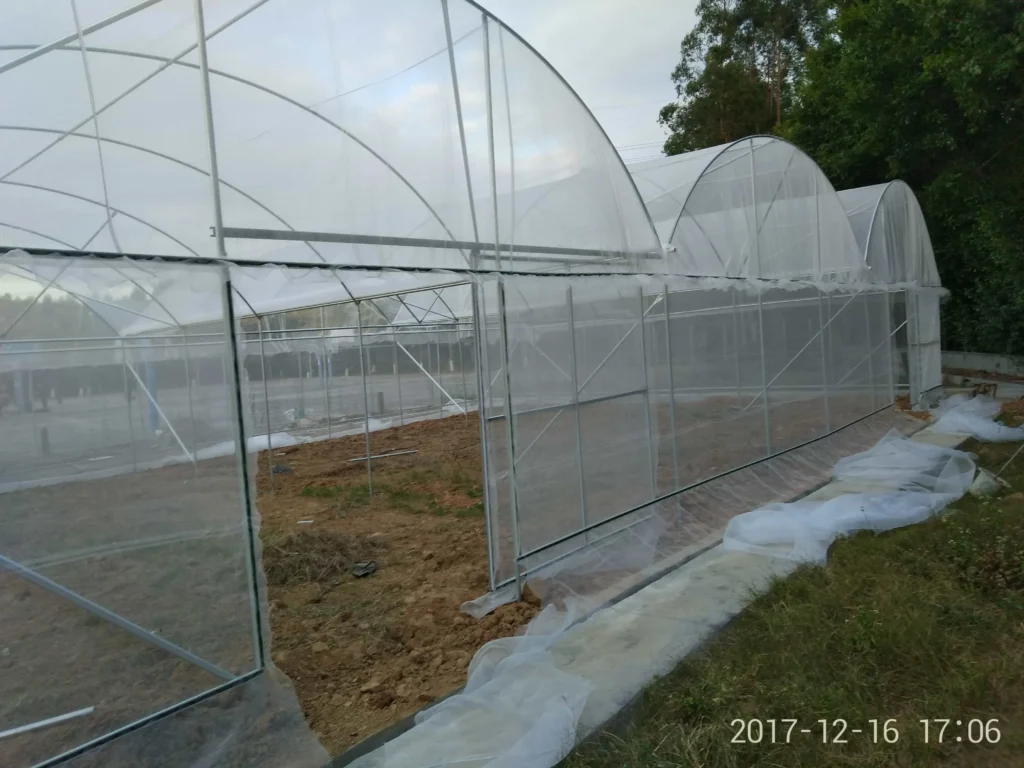
FANGCHENG designed and installed an insect-proof greenhouse tailored to the needs of academic research. The structure uses high-density insect-mesh coverings that block small pests while allowing sufficient airflow for plant development. The greenhouse frame was reinforced to ensure long-term stability, and the ventilation openings were equipped with mesh protection to maintain a fully enclosed environment. The interior layout was arranged to accommodate research benches, seedling tables, and irrigation equipment commonly used in university laboratories.
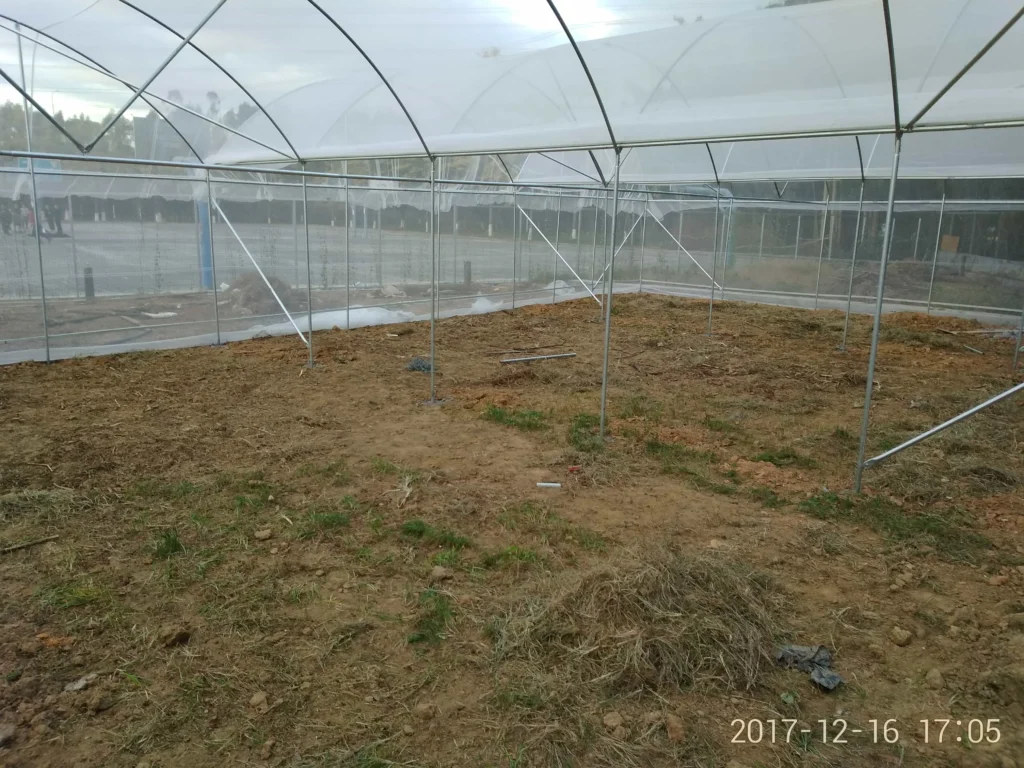
During the construction process, attention was given to sealing details, ensuring that all joints, doors, and ventilation points could maintain strict insect-exclusion performance. This was essential to support experiments requiring controlled conditions. The greenhouse also provides uniform natural lighting, allowing researchers to observe plant responses clearly and conduct repeated trials without weather interruptions.
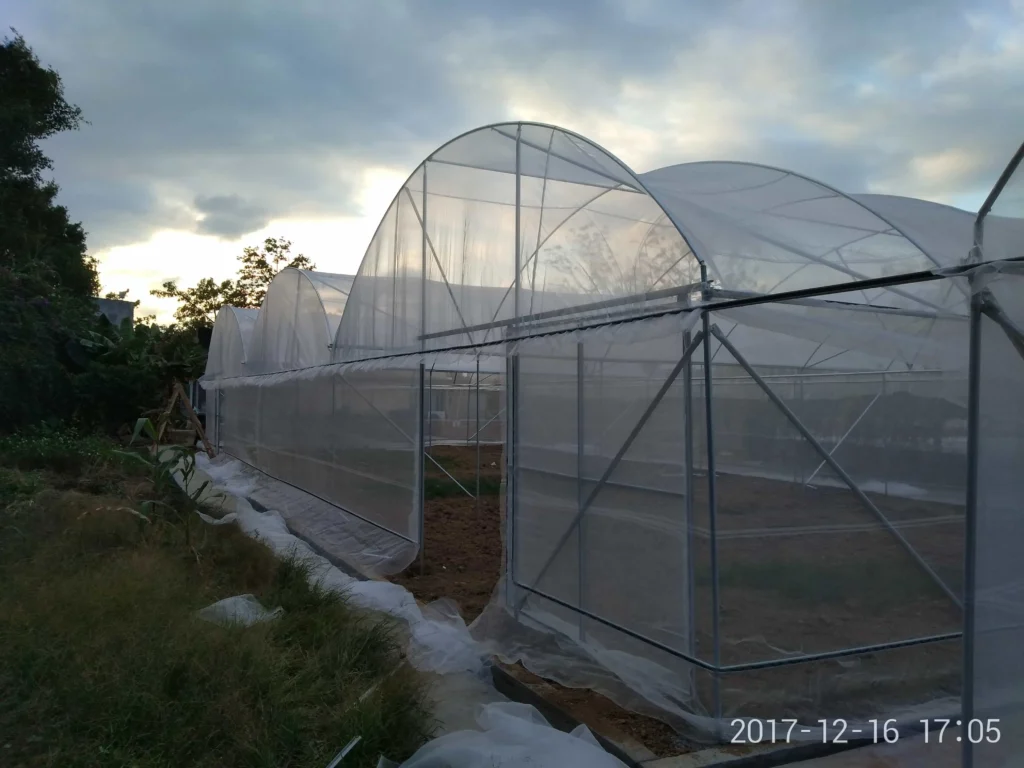
After the facility began operation, the research team experienced a significant improvement in experimental consistency. External insect interference was greatly reduced, making it easier to monitor plant growth and carry out long-term studies. The greenhouse offered a clean, controlled environment that enhanced the efficiency and reliability of scientific research within the university.