Table of Contents
Building a high-performing greenhouse starts long before construction begins.
Clear planning, correct system choices, and future-ready design are what determine whether a greenhouse can operate efficiently and scale over time.
This guide walks through the key areas you should plan and prepare, step by step, before and during greenhouse development.
Early Planning and Business Goals
Clear goals are the foundation of a successful greenhouse project.
You should first define your business plan. This includes the crops you plan to grow and the market you want to serve. Leafy greens, flowers, and cannabis all require different systems and operating strategies.
Production scale is another early decision. Expected output should match your investment level and long-term profit goals. Oversizing too early often increases cost pressure.
Budget planning is critical. You should understand both the initial investment and how future expansion will be funded.
Labor requirements should also be considered. Daily operation, seasonal maintenance, and peak workload periods all affect staffing needs and operating cost.
Site Selection and Site Preparation
The site you choose will affect greenhouse stability for many years.
Site conditions should be evaluated early. Topographic information and soil bearing capacity are often required. In many projects, a geotechnical report is needed to confirm the ground can support the structure.
Reliable access to utilities is essential. Water, electricity, and natural gas should be available and stable.
Proper grading and drainage help prevent water accumulation. Standing water can damage crops and reduce structural lifespan.
Local climate must be assessed. Wind load, snow load, and extreme temperatures directly affect structural design.
Greenhouse orientation should follow the sun path. Correct alignment improves light exposure and reduces energy demand.
Greenhouse Structure and Covering Materials
The greenhouse frame and covering form the physical core of the operation.
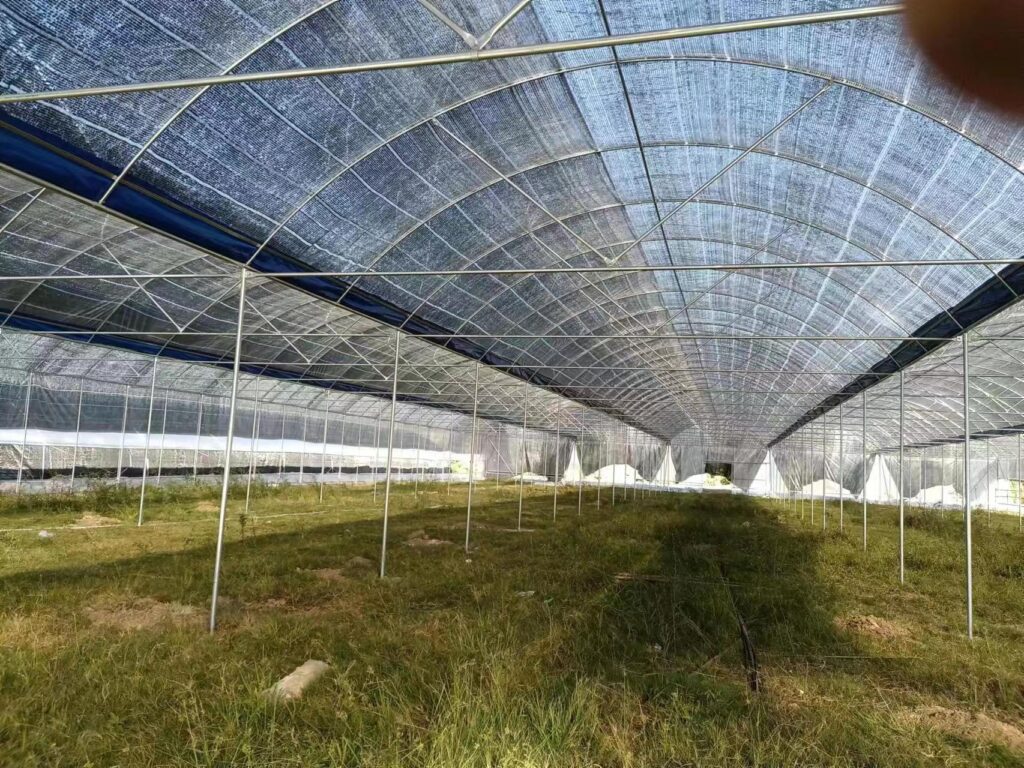
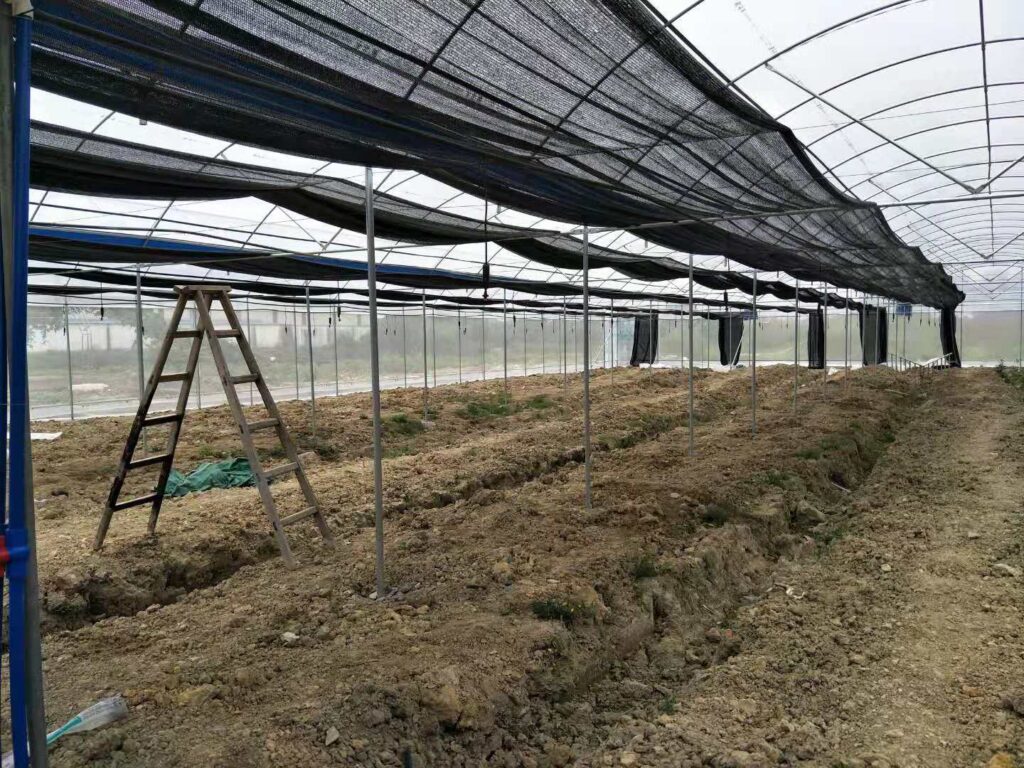
You should choose between multi-span greenhouses and single-span structures. Multi-span designs are easier to expand. Single-span greenhouses offer more flexibility for specific uses.
Covering materials should match insulation needs and crop requirements. Common options include glass, polycarbonate panels, and greenhouse film.
Structural reinforcement may be required in harsh climates. Steel framing is often used to improve resistance to wind and snow.
Good structural design improves light transmission and energy efficiency at the same time.
Environmental Control Systems
The greenhouse frame and covering form the physical core of the operation.
You should choose between multi-span greenhouses and single-span structures. Multi-span designs are easier to expand. Single-span greenhouses offer more flexibility for specific uses.
Covering materials should match insulation needs and crop requirements. Common options include glass, polycarbonate panels, and greenhouse film.
Structural reinforcement may be required in harsh climates. Steel framing is often used to improve resistance to wind and snow.
Good structural design improves light transmission and energy efficiency at the same time.
Please leave your contact email, and one of our professional greenhouse engineers will reach out to you within 24 hours.
Growing Systems and Automation Equipment
Efficient equipment reduces labor and improves crop quality.
Irrigation and fertigation systems may include drip irrigation, misting systems, or ebb-and-flow benches. Automated nutrient delivery improves consistency.
Growing systems should match space and crop type. Options include rolling benches, vertical racks, and hydroponic systems such as NFT or deep water culture.
Centralized automation software allows control of temperature, humidity, CO₂, and lighting. Data logging helps operators improve performance over time.
Integrated pest management should be planned from the start. Clean procedures, monitoring tools, and environmental control reduce pest pressure without overreliance on chemicals.
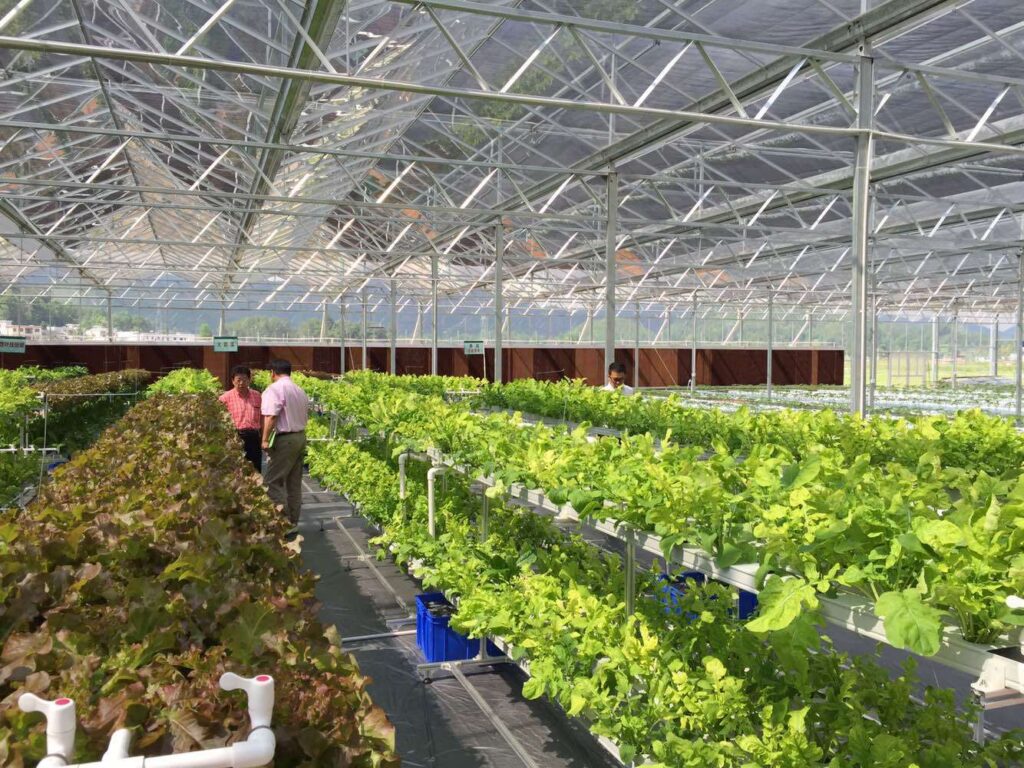
Operational Layout and Compliance
A good greenhouse design supports both people and compliance.
Workflow design should include wide aisles, ergonomic workstations, and efficient internal transport systems. Poor layout increases labor cost over time.
Functional zones should be clearly defined. These may include storage areas, plant care zones, offices, and staff break rooms.
Sustainability measures can be integrated early. Rainwater collection, solar energy use, and water recycling improve long-term efficiency.
Compliance is essential. Greenhouses must meet local building codes, fire safety requirements, worker safety standards, and food safety regulations where applicable.
Future Expansion and Professional Partnerships
A greenhouse should grow with the business.
Expansion-ready design allows new bays to be added without major disruption. Utility capacity should be sized to support future growth.
Choosing the right partners matters. Experienced builders who understand greenhouse systems, local codes, and full design-build delivery can reduce risk and save time.
Strong collaboration in the early stages often determines long-term project success.