Table of Contents
Introduction: Why Structure Comes First
In commercial greenhouse production, growers often focus on equipment, climate systems, and crop varieties.
However, the greenhouse structure itself is what truly defines long-term success.
It determines how efficiently space is used, how easily the farm can expand, and how stable production will be over time.
A gutter-connected greenhouse is designed with these goals in mind.
Instead of operating as isolated units, multiple greenhouse bays are physically connected, forming one continuous growing space.
This approach supports large-scale, professional farming where consistency and scalability matter.
What Is a Gutter-Connected Greenhouse?
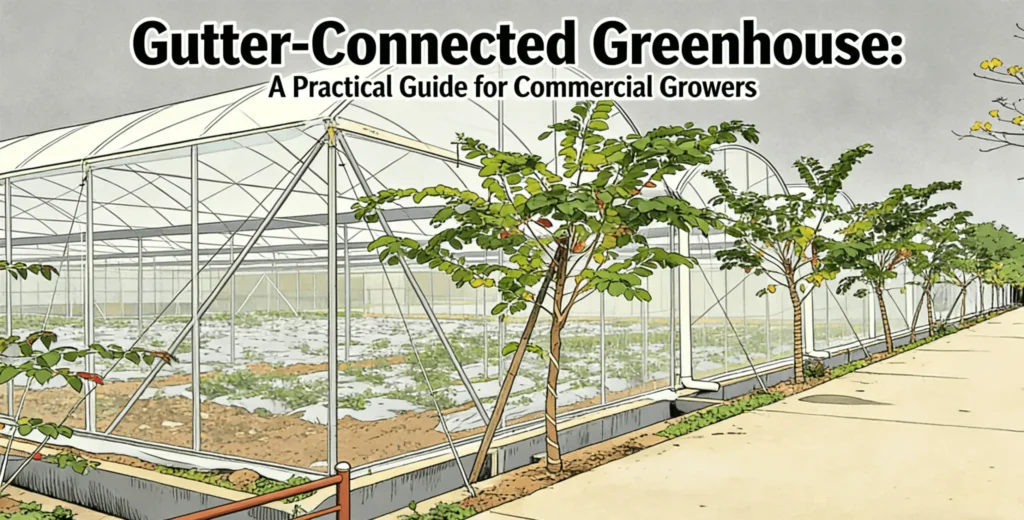
A gutter-connected greenhouse uses a modular construction concept.
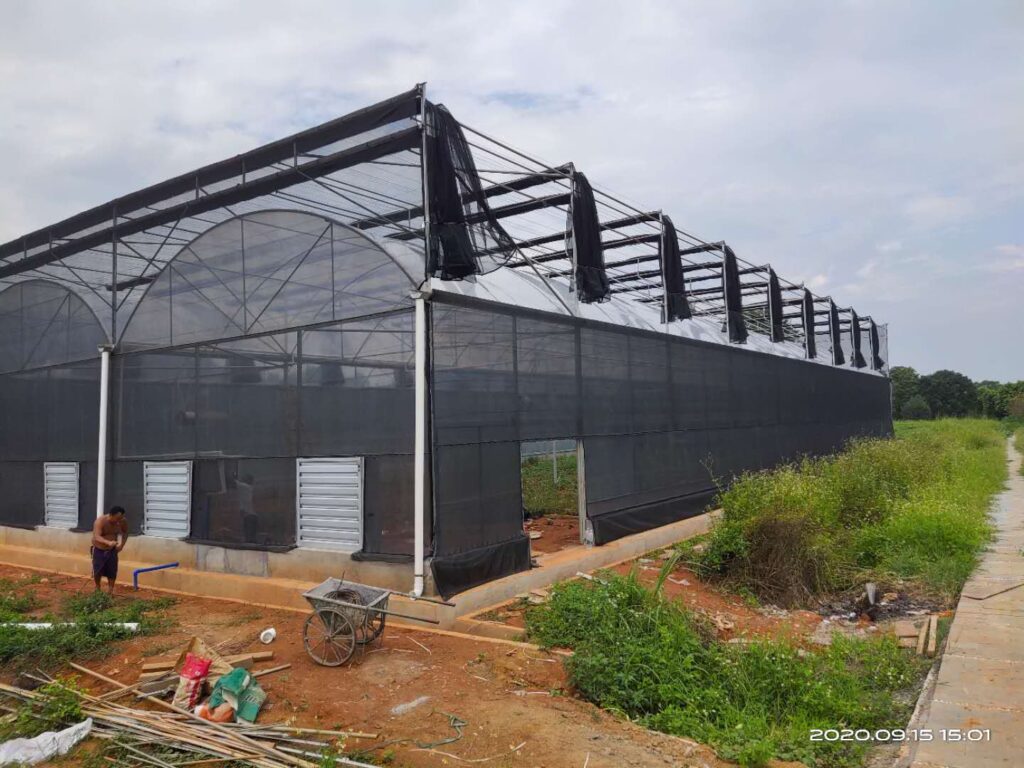
Each greenhouse bay is built as a repeatable unit, and adjacent bays are connected through shared gutters along the roof edges.
Together, these bays create a single, unified structure rather than separate buildings.
Because the gutters handle rainwater and snow runoff, there is no open gap between units.
This design reduces wasted space and improves overall environmental control.
For commercial growers, it means more usable growing area under one roof.
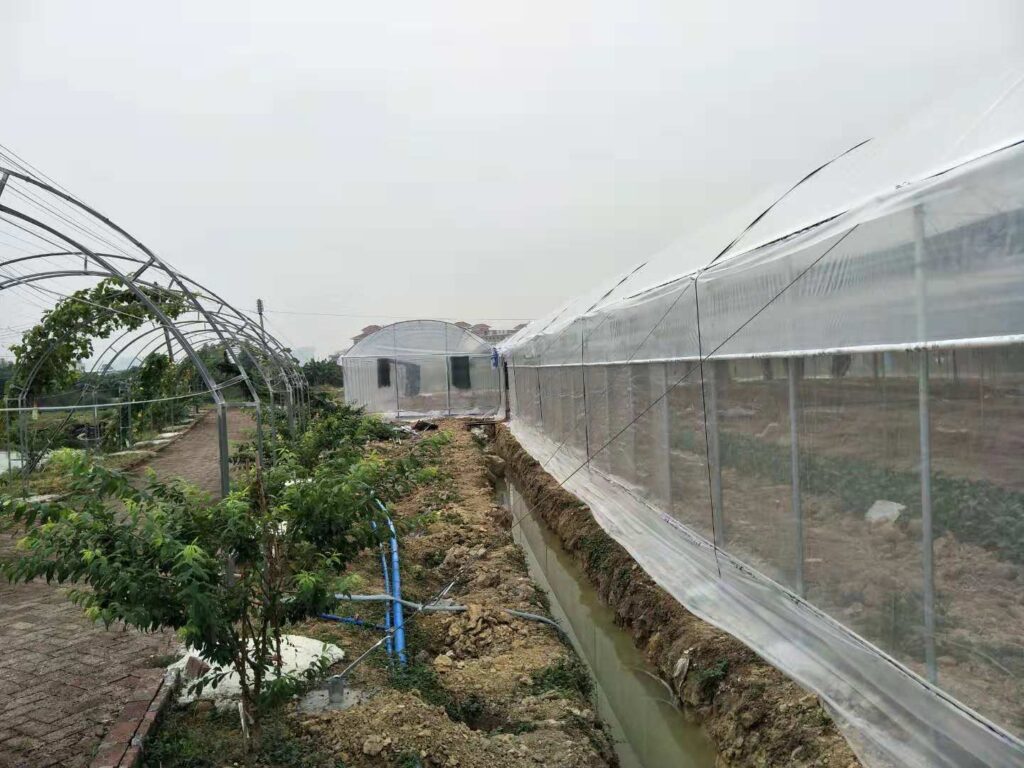
Modularity and Scalability: Built for Growth
One of the biggest advantages of a gutter-connected greenhouse is flexibility.
Growers do not need to build the entire facility at once.
A project can start with a small number of bays and expand over time as demand grows.
When expansion is needed, new bays can be added directly to the existing structure.
There is no need to relocate equipment or disrupt current production.
This makes long-term planning easier and avoids costly redesigns later.
Key benefits include:
Lower upfront investment
Easy future expansion
Minimal disruption to ongoing operations
Cost and Energy Efficiency
Gutter-connected greenhouses are more cost-efficient than multiple standalone houses.
Because the structures share sidewalls and roofing elements, less cladding material is required per square meter.
This reduces construction costs from the beginning.
Energy efficiency also improves.
A larger connected space has less exterior surface area compared to many separate buildings.
As a result, heat loss is lower, and heating systems work more efficiently.
Centralized systems further reduce costs.
Heating, irrigation, and climate control can serve the entire greenhouse instead of each bay individually.
Please leave your contact email, and one of our professional greenhouse engineers will reach out to you within 24 hours.
Structure and Climate Stability
These greenhouses typically have high gutter heights, often between 5 and 6 meters.
The large internal air volume helps stabilize temperature and humidity throughout the space.
Sudden environmental changes become easier to manage.
Strong structural frames are usually made from hot-dip galvanized steel.
This allows the greenhouse to withstand wind, snow, and long-term corrosion.
Roof designs such as Gothic arches help rain and snow drain efficiently through the gutters.
Common covering options include:
Double-inflated polyethylene film
Twin-wall polycarbonate panels
Both options balance light transmission with insulation.
Improved Crop Production and Space Use
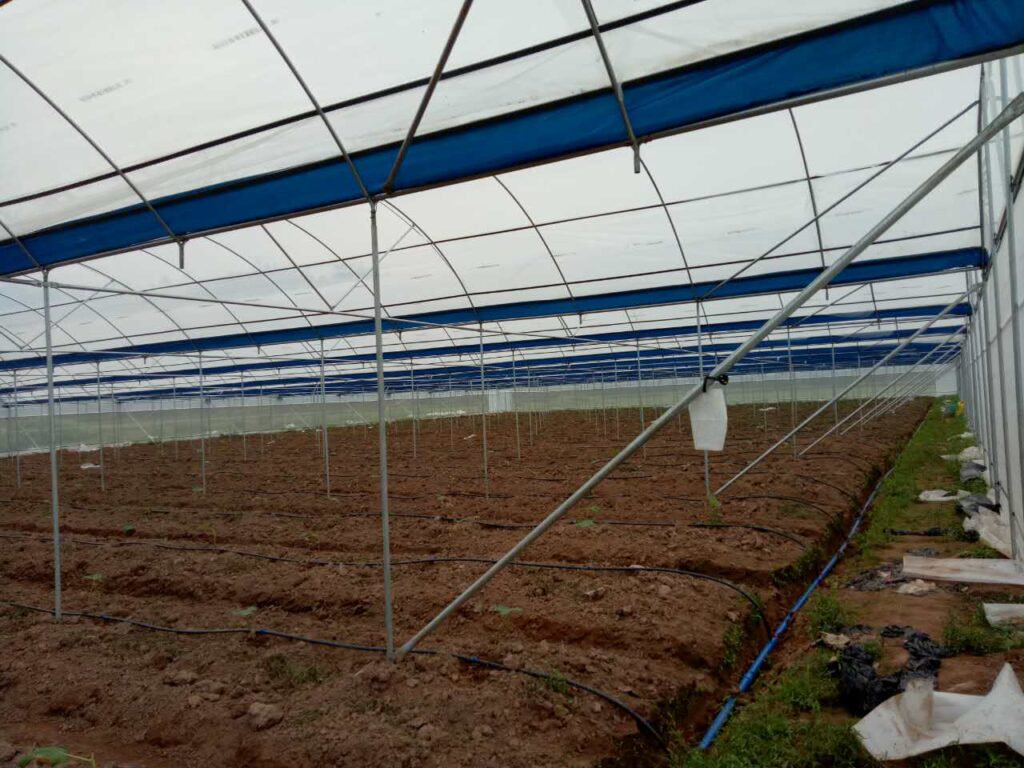
Because there are no gaps between greenhouse units, all available land is used efficiently.
This eliminates the unused space that often exists between standalone greenhouses.
Production per square meter increases as a result.
A unified environment also improves crop consistency.
Temperature, humidity, and light conditions remain more uniform across the entire greenhouse.
If needed, individual bays can still be isolated for disease control or crop separation.
This structure supports a wide range of crops, including:
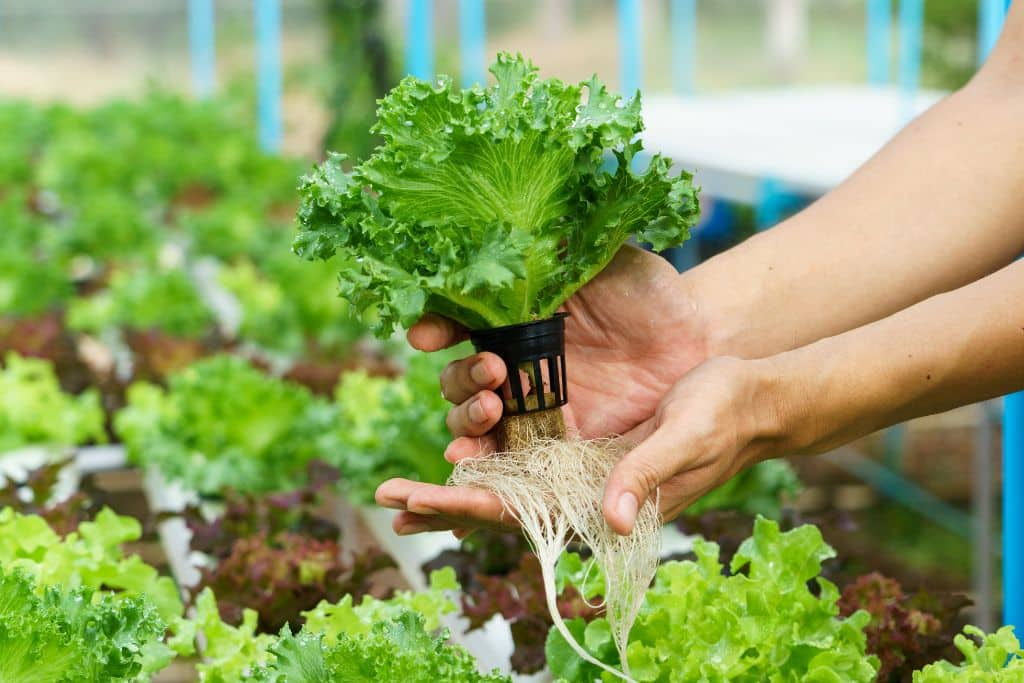
Vegetables and leafy greens
Berries and fruit crops
Flowers and nursery plants
Conclusion: A Smart Investment for Commercial Growth
A gutter-connected greenhouse is more than a shelter for plants.
It is a strategic infrastructure choice for professional growers.
By combining modular design, energy efficiency, and scalable construction, it supports long-term farm growth.
For operations planning to expand production, reduce costs, and improve control, this structure offers a clear advantage.
It turns greenhouse space into a stable, efficient, and future-ready production system.