
Greenhouse Ventilation System
Table of Contents
Why Choose FANGCHENG?
Customizable, professional, and knowledgeable. We produce cost-effective & high-quality commercial greenhouses.
-1024x768.jpg)
FANGCHENG understands the critical role ventilation plays in crop growth. Effective air movement helps prevent heat buildup, reduces humidity-related issues, and maintains proper CO₂ circulation—creating a stable environment for healthy plant development.
That’s why we provide complete greenhouse ventilation solutions tailored to each project’s needs. Whether for large multi-span greenhouses or nursery structures, we design systems that include roof and side ventilation, exhaust fans, and circulation fans. Our goal is to ensure consistent airflow and reliable climate control throughout your greenhouse.
Greenhouse Ventilation System
A Complete Guide for Modern Commercial Greenhouses
A reliable ventilation system is one of the most essential components in any commercial greenhouse. It regulates temperature, controls humidity, improves airflow, and maintains sufficient CO₂ levels—creating the stable environment required for healthy and productive plant growth. Whether the facility is used for vegetables, flowers, seedlings, or research purposes, consistent air exchange is the foundation of environmental control.
This guide provides a clear and comprehensive overview of how greenhouse ventilation works, the types of systems available, key equipment, design principles, and practical operation considerations. It is written for greenhouse builders, growers, project developers, and anyone involved in controlled-environment agriculture.
.jpg)
Why Ventilation Is Critical in Greenhouses
A greenhouse is a semi-closed environment. Without proper ventilation, natural heat buildup, plant transpiration, and stagnant air can quickly cause environmental imbalance.
Heat Accumulation
Greenhouses trap solar radiation. Temperatures can rise rapidly and exceed the tolerance of most crops, causing leaf burn, slowed growth, or heat stress.
Excess Humidity
High humidity creates ideal conditions for fungal diseases such as downy mildew and botrytis. It also affects pollination and fruit quality.
CO₂ Depletion
Plants consume CO₂ during photosynthesis. Without fresh air exchange, CO₂ levels drop and growth slows significantly.
Uneven Microclimates
Stagnant areas with inconsistent temperature and humidity lead to uneven crop uniformity.
Higher Pest and Disease Pressure
Warm, moist, and still air accelerates pest reproduction and disease spread. Good ventilation reduces these risks naturally.
Effective ventilation solves all these issues by removing excess heat and moisture while supplying fresh, CO₂-rich air.
Type of Greenhouse Ventilation Systems
Greenhouse ventilation is generally categorized into natural ventilation and mechanical ventilation. Many modern facilities use a combination of both to balance efficiency and performance.
Natural Ventilation
Natural ventilation uses wind pressure, temperature differences, and buoyancy to move air through the structure. Common configurations include:
-768x1024.jpg)

- Roof vents
- Sidewall vents
- Roll-up sidewalls
- Louvered openings
Its main advantages are low energy consumption, simplicity, and gentle airflow. However, its performance depends heavily on weather conditions. Poor wind movement or extremely hot weather may reduce its effectiveness.
Design is the key factor. Vent placement, vent area, the ratio between roof and side vents, and alignment with prevailing winds all determine natural ventilation efficiency.
Mechanical Ventilation
Mechanical ventilation uses powered equipment to force air movement regardless of outdoor conditions. It is widely used in large, high-value, or climate-sensitive greenhouses.
Typical components include:
.jpg)
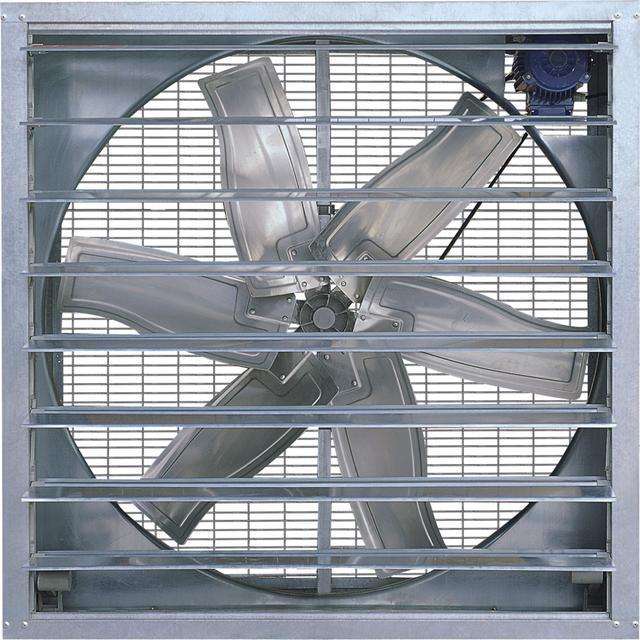
- Exhaust fans
- Circulation fans
- Evaporative cooling pads
- Mixed-flow or axial fans
Mechanical systems provide consistent airflow and strong cooling capacity, especially during hot seasons. They require electricity and regular maintenance, but offer highly predictable performance.
Hybrid Ventilation Systems
Most commercial facilities use a hybrid approach, combining natural and mechanical methods:
- Natural ventilation for mild seasons
- Mechanical ventilation for hot or humid periods
- Reduced ventilation in winter while maintaining minimum air exchange
This integrated strategy balances energy savings with year-round climate stability.
What can I get?
Please leave your contact email, and one of our professional greenhouse engineers will reach out to you within 24 hours.
Key Equipment Used in
Greenhouse Ventilation Systems
Roof and Side Vents
Roof vents release rising hot air, while side vents introduce cooler outside air. When designed properly, they create strong cross-ventilation.
Exhaust Fans
These fans pull air out of the greenhouse and create negative pressure that draws fresh air inside. Fan sizing must match greenhouse area and required air exchange rate.
Circulation Fans
Horizontal airflow fans help eliminate dead zones and maintain uniform temperature and humidity throughout the structure.
Evaporative Cooling Pads
Cooling pads work with exhaust fans to provide evaporative cooling—one of the most effective methods for reducing temperature in hot climates.
Screens and Ventilation Accessories
Insect screens, shutters, louvers, and wind-resistant vent structures improve sanitation and environmental stability.
Environmental Control Systems
Modern greenhouses often integrate sensors and automated controls to adjust vents, fans, and cooling systems based on real-time environmental readings.
How to Design an Effective
Greenhouse Ventilation System
A ventilation system must be engineered, not improvised. Good design considers climate, structure, crops, and energy efficiency.
Local Climate Conditions
Seasonal temperatures, humidity patterns, wind direction, and wind speed determine the appropriate mix of natural and mechanical ventilation.
Greenhouse Size and Structure
Larger or taller structures require stronger airflow and may need multi-zone ventilation plans to ensure uniform conditions.
Crop Requirements
Different crops have different sensitivities:
- Leafy greens require frequent air exchange
- Flowers need gentle airflow
- Fruit vegetables require stable CO₂ and humidity levels
- Seedlings prefer low humidity and mild air movement
Air Exchange Rate
A common recommendation is 20–40 air changes per hour. Fan capacity and vent area must align to achieve this target.
Energy Efficiency
Efficient use of natural ventilation reduces operating costs. Mechanical systems should be sized to avoid unnecessary energy use.
Automation Level
Automated systems improve consistency, reduce labor, and ensure stable environmental control, especially in large-scale operations.
Best Practices for Operating and Maintaining a Ventilation System
Even the best-designed system requires proper operation and maintenance.
- Keep vents, shutters, and fan housings clean to maintain airflow efficiency.
- Check fan belts, bearings, and blades regularly.
- Maintain cooling pads to prevent mineral buildup.
- Run circulation fans year-round to prevent stratification.
- Adjust ventilation settings seasonally based on temperature and crop stages.
- Calibrate environmental sensors periodically to ensure accurate control.
A proactive maintenance plan extends equipment life and ensures consistent climate performance.
Conclusion: Ventilation Is the Foundation of Greenhouse Climate Control
Temperature, humidity, CO₂ levels, air movement, and disease pressure are all directly linked to ventilation. A greenhouse cannot function efficiently without a well-designed system.
By combining appropriate ventilation methods, selecting the right equipment, and following sound design principles, growers can achieve:
- Stable environmental conditions
- Lower disease risk
- Higher crop uniformity
- Improved yield and quality
- Reduced long-term operating costs
A thoughtful ventilation strategy is essential for any modern greenhouse seeking reliable, year-round production.
FAQs About Greenhouse Ventilation
1. What is the best way to ventilate a greenhouse?
A combination of natural vents and mechanical fans works best. Natural airflow removes heat on mild days, while fans provide strong, reliable cooling in hot weather.
2. What is the ventilation system in a greenhouse?
It is the setup that moves air through the greenhouse, including roof vents, side vents, exhaust fans, circulation fans, and sometimes cooling pads.
3. What are the four types of ventilation systems?
The four main types are: natural ventilation, mechanical ventilation, hybrid ventilation, and evaporative cooling systems.
4. What are the different types of greenhouse vents?
Common vents include roof vents, side vents, roll-up sidewalls, and louvered openings.