Greenhouse Screws
Table of Contents
Why Choose FANGCHENG?
Customizable, professional, and knowledgeable. We produce cost-effective & high-quality commercial greenhouses.
As a leading greenhouse screws factory in China, we produce corrosion-resistant self-tapping screws, roofing screws, and fastening hardware for steel pipes and greenhouse accessories. Each screw is engineered for reliable grip, long service life, and secure installation in outdoor environments.
Introduction: The Often-Overlooked Fastener That Determines Greenhouse Durability
Greenhouse screws are small components within a greenhouse system, yet they influence nearly every aspect of structural stability. While frames, coverings, and accessories typically receive more attention, screws serve as the core fastening elements that hold everything together. Without reliable screws, brackets loosen, connectors shift, lock channels detach, and the greenhouse gradually loses its structural integrity. Understanding greenhouse screws is therefore essential for anyone involved in greenhouse construction, maintenance, or reinforcement.
The Purpose of Screws in Greenhouse Construction
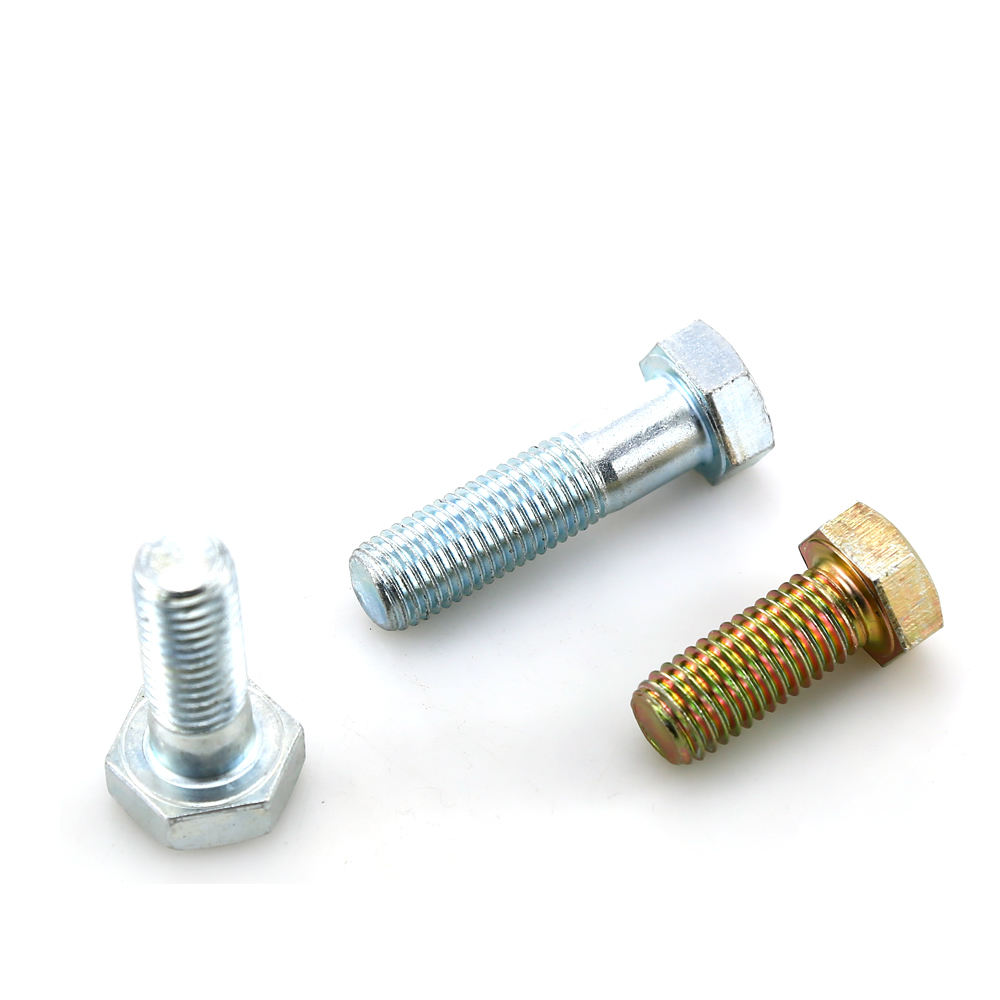
Greenhouse screws act as the binding points between pipes, channels, film-fixing systems, and internal equipment. Their role is not simply to join two components; they must maintain strong, consistent fastening under heat, humidity, wind load, and long-term mechanical vibration.
A well-designed screw transfers load evenly between connected components, preventing movement that could lead to misalignment or structural weakening. When the greenhouse experiences high winds, the stress is absorbed not only by the pipes and connectors but also by the screws anchoring them. Because of this, the reliability of screws directly affects the greenhouse’s lifespan and performance.
How Greenhouse Screws Function Within the Structural System
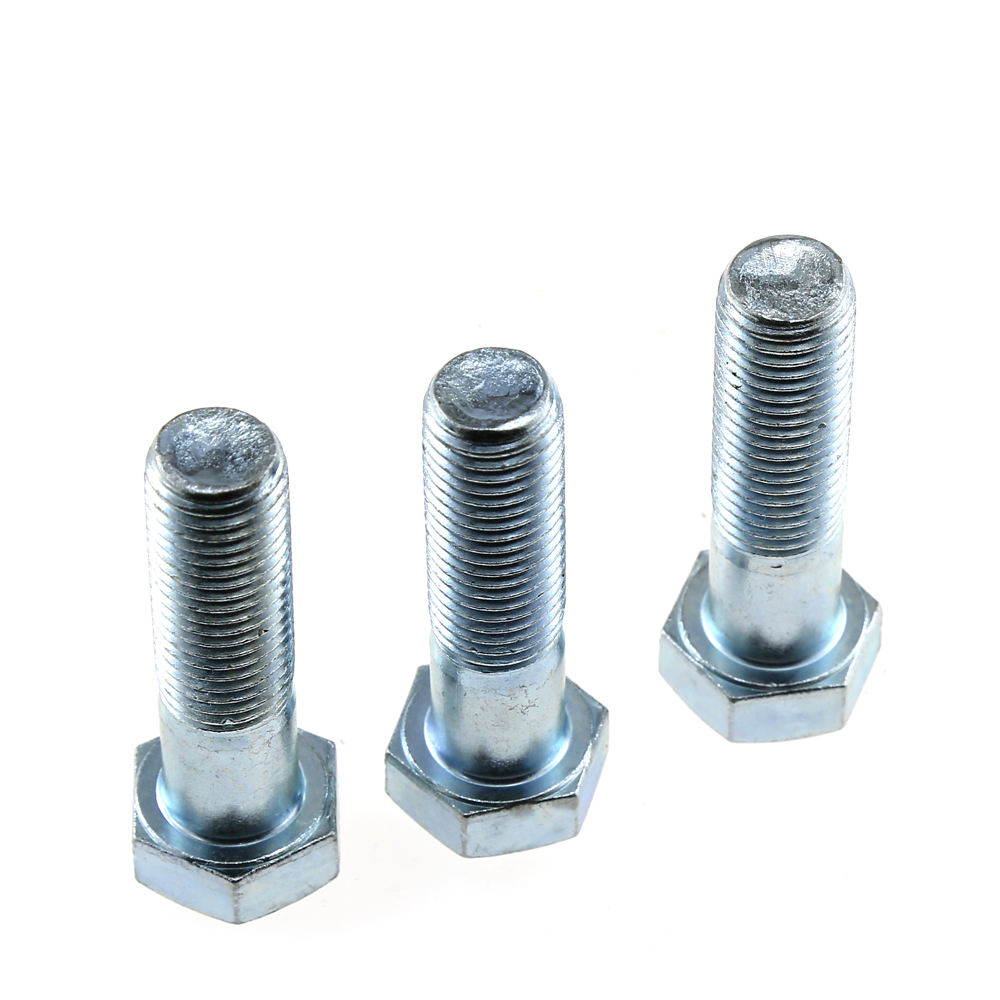
Greenhouse screws do more than secure parts together—they stabilize the entire framework. They prevent brackets and connectors from rotating, slipping, or loosening. This maintains the geometric consistency of the frame and preserves the intended spacing across arches, purlins, and horizontal beams.
In lock channel systems, screws anchor the channel firmly to the frame, ensuring that the greenhouse film remains tensioned. A weak connection in this area could cause the film to loosen or detach during wind events. Screws also secure ventilation systems, shading structures, irrigation lines, and various internal accessories.
Depending on their location, screws may endure constant vibration, thermal expansion, and moisture exposure. Their durability and resistance to corrosion directly impact the structure’s long-term stability.
Types of Greenhouse Screws and Their Functional Differences
Greenhouse screws vary according to purpose and installation requirement. Self-tapping screws are widely used because they can create threads while drilling into metal pipes, making installation quick and secure. Their sharp tips and precise thread design allow them to grip the pipe wall firmly.
Roofing screws are used when attaching components that must resist water exposure, such as sheet metal parts, lock channels, or brackets exposed directly to rain. These screws often include sealing washers to prevent water penetration.
Heavy-duty screws with reinforced threads are used in areas where higher load-bearing capacity is required. They provide stable support for dense accessories or structural parts that undergo higher stress.
Although the differences between screw types may appear minor, each design addresses a specific mechanical need within the greenhouse.
What can I get?
Please leave your contact email, and one of our professional greenhouse engineers will reach out to you within 24 hours.
Material Considerations for Long-Term Reliability
Greenhouse screws must endure frequent temperature changes, moisture, condensation, and corrosion. The most common materials include galvanized steel, which provides a balance of strength and rust resistance. Hot-dip galvanized coatings offer stronger corrosion protection for humid environments or coastal regions.
Stainless steel screws are used when maximum durability is required, particularly in areas with constant exposure to water or fertilizer mist. Their corrosion resistance ensures that joints remain intact over long periods.
Surface treatments, such as zinc plating or anti-rust coatings, also enhance screw longevity. The coating protects the screw from oxidation and improves its performance during wet seasons.
Applications of Screws in Different Greenhouse Systems
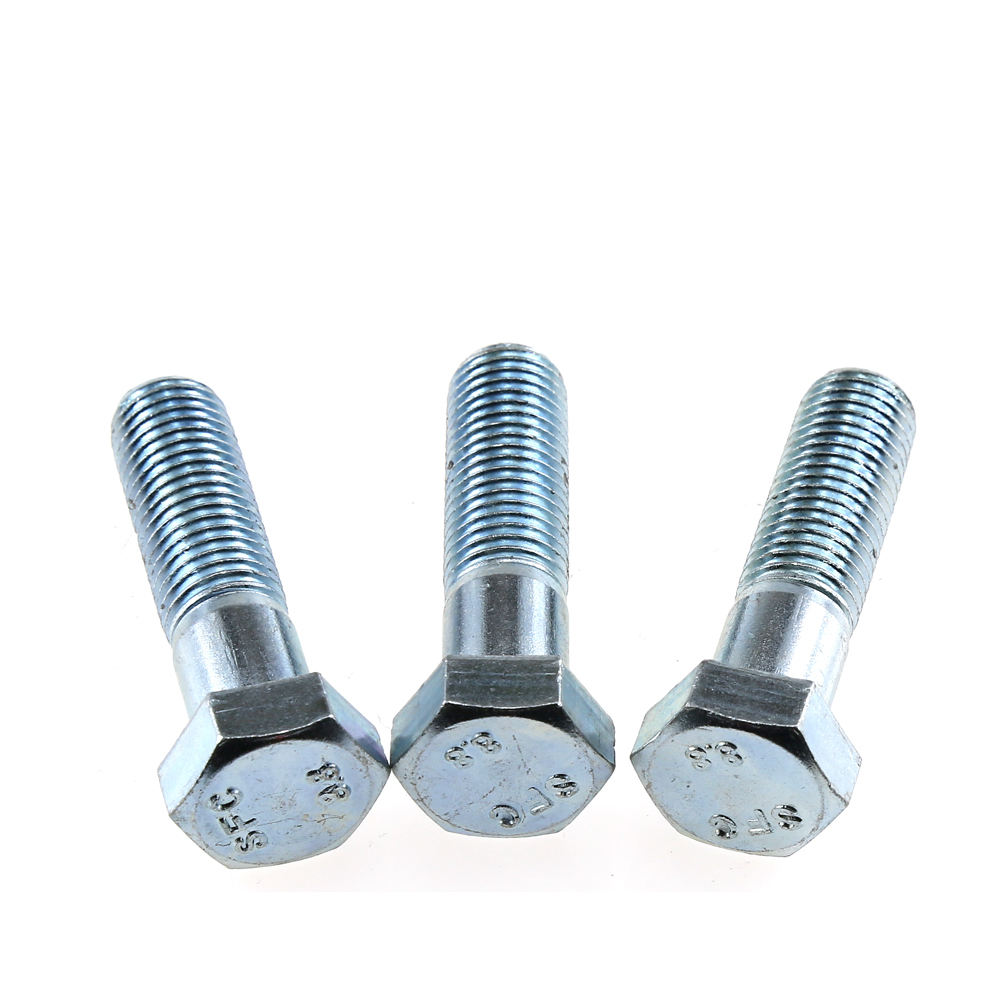
Screws are essential in nearly every part of the greenhouse. They secure brackets and connectors that hold the pipe framework in place. They fasten lock channels used for wiggle wire systems, ensuring that the film remains tightly stretched. In shading systems, screws attach wires, pulleys, and support rods.
Ventilation equipment—such as roll-up systems, fan mounts, and louvers—also depends on screws for stable installation. Without strong fastening points, these moving components may shift or loosen, affecting operational efficiency.
Internally, screws help organize irrigation lines, hang lightweight lighting systems, and support trellis structures. Their versatility makes them indispensable in both structural and functional aspects of greenhouse design.
Installation Principles for Maximum Strength
The effectiveness of greenhouse screws depends not only on their material but also on proper installation. Pipes and mounting surfaces should be clean and dry before fastening to ensure optimal grip. Aligning structural components before drilling prevents misalignment and reduces stress on screw threads.
Applying consistent pressure during installation helps achieve tight fastening without stripping the screw head or damaging the pipe wall. Screws should be inserted at a perpendicular angle unless the design specifically requires angled fastening.
Spacing is equally important. Screws placed too far apart may allow components to move; screws placed too close together may weaken the material or cause uneven load distribution. Proper spacing ensures balanced reinforcement throughout the structure.
Maintenance and Inspection for Long-Term Stability
Although screws are small, they require periodic inspection. Temperature fluctuations can cause expansion and contraction, gradually loosening certain screw joints. Vibrations from wind or internal equipment may also affect fastening strength over time.
Checking screw tightness at the beginning of each growing season helps maintain structural integrity. Any screws showing signs of corrosion or wear should be replaced promptly. This prevents minor issues from evolving into larger structural problems.
Well-maintained screws support longer film lifespan, better wind resistance, and overall safer greenhouse operation.
Conclusion
Greenhouse screws may seem like simple fasteners, but they serve as critical structural anchors that determine how well a greenhouse performs throughout its life cycle. From supporting the frame to stabilizing internal systems, screws ensure that every component remains securely connected.
Understanding screw types, installation techniques, and maintenance practices helps build a greenhouse that is safer, more stable, and more capable of withstanding environmental challenges. With the right screws used in the right positions, a greenhouse becomes a long-lasting and dependable growing environment.