Greenhouse Irrigation System
Table of Contents
Why Choose FANGCHENG?
Customizable, professional, and knowledgeable. We produce cost-effective & high-quality commercial greenhouses.
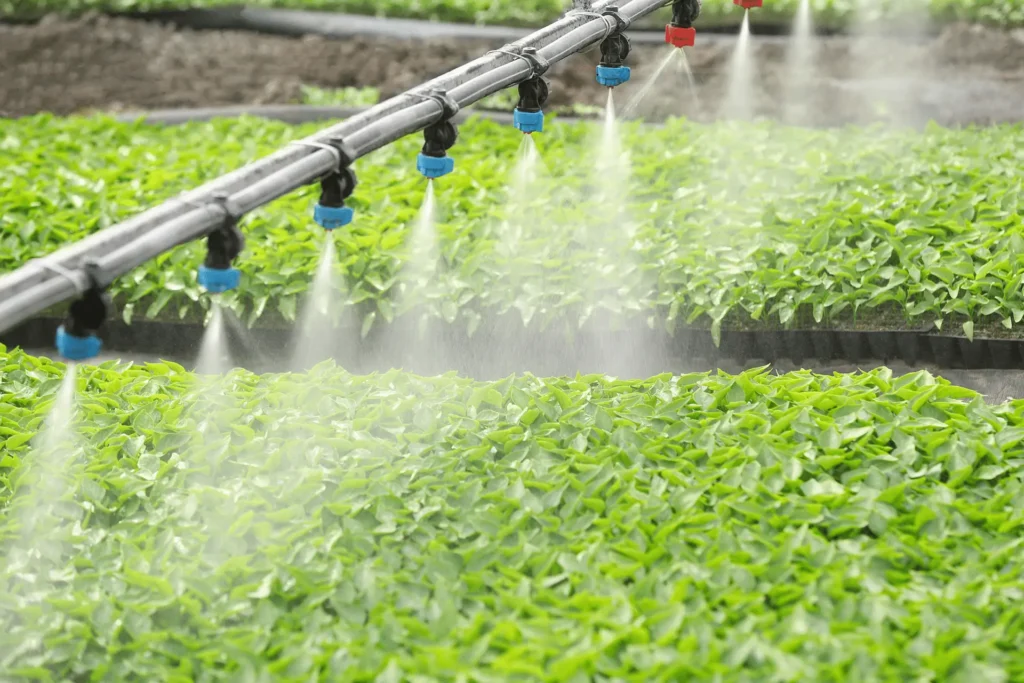
FANGCHENG provides efficient irrigation solutions designed for consistent moisture control and precise nutrient delivery in commercial greenhouses. Our systems include drip lines, micro-sprinklers, overhead sprayers, fogging units, filtration systems, and automated controllers—all engineered for uniform water distribution and reduced waste.
With reliable components and smart layout design, FANGCHENG helps growers achieve stable crop quality and year-round production efficiency.
Greenhouse Irrigation System:
A Complete Guide for Modern Commercial Greenhouses
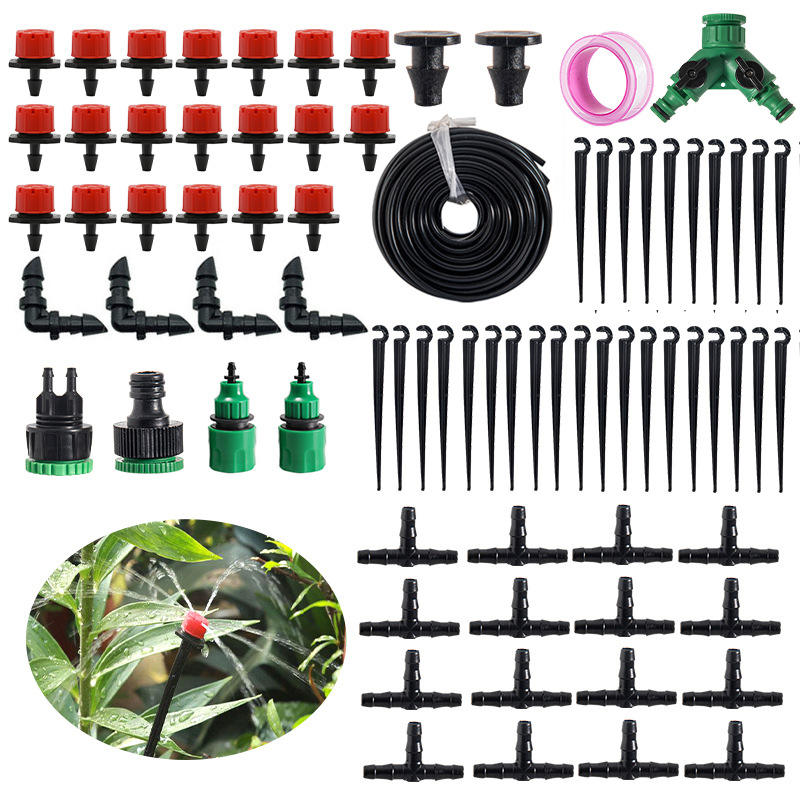
A well-designed irrigation system is one of the most important components of a modern greenhouse. It ensures stable moisture, delivers nutrients efficiently, reduces water waste, and maintains uniform crop growth throughout the production cycle. For commercial greenhouses, nurseries, seedling operations, and high-efficiency agricultural facilities, a reliable irrigation system is fundamental to achieving consistent yields and sustainable production.
This guide explains the importance of greenhouse irrigation, common irrigation methods, system design principles, modern trends such as automation and fertigation, and practical recommendations for professional growers.
Why a Greenhouse Needs a Professional Irrigation System
A greenhouse is a controlled environment, but that also means water management must be more precise compared to open-field cultivation. Temperature, humidity, and evaporation rates vary widely inside a greenhouse, making manual watering insufficient for commercial production.
A proper irrigation system enables:
Precise Water Supply
Uniform water delivery is essential for stable root-zone moisture. Manual watering often leads to inconsistent wetting and dry spots, stressing plants and reducing growth.
Reduced Water Waste
Traditional surface watering or flood irrigation results in significant water loss and poor soil structure. Efficient irrigation minimizes evaporation and runoff.
Integrated Nutrient Delivery
Modern irrigation systems can deliver nutrients directly to the root zone, improving nutrient uptake and supporting strong, uniform crop development.
Scalable and Automated Production
Large greenhouses and nurseries cannot rely on manual labor for watering. Automated irrigation dramatically reduces labor needs and ensures consistent, scheduled water delivery.
Common Irrigation Systems Used in Greenhouses
Different crops, climates, and production styles require different irrigation methods. Below are the most widely used systems in modern greenhouse operations.
Drip Irrigation
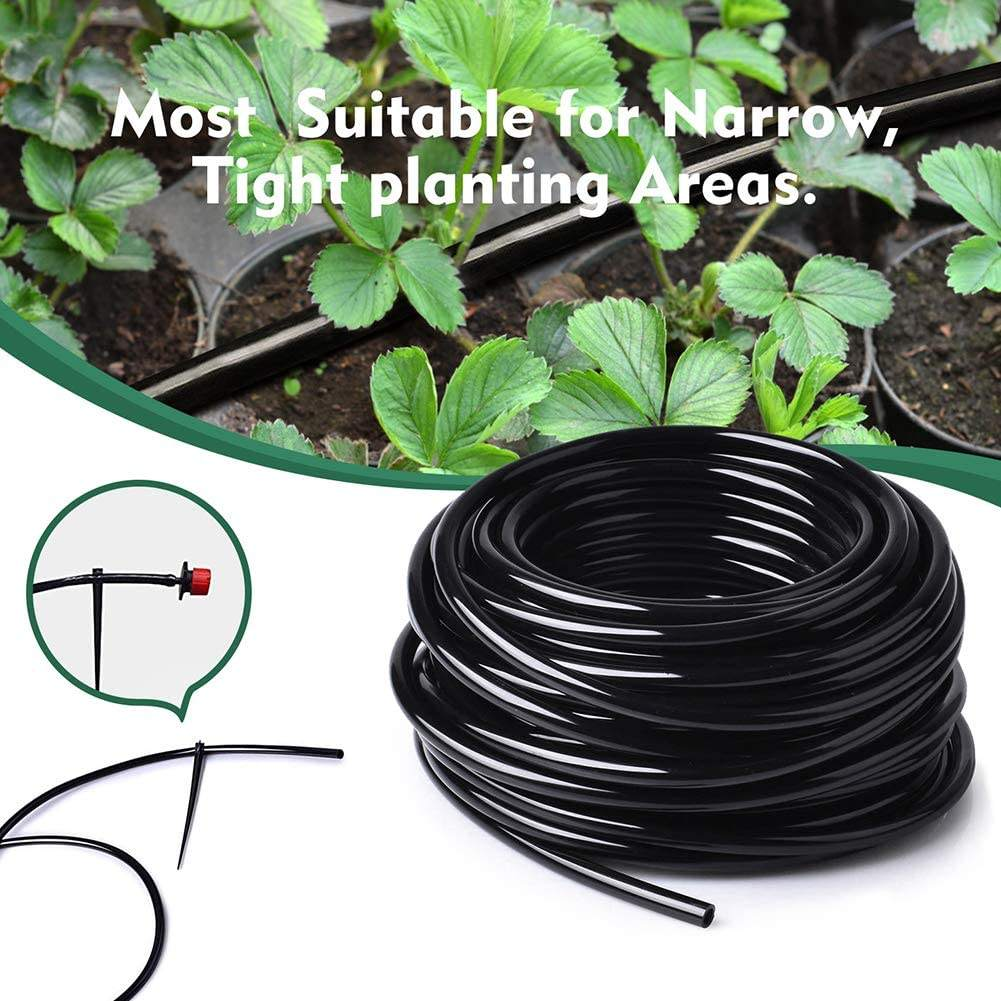
Drip irrigation is the most efficient and widely adopted method in commercial greenhouses. It delivers water directly to the plant’s root zone through drip lines, drip emitters, or drip tape.
Advantages:
- Highly efficient water use with minimal evaporation loss
- Prevents wet foliage, reducing fungal disease risks
- Ideal for fertigation (integrating water and nutrient delivery)
- Suitable for high-density growing and long-cycle crops
Considerations:
- Requires good filtration to prevent emitter clogging
- Incorrect pressure or layout may cause uneven distribution
- Higher installation cost compared to overhead irrigation
Drip irrigation is preferred for vegetables, fruiting crops, flowers, and container-grown plants.
Overhead Sprinklers and Misting Systems
Overhead irrigation uses spray nozzles to distribute water over the crop canopy or growing surface.
Best for:
- Seedlings and germination
- Crops that require higher humidity
- Large surface coverage with flexible setup
Notes:
- May wet foliage, increasing disease risk if ventilation is poor
- Humidity management must be considered
This method is suitable for nurseries, leafy greens, propagation zones, and humidity-dependent crops.
Subirrigation / Bottom Irrigation
Subirrigation systems deliver water from below using capillary action, ebb-and-flow benches, or wicking beds.
Advantages:
- Keeps foliage and soil surface dry
- Efficient water and nutrient recycling
- Highly uniform for container plants and seedling trays
Considerations:
- Requires proper growing media for capillary action
- Needs water recycling management, filtration, and tank maintenance
This method is common for potted plants, ornamentals, nursery crops, and propagation systems.
Key Factors in Designing an Effective Greenhouse Irrigation System
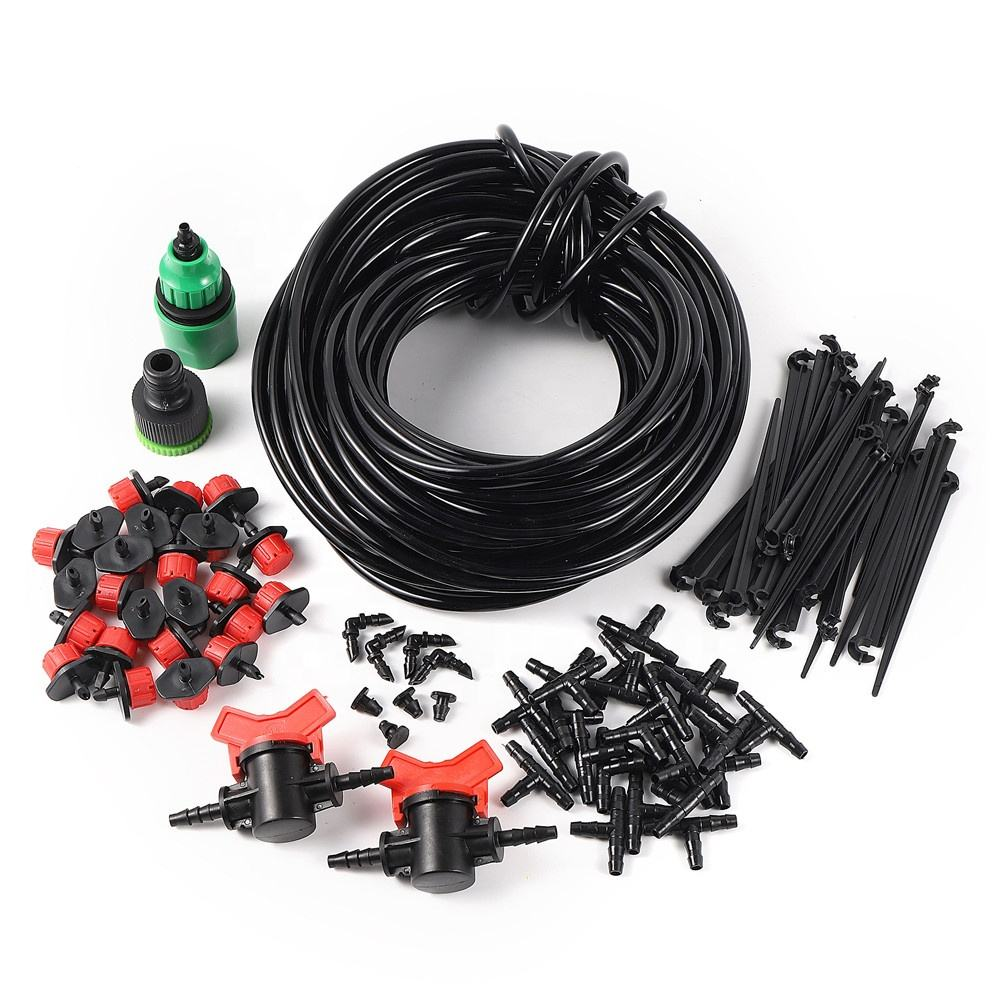
A high-performing irrigation system must be engineered based on crop needs, greenhouse layout, and production goals.
Crop Type and Root Behavior
Different crops require different moisture levels, nutrient strategies, and irrigation frequencies. Seedlings may need misting, while fruiting crops require steady root-zone moisture.
Greenhouse Structure and Growing Method
Single-span, multi-span, container growing, bench cultivation, and high-density plantings call for different irrigation layouts and flow requirements.
Water Quality and Filtration
Filtration is essential, especially for drip irrigation. Poor-quality water increases clogging risks and reduces irrigation uniformity. Proper pressure regulation is also critical.
Automation and Control Systems
Modern irrigation often integrates:
- Moisture sensors
- Automated valves
- Timers
- EC/PH monitoring
- Nutrient dosing systems
Automation ensures accuracy and consistency while reducing labor.
Water Conservation and Sustainability
Efficient irrigation supports long-term sustainability by reducing water waste, recycling nutrient solutions, and lowering operational costs.
Modern Trends in Greenhouse Irrigation
The greenhouse industry is rapidly moving toward smarter, more efficient irrigation solutions.
Smart and Automated Irrigation
Sensors and controllers adjust irrigation based on crop needs, environmental conditions, and soil moisture levels, enabling precise water management.
Closed-Loop Water Recycling
Filtration, UV sanitation, and recirculation systems help reclaim excess water, making irrigation more sustainable and cost-efficient.
Integrated Fertigation Systems
Combining irrigation and nutrient delivery improves nutrient uptake and supports uniform crop growth.
Modular and Scalable System Design
Systems are increasingly built for flexibility—easy to expand, reconfigure, or adapt to new crop types and production areas.
What can I get?
Please leave your contact email, and one of our professional greenhouse engineers will reach out to you within 24 hours.
Best Practices for Maintaining a Greenhouse Irrigation System
Proper maintenance keeps the system efficient and prevents crop damage:
- Clean filters and flush lines regularly
- Inspect emitters, nozzles, and valves for clogging
- Monitor water pressure and distribution uniformity
- Maintain fertigation and dosing equipment
- Calibrate sensors and controllers routinely
- Prevent algae buildup in trays, tanks, and pipes
Regular upkeep ensures long-term reliability and consistent performance.
Conclusion
A greenhouse irrigation system is more than just a method of watering—it is a core part of environmental control, nutrient management, and yield optimization. By choosing the right irrigation method, designing the system properly, integrating automation, and performing regular maintenance, growers can achieve:
- Higher water-use efficiency
- Better crop uniformity
- Reduced disease risks
- Lower labor costs
- Predictable yields
- Sustainable long-term production
A well-engineered and well-maintained irrigation system is essential for any modern greenhouse aiming for efficient and reliable agricultural production.
FAQs About Greenhouse Irrigation System
1. What is a greenhouse irrigation system?
A system that delivers water to plants in a controlled, efficient way using tools like drip lines, sprinklers, or subirrigation.
2. What is the best irrigation system for a greenhouse?
Drip irrigation is generally the best because it saves water, reduces disease risk, and delivers moisture directly to the roots.
3. What is the best way to irrigate a greenhouse?
Use a precise, automated system—usually drip or subirrigation—to ensure consistent, uniform watering.
4. What are the 4 types of irrigation systems?
Drip irrigation, overhead sprinklers, misting systems, and subirrigation.