Greenhouse Film Supplier in China
Table of Contents
Why Choose FANGCHENG?
Customizable, professional, and knowledgeable. We produce cost-effective & high-quality commercial greenhouses.
FANGCHENG supplies high-quality greenhouse films for commercial farms, nurseries, flower houses, and large agricultural projects. Our films are durable, UV-stabilized, and engineered to deliver optimal light transmission, heat retention, and crop protection.
We offer multiple film options—including clear, diffused, thermal, anti-drip, and blackout films—customized to different crops, climates, and greenhouse structures.
Greenhouse Film:
A Complete Guide for Modern Greenhouses
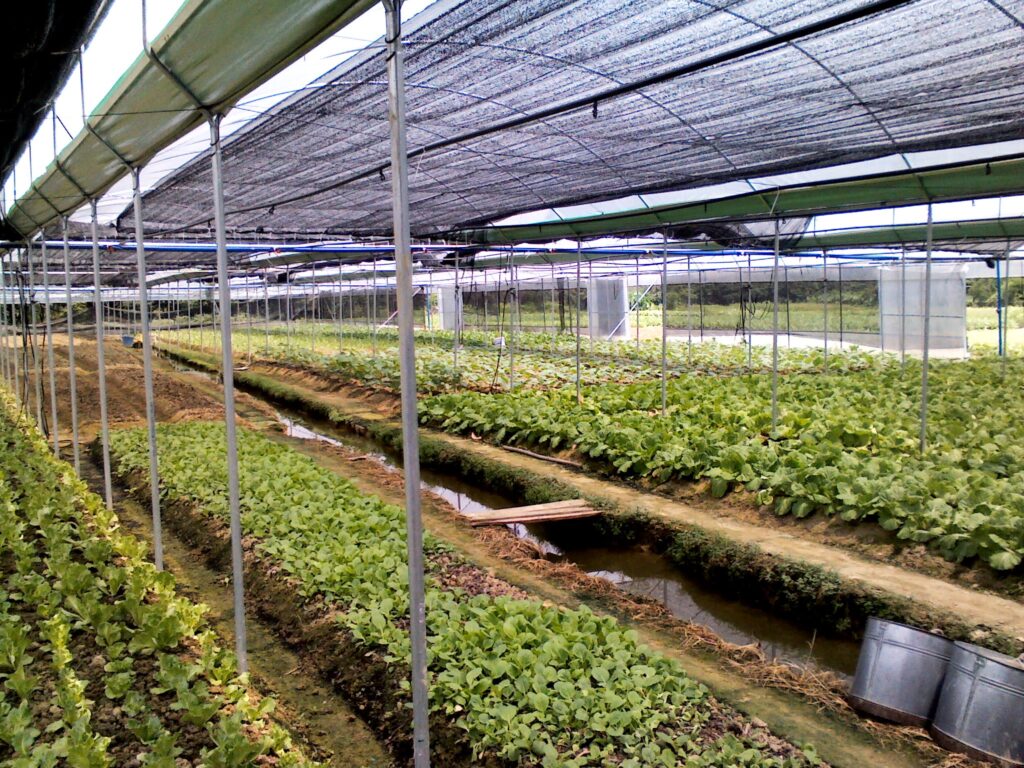
A greenhouse film is one of the most critical components in a greenhouse structure. It determines how much light enters the growing space, how much heat is retained, and how well crops are protected from wind, rain, and UV radiation. The right film creates a controlled environment that supports strong, consistent plant growth throughout the year.
What Is Greenhouse Film?
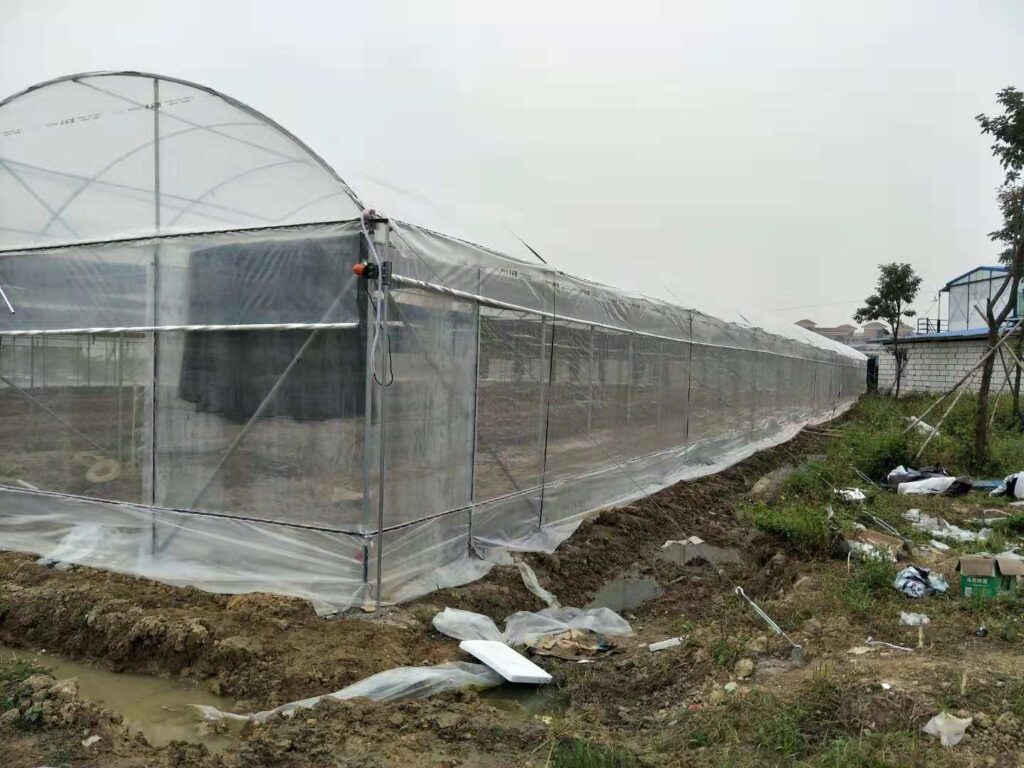
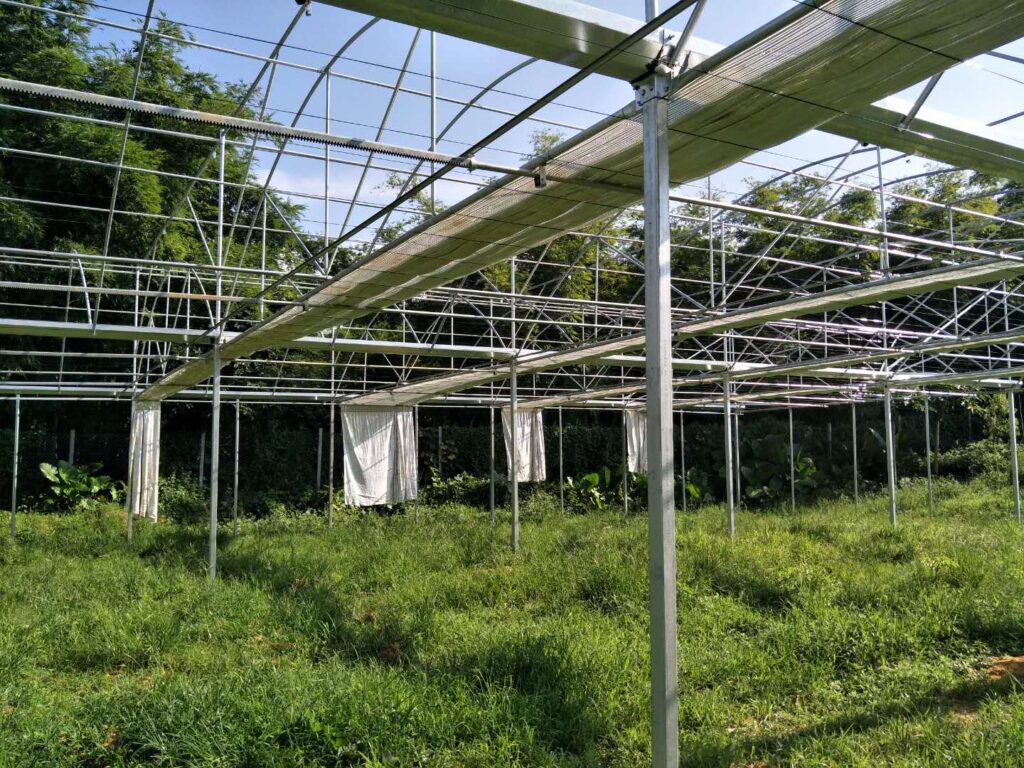
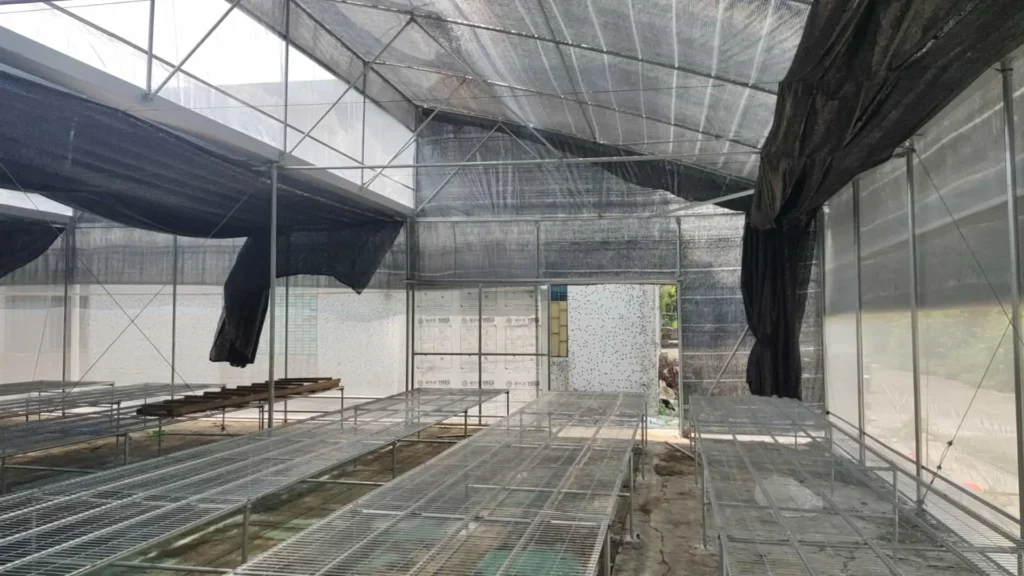
Greenhouse film is a specialized polyethylene (PE) covering used to enclose greenhouse frames. Modern agricultural films are produced through multi-layer co-extrusion technology, allowing different functional additives—such as UV stabilizers, IR materials, anti-drip coatings, and light-diffusing agents—to be combined into a single, high-performance film.
These films are flexible, lightweight, cost-effective, and suitable for both small and large-scale greenhouses. They serve as the first barrier against weather conditions and directly affect the greenhouse’s internal climate.
What can I get?
Please leave your contact email, and one of our professional greenhouse engineers will reach out to you within 24 hours.
Why Greenhouse Film Matters
Light, temperature, humidity, and air movement are the core variables that influence crop performance. Greenhouse film sits at the center of this system:
- It determines how sunlight interacts with the plants.
- It impacts how fast the greenhouse heats up and how slowly it cools at night.
- It influences condensation levels, which affect disease risks.
- It affects energy consumption by controlling infrared heat escape.
The better the film’s optical and thermal properties, the more stable and productive the greenhouse environment becomes.
How Greenhouse Film Supports Crop Growth
1. Light Transmission and Distribution
Different crops require different light intensities. Clear films deliver high PAR transmission for fast-growing vegetables and seedlings. Diffused films improve light penetration deeper into the canopy, reducing shadows and improving uniformity across large greenhouse spaces.
2. UV and Weather Protection
UV-stabilized films extend lifespan under strong sunlight. They protect crops from harmful ultraviolet radiation and maintain film flexibility even in harsh climates.
3. Temperature Regulation
Thermal (IR-blocking) films reduce nighttime heat loss, keeping the greenhouse warmer during cold seasons. Stable nighttime temperatures improve early-season seedling strength and reduce energy consumption.
4. Moisture & Condensation Control
Anti-drip and anti-fog properties prevent water droplets from falling onto crops, improving light transmission and reducing disease outbreaks related to moisture stress.
5. Season-Long and Year-Round Climate Control
By modifying the light spectrum, temperature retention, and humidity behavior inside the greenhouse, film selection directly influences crop timing, yield potential, and market consistency.
Factors to Consider When Choosing Greenhouse Film
Choosing the right film requires understanding crop needs, regional climate, and greenhouse structure:
Crop Type
Leafy greens, tomatoes, flowers, and seedlings may require different light environments.
Local Climate
Hot, humid areas benefit from diffused or shade-enhancing films; cold areas need thermal films.
Greenhouse Size & Height
Larger structures may require films with better strength and light-diffusing performance.
Expected Lifespan
Films are available in 1–5 year ratings based on UV load and thickness.
Condensation Issues
High-humidity regions benefit from anti-drip coatings.
Light Management Strategy
Clear for maximum light, diffused for balanced light, blackout for photoperiod control.
Selecting the right combination improves crop quality while lowering operational costs.
Installation & Maintenance Tips
Proper installation extends the performance and lifespan of greenhouse films:
- Ensure the film is tightly stretched to prevent wind damage.
- Avoid contact with sharp edges to prevent punctures.
- Clean dust and dirt periodically to maintain light transmission.
- Replace worn films before structural brittleness develops.
- Avoid chemicals or oils that may degrade PE material.
Good installation practices can extend film life by an additional growing season.
Conclusion
Greenhouse film plays a central role in modern protected agriculture. By choosing the right film and integrating it into the greenhouse’s climate strategy, growers can improve light efficiency, stabilize temperatures, reduce disease pressure, and significantly increase yields.
Whether the goal is to grow vegetables, flowers, seedlings, berries, or high-value specialty crops, a well-selected greenhouse film forms the foundation of a productive, energy-efficient greenhouse environment.
FAQs About Greenhouse Film
What are greenhouse films?
Greenhouse films are polyethylene coverings designed to control light, temperature, and humidity inside a greenhouse. They protect crops from UV radiation, wind, and rain while improving growing conditions for year-round production.
What is the best film for a greenhouse?
The best film depends on crop type and climate. Clear films offer high light transmission, diffused films improve light distribution, and thermal films help retain heat. Growers choose based on sunlight, temperature needs, and production goals.
What is greenhouse plastic called?
Greenhouse plastic is commonly called PE film or polyethylene film. In commercial agriculture, it may also be referred to as greenhouse covering, horticultural film, or agricultural plastic.
Is film the same as plastic?
All greenhouse films are made from plastic, but not all plastic is suitable for greenhouse use. Greenhouse film is a specialized type of plastic engineered with UV stabilizers, thermal additives, and optical properties for crop production.