
Greenhouse Brackets
Table of Contents
Why Choose FANGCHENG?
Customizable, professional, and knowledgeable. We produce cost-effective & high-quality commercial greenhouses.
We are a professional China greenhouse brackets manufacturer and supplier, offering durable metal brackets for greenhouse frame connections, purlin support, and structural reinforcement. Our factory provides reliable quality, multiple sizes, and long-lasting materials for all types of greenhouse projects.
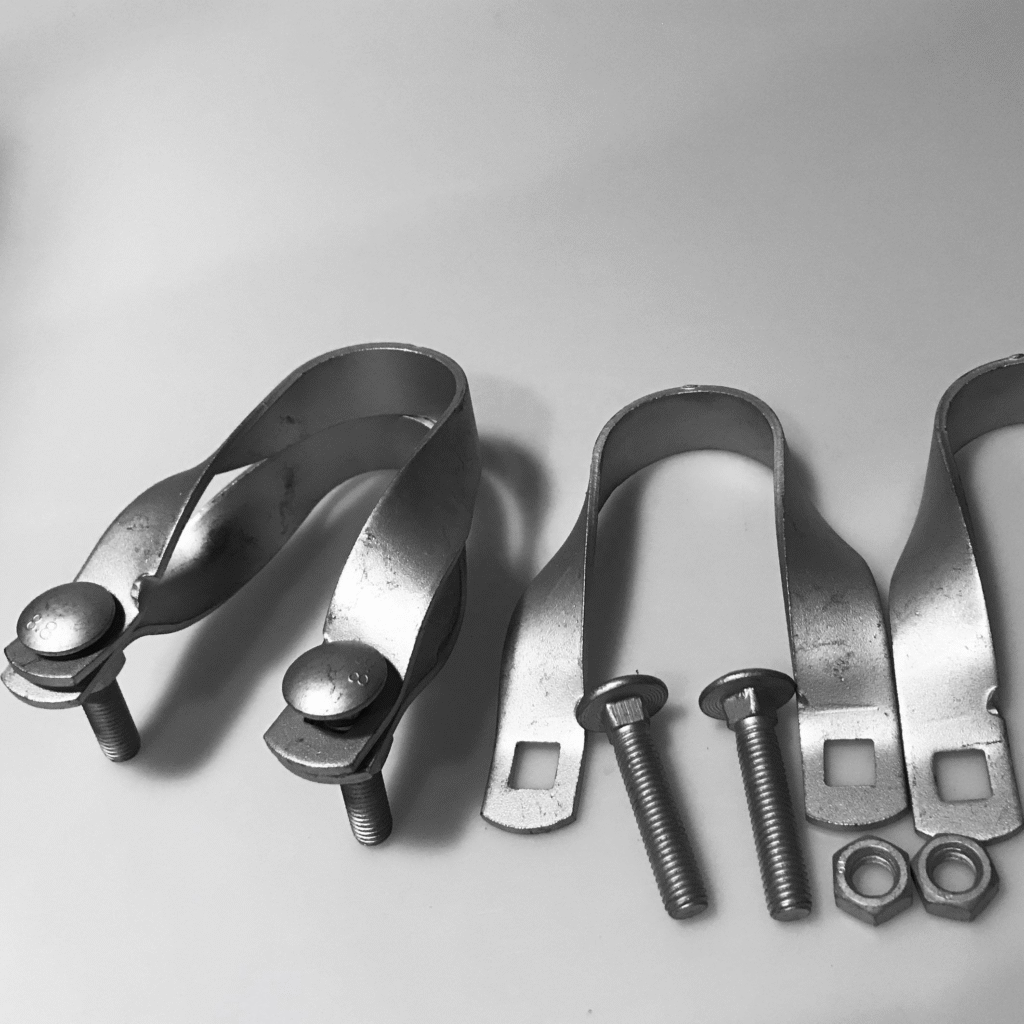
What Are Greenhouse Brackets?
Greenhouse brackets are structural components used to connect, support, and reinforce various parts of a greenhouse frame. They help stabilize arches, purlins, beams, and other structural members, ensuring the greenhouse remains firm and secure under daily and seasonal environmental conditions.
Most brackets are made from galvanized steel, stainless steel, or aluminum alloy. These materials are chosen for their strength, corrosion resistance, and ability to withstand long-term outdoor exposure. The design of a greenhouse bracket varies depending on its position in the structure and the type of connection it needs to support.
Greenhouse brackets may appear simple, but they are among the most critical hardware pieces in any greenhouse system. Their quality and design directly influence the durability and stability of the entire structure.
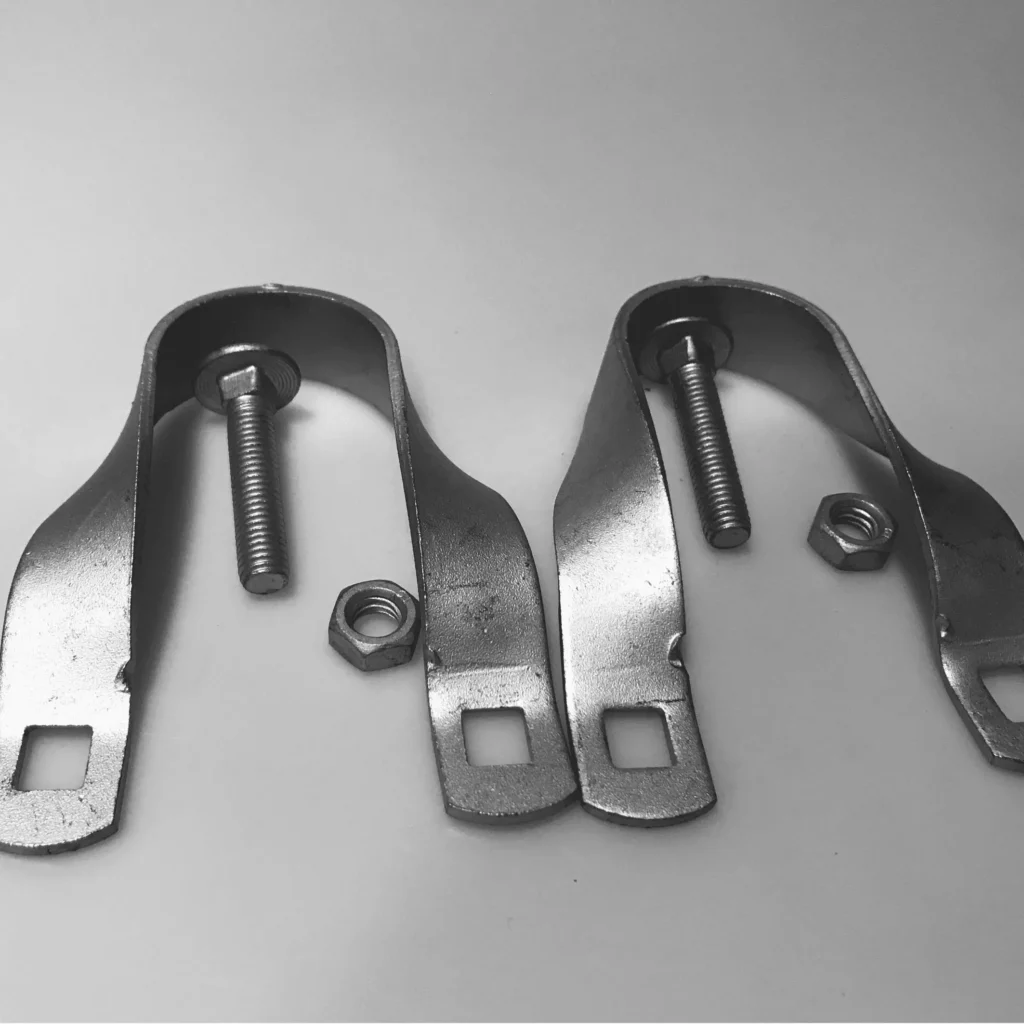
Why Greenhouse Brackets Are Important
A greenhouse is constantly exposed to wind, sunlight, humidity, and temperature changes. Over time, these forces put pressure on the frame, especially at connection points. Greenhouse brackets reinforce these points, distributing load and preventing deformation of the structure.
When brackets are used correctly, the greenhouse maintains a more rigid shape. This helps the covering materials remain tensioned and prevents unnecessary movement that can lead to damage. A stable frame also improves the greenhouse’s insulation performance, supporting better temperature control inside the growing environment.
Reliable brackets reduce the need for frequent adjustments and repairs. They help ensure that the frame remains aligned, especially in larger greenhouses where even a small structural shift can affect the overall performance.
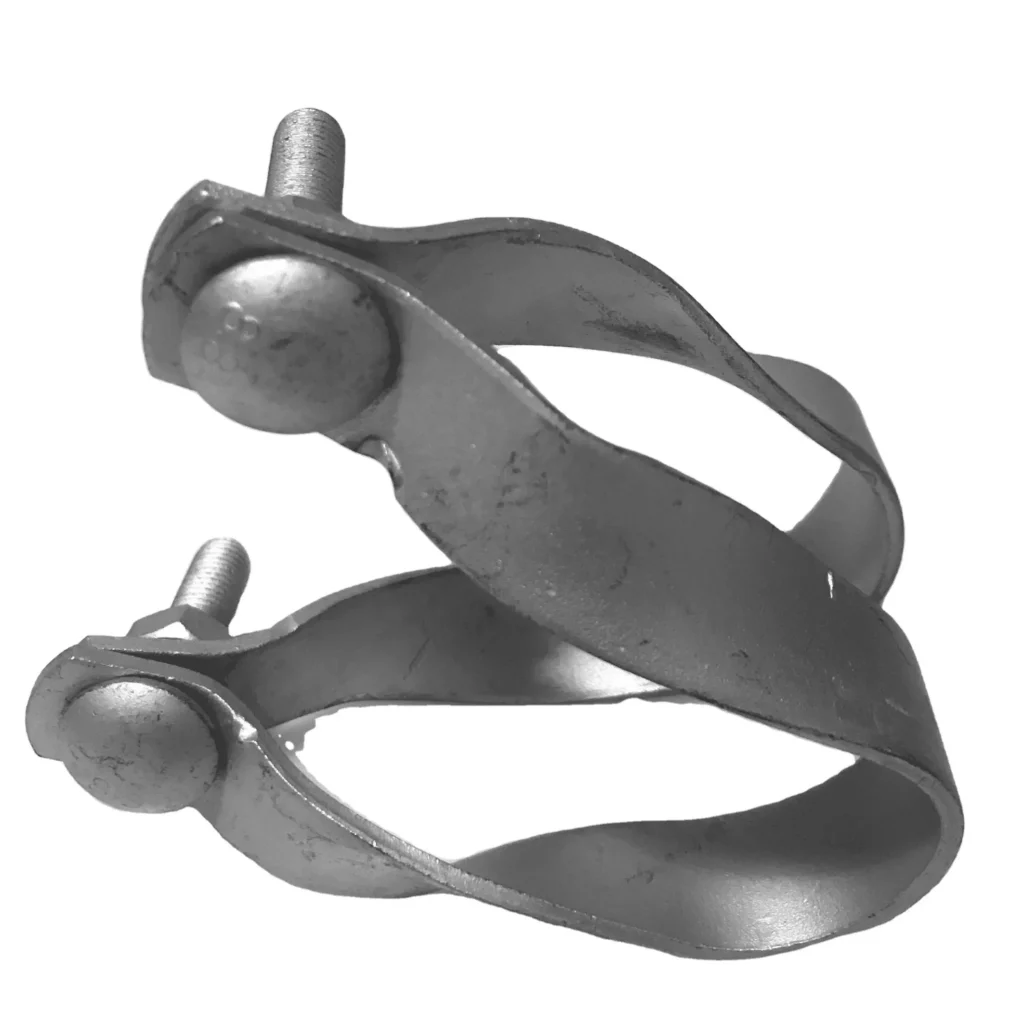
Common Types of Greenhouse Brackets
Greenhouse brackets come in different shapes and configurations depending on their function. Pipe connection brackets link round pipes or square tubes at various angles, allowing the greenhouse frame to maintain its intended geometric structure. They are essential for forming arches and supporting roof lines.
Purlin brackets hold horizontal beams in place, ensuring that the roof remains evenly supported. These brackets help distribute weight and prevent the roof from sagging or shifting under wind pressure.
Corner brackets reinforce joints at the edges of the greenhouse. They provide additional strength where multiple structural elements meet, helping the greenhouse resist twisting or bending during storms or heavy loads.
Support brackets are used inside the greenhouse for accessories such as shading systems, irrigation lines, or ventilation components. They help keep internal systems organized and securely attached without interfering with crop space.
Bracket designs may vary slightly from one greenhouse model to another, but their purpose remains consistent: providing strong, stable, and long-lasting support.
Applications of Greenhouse Brackets
Greenhouse brackets are used throughout a greenhouse’s structural framework. They stabilize the arches that form the main shape of the greenhouse and hold purlins that run along the roof. By securing these elements, brackets help maintain equal spacing and alignment across the entire structure.
Brackets also play a key role in sidewall and end-wall construction. They hold pipes and beams that support doors, vents, and film surfaces. A strong end-wall connection ensures that the greenhouse remains stable even in high winds.
Inside the greenhouse, brackets help support shading nets, cooling pads, circulation fans, and irrigation systems. They provide reliable attachment points without compromising the structural integrity of the frame.
Whether the greenhouse is small or large, brackets ensure that all parts of the structure remain aligned and firmly connected, contributing to overall efficiency and durability.
What can I get?
Please leave your contact email, and one of our professional greenhouse engineers will reach out to you within 24 hours.
Key Factors When Choosing Greenhouse Brackets
Choosing the right greenhouse bracket depends on several factors. The first is material strength. Galvanized steel brackets offer excellent resistance to rust and are widely used in greenhouses located in humid or rainy regions. Stainless steel provides even higher corrosion resistance and is suitable for long-term projects. Aluminum brackets are lightweight and easy to install, although they may not be as strong as steel in high-stress areas.
Bracket size must match the pipe diameter used in the greenhouse frame. A bracket that is too loose will not provide adequate support, while one that is too tight may damage the pipe during installation.
The shape of the bracket should align with the specific structural position. Brackets designed for roof purlins are different from those used for corner joints or vertical supports. Choosing a bracket that fits the intended location ensures both safety and long-term durability.
Weather conditions also influence bracket selection. In areas prone to strong winds, brackets should have reinforced construction and stronger fastening points. For regions with high humidity or salt exposure, corrosion-resistant materials are essential.
Installation Tips for Effective Structural Support
Proper installation of greenhouse brackets begins with ensuring that all pipes and frame components are clean and aligned. Dirt or rust on the connection points can affect how well the bracket grips the pipe. Before tightening, the structure should be visually checked to ensure proper alignment and spacing.
Brackets should be tightened gradually to prevent uneven pressure on the frame. Over-tightening may deform the pipes, while under-tightening may result in loose joints. A balanced approach ensures both safety and structural integrity.
After installation, regular inspections are important. Seasonal changes, wind, and humidity can gradually loosen connection points. Checking brackets periodically and tightening them when needed helps maintain overall stability.
Replacing damaged or corroded brackets promptly prevents further deformation of the greenhouse structure. A proactive maintenance approach ensures that the greenhouse remains strong and functional for many years.
Conclusion
Greenhouse brackets may not be as visible as film, pipes, or shading systems, but they are essential components that determine how well a greenhouse performs. By connecting and reinforcing key structural points, brackets ensure stability, durability, and safety across the greenhouse’s entire lifespan.
Understanding the types of brackets, their functions, and their installation requirements helps growers and builders design stronger and more reliable greenhouse structures. With the right brackets and proper maintenance, a greenhouse can withstand environmental challenges and provide a stable environment for healthy crop growth.