Table of Contents
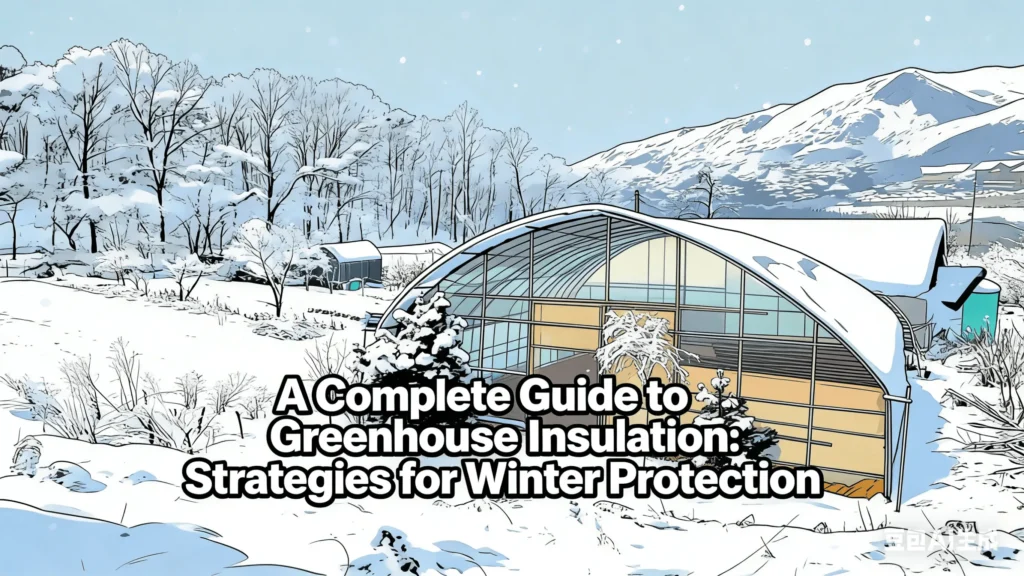
When winter arrives, a greenhouse becomes more than just a growing space. It turns into a frontline defense against cold stress, frost damage, and rising energy costs. Many growers focus on heating systems, but insulation is often the more cost-effective and reliable solution.
Proper greenhouse insulation helps protect crops during freezing nights, extends the growing season well into colder months, and significantly reduces heat loss. Compared with relying solely on heaters, insulation lowers fuel consumption and keeps operating costs under control. Without it, even powerful heating systems can become inefficient and expensive.
In short, insulation is not an optional upgrade. It is a core strategy for winter greenhouse management.
The Core Principle: Insulating with Air
Dead Air Space: The Hidden Insulator
The key to effective greenhouse insulation is trapped air. Still air acts as a natural thermal barrier, slowing down heat transfer between the warm interior and the cold outside.
This principle is used in many greenhouse designs, from double-glazed glass to layered plastic films. Whether the structure uses glass, polycarbonate, or polyethylene film, insulation performance improves dramatically when air is captured between layers and prevented from circulating.
Upgrading the Cladding
Option 1: Double Poly Film
One of the most cost-effective insulation upgrades for greenhouses is a double-layer polyethylene film system.
This setup uses two layers of plastic film with a small inflation blower continuously pushing air between them, creating a stable air cushion.
Key advantages include:
High insulation value (R-value up to 1.5)
Light transmission remains high, often around 90%
Low material cost and easy installation
The main consideration is electricity. The inflation fan must run continuously to maintain air pressure between the layers.
Option 2: Twin-Wall Polycarbonate
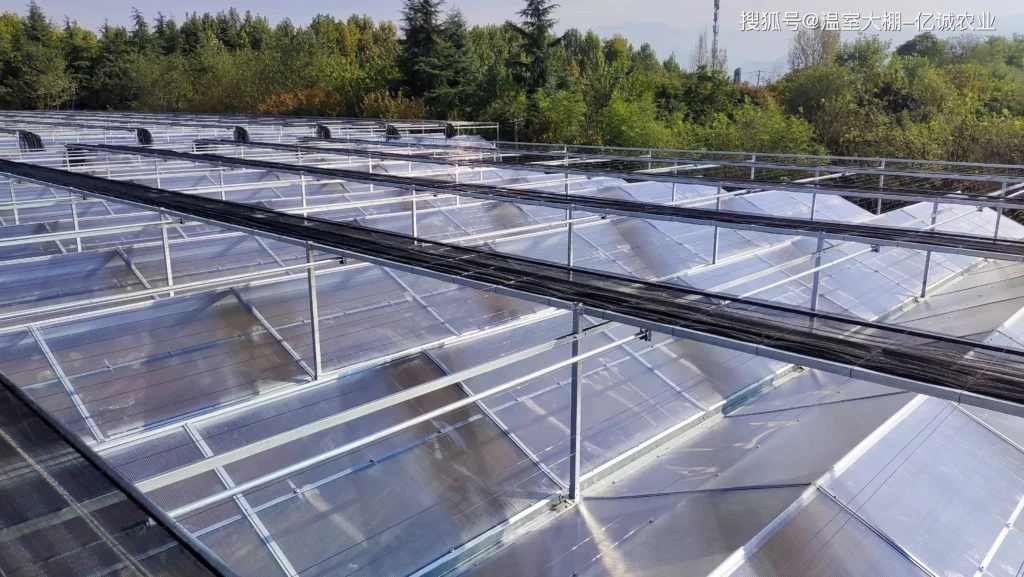
For more permanent structures, twin-wall polycarbonate panels provide excellent insulation and durability.
These rigid panels trap air within internal channels and are commonly used on greenhouse end walls or full structures in colder regions.
Why growers choose twin-wall polycarbonate:
Higher R-value (around 1.7 or more)
Strong resistance to wind and snow loads
Long service life with minimal maintenance
This solution is especially suitable for end walls, where heat loss is often the greatest.
Sealing and Draft Proofing: Stop Heat from Escaping
Seal the Base Perimeter
One of the most overlooked sources of heat loss is the gap between the greenhouse structure and the ground. Cold air can easily infiltrate through these openings.
Effective solutions include burying the plastic skirt, installing ground boards, or sealing the base with compacted soil or insulation materials. A tight perimeter seal prevents constant cold drafts from entering the greenhouse.
Cover Unused Openings
Doors, vents, and old intake openings can develop small cracks over time. During winter, any opening not in use should be sealed.
Growers often use leftover greenhouse film or rigid panels, secured with fasteners or framing, to block unused vents and reduce unwanted air exchange.
Supplemental Interior Insulation
Bubble Wrap Insulation
Horticultural-grade bubble wrap is a popular interior insulation option, especially for hobby and small commercial greenhouses.
Unlike standard packaging bubble wrap, horticultural bubble film is UV-stabilized and designed for long-term greenhouse use.
Best practices for installation:
Install after the main structure is completed
Minimize seams and overlaps to reduce heat loss
Attach from the top down using clips or wires
When installed correctly, bubble wrap insulation can reduce heating demand by up to 35%.
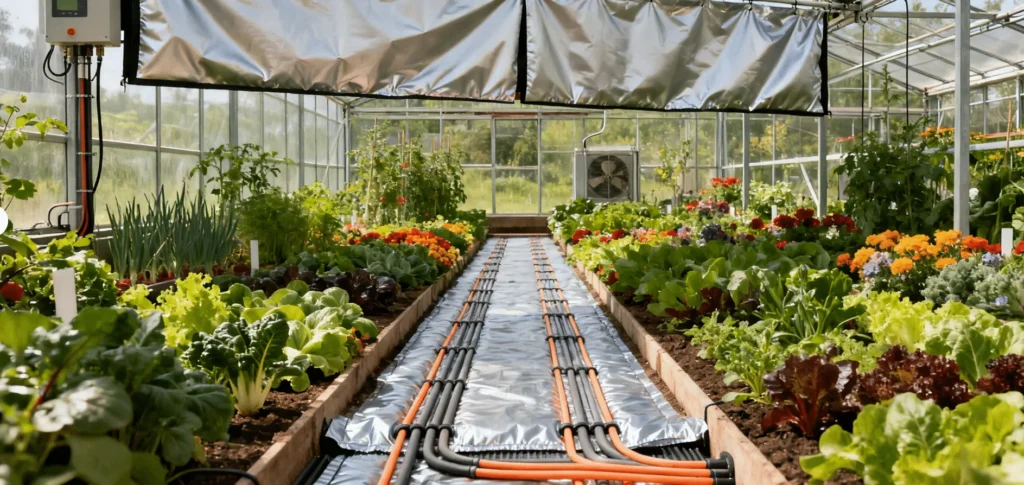
Thermal Insulation Foil
Reflective insulation foil works by reflecting radiant heat back into the greenhouse interior.
It is most effective when installed on cold-facing walls, behind benches, or under planting tables—areas that receive little sunlight but lose significant heat.
Heat Retention Curtains
Thermal curtains are typically installed near the greenhouse roof and closed at night to trap warm air.
During the day, they can be opened to allow full sunlight penetration. This method is widely used in commercial greenhouses to balance insulation and light management.
Please leave your contact email, and one of our professional greenhouse engineers will reach out to you within 24 hours.
Crop-Level Protection
Frost Blankets and Floating Row Covers
Even with a well-insulated greenhouse, additional protection at the crop level can make a critical difference.
Floating row covers or frost blankets are laid directly over plants, creating a small pocket of warm air around the crop canopy.
Benefits of crop-level protection:
Reduces cold stress during extreme temperature drops
Protects sensitive crops without additional heating
Allows light and air exchange while retaining warmth
Thicker materials provide more insulation but slightly reduce light transmission, so selection should match crop requirements.
Trade-Offs and Maintenance
Insulation is not without compromises. Additional layers can slightly reduce light transmission, which may affect plant growth if not managed carefully.
Moisture control is another concern. Poor ventilation combined with heavy insulation can lead to condensation, increasing disease pressure. Balancing insulation with proper airflow is essential, especially during sunny winter days.
Regular inspections are also important. Seals, films, and insulation materials should be checked for damage, gaps, or aging before each winter season.
Conclusion: Build a System, Not a Single Solution
There is no single “best” greenhouse insulation method. The most effective winter protection comes from combining multiple strategies.
A well-insulated greenhouse often includes:
Double-layer cladding for dead air insulation
Tight sealing at the base and unused openings
Interior insulation where needed
Crop-level protection for sensitive plants
By choosing solutions that match your climate, budget, and crop needs, greenhouse insulation can dramatically reduce heating costs, protect plants, and ensure safe, productive winter growing.
With the right insulation system in place, winter becomes a manageable season rather than a growing barrier.