 跳至内容
跳至内容 
Professional Greenhouse
Environmental Assessment
A successful greenhouse begins with a clear understanding of the environment in which it will operate. Our environmental assessment process allows us to evaluate local climate conditions, site characteristics, and crop requirements before any design work begins. This ensures that every greenhouse we build is suited to its location and delivers stable year-round performance.
Climate Data Collection
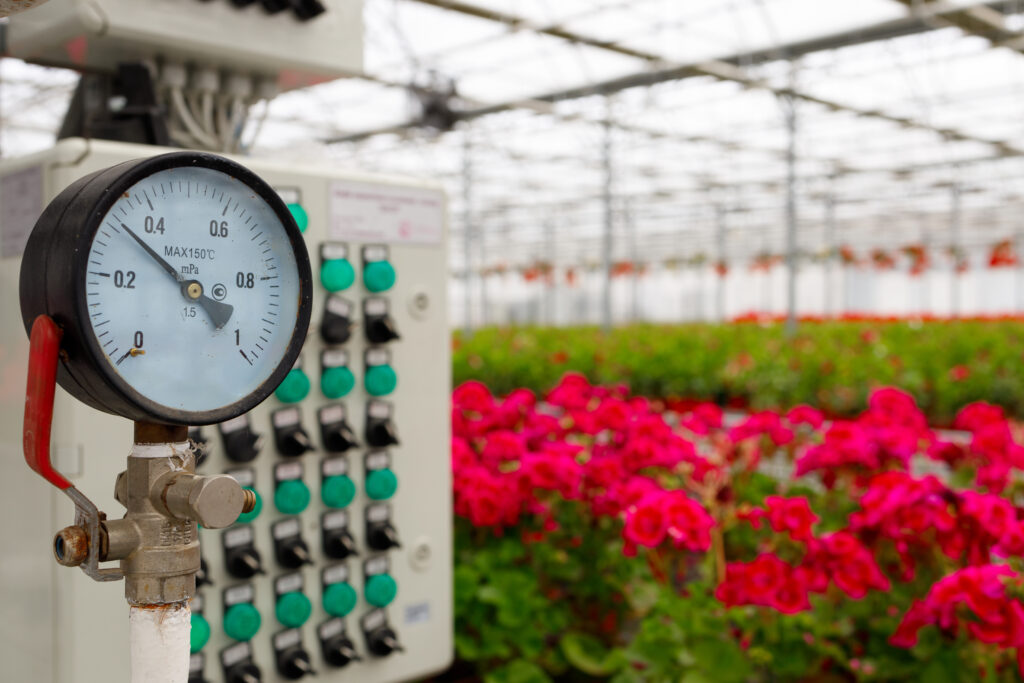
We gather detailed climate information for your region, including yearly temperature ranges, humidity levels, rainfall patterns, wind speed, sunlight intensity, and seasonal variations. This provides a scientific foundation for choosing the right greenhouse structure and climate control systems.

Site Condition Evaluation
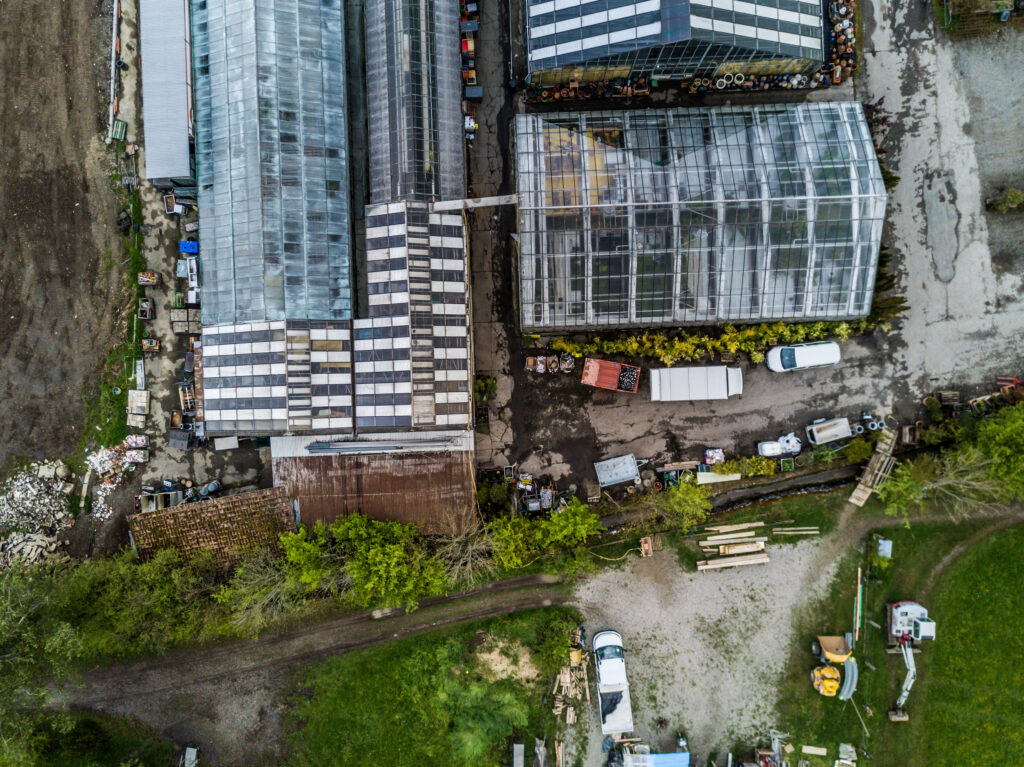
We analyze the physical characteristics of your project site. This includes soil conditions, water availability, drainage, terrain, surrounding buildings or obstacles, and noise or dust exposure. Understanding the site helps us plan proper foundations, drainage, and airflow routes.
Environmental Load Analysis
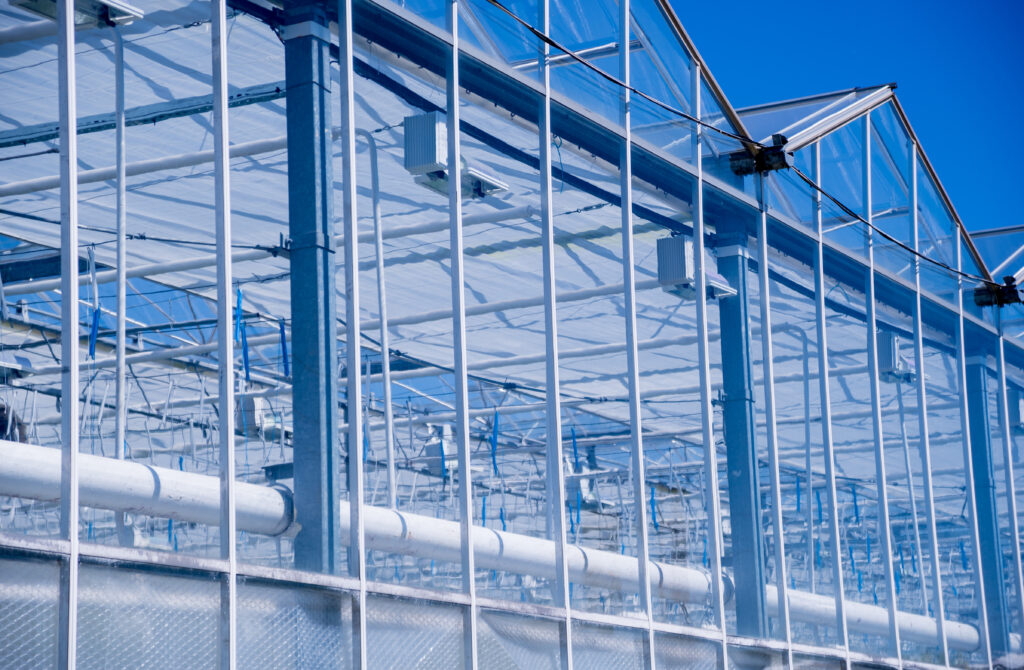
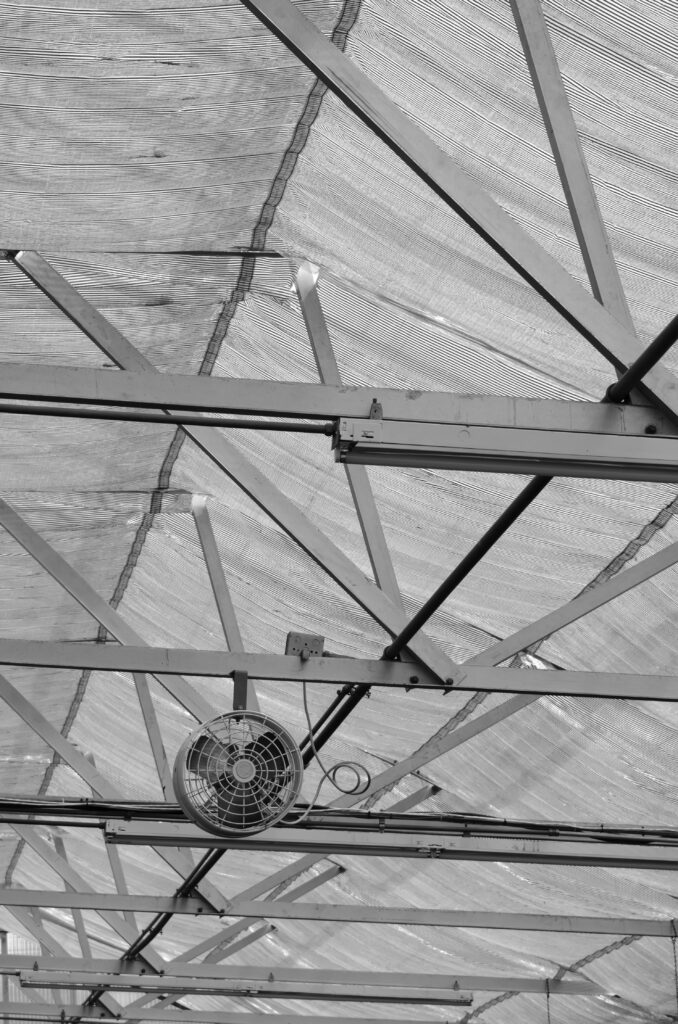
Each location has unique environmental pressures. We calculate the required wind load, snow load, and structural strength based on local engineering standards. This ensures your greenhouse frame is safe, secure, and durable under all expected weather conditions.

Material Specifications & Installation Guidance
Each drawing package includes a corresponding material list, component specifications, and basic installation guidance. This helps your team prepare materials correctly and complete construction smoothly without guesswork.
Crop Requirement Assessment
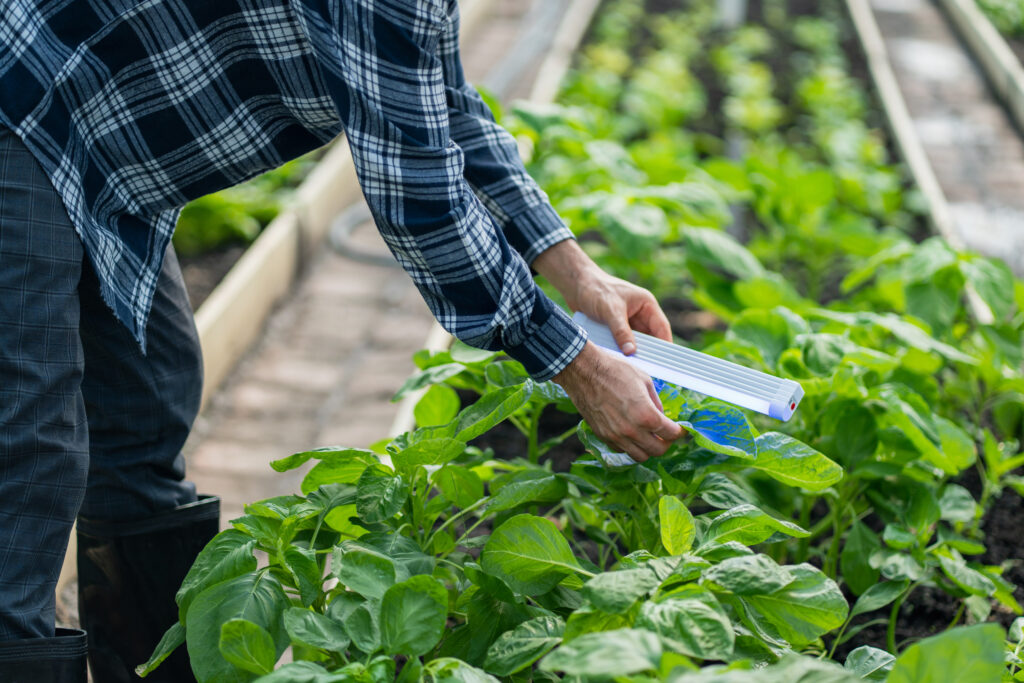
Different crops require different temperature, humidity, light, and ventilation conditions. We study your crop type—vegetables, flowers, fruits, seedlings, or hydroponics—and match the greenhouse environment to its needs. This ensures the structure and climate system support optimal growth.
Orientation and Energy Efficiency Planning
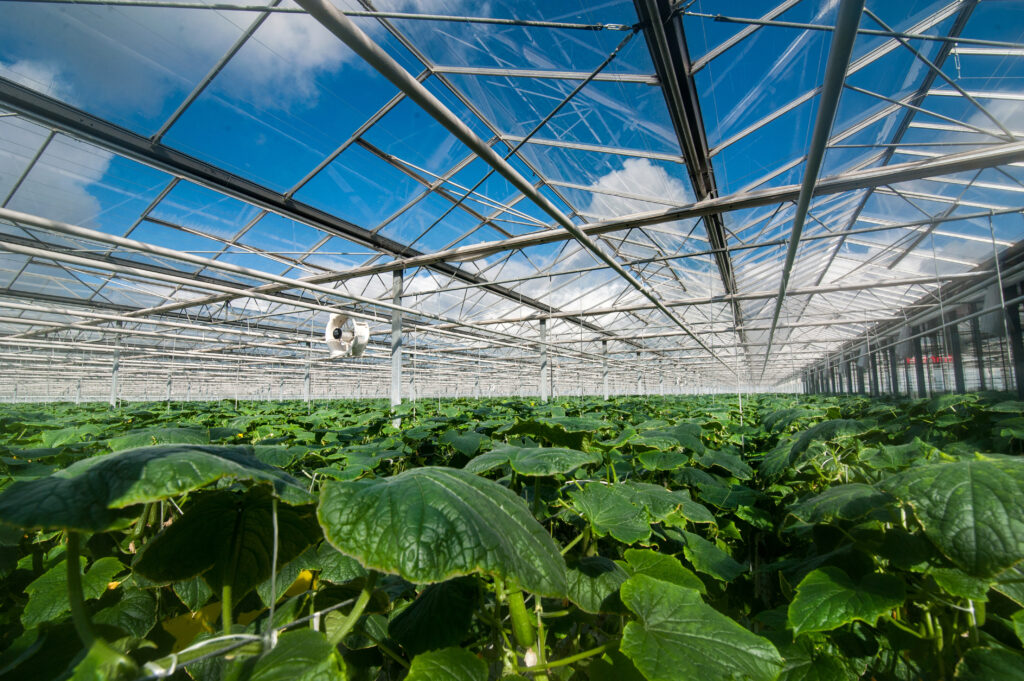
We determine the best greenhouse orientation and layout to maximize natural light and airflow. This helps reduce energy consumption for heating, cooling, and lighting, improving long-term operating efficiency.


