跳至内容
跳至内容 
Table of Contents
In commercial greenhouse investment, crop selection is often mistaken as a purely agricultural decision. In reality, it is first and foremost a market decision.
Many greenhouse projects fail not because of poor growing techniques, but because crop choices were disconnected from real market demand. A greenhouse provides controlled climate, high-density production, and year-round output—but these advantages only translate into profit when aligned with strong and stable sales channels.
Successful greenhouse planning starts with one simple principle:
Choose what the market needs before deciding how to grow it.
1. Start With Market Demand, Not Crop Preference
Before selecting any crop, investors must evaluate:
What products are consistently in demand locally or regionally?
Are there import substitution opportunities?
Do supermarkets, distributors, or food service buyers offer long-term contracts?
Is export a realistic option?
Greenhouse production typically carries higher capital and operating costs compared to open-field farming. Therefore, the chosen crop must justify this investment through higher value or stronger price stability.
A crop that is easy to grow but difficult to sell is a financial risk.
2. Prioritize High-Value Crops
Commercial greenhouses are best suited for crops that generate strong revenue per square meter.
Common high-value greenhouse crops include:
Cherry tomatoes and colored peppers
Strawberries
Cucumbers
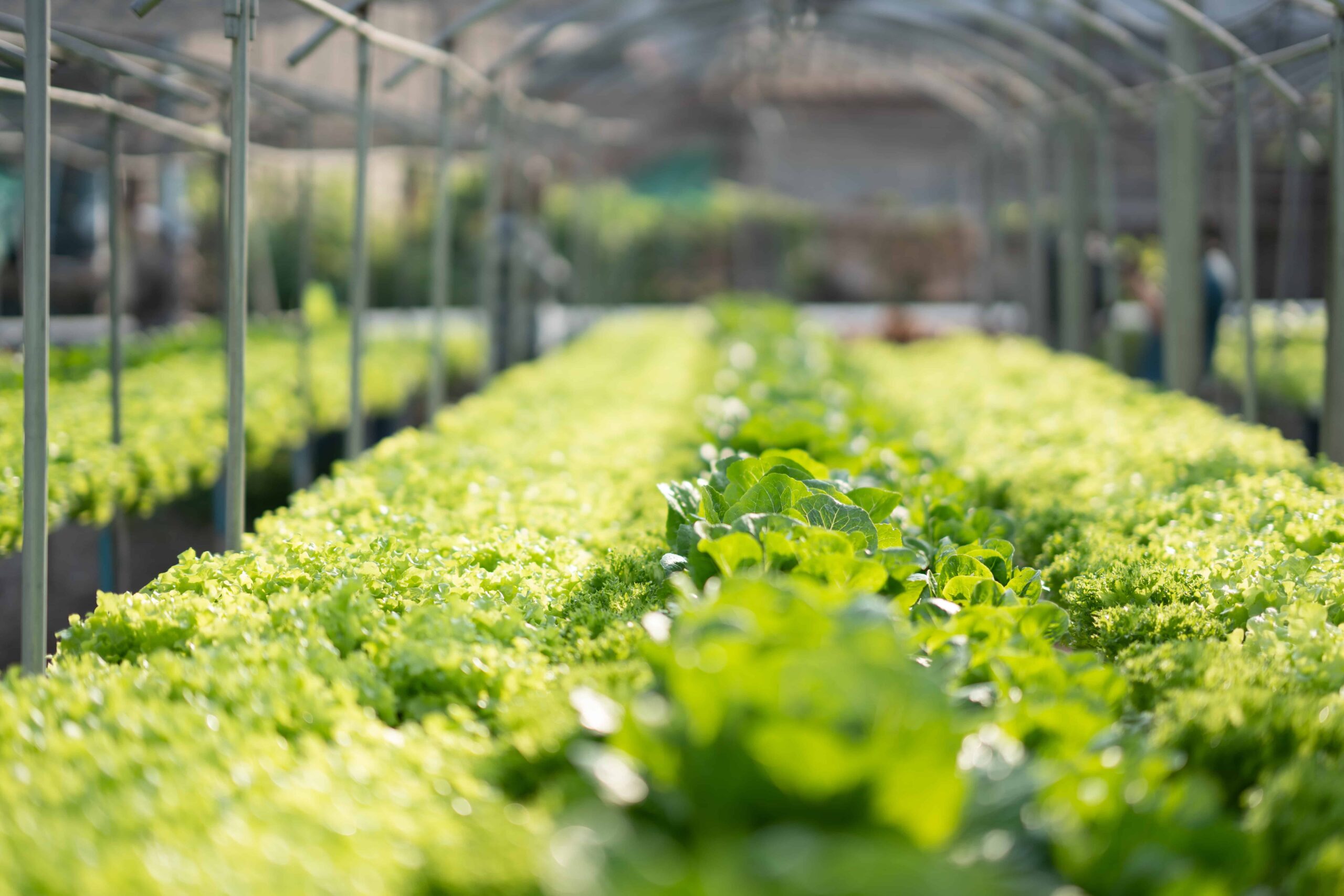
Leafy greens (lettuce, herbs, hydroponic vegetables)
Specialty greens and microgreens
These crops typically share important characteristics:
Stable year-round demand
Higher price per kilogram
Compatibility with intensive cultivation systems
Efficient use of controlled environments
Low-margin bulk crops often struggle to cover greenhouse operating costs, especially when energy and labor expenses are high.
3. Analyze Regional Market Structure
Crop strategy must reflect regional consumption patterns and supply conditions.
For example:
In the Middle East, greenhouse tomatoes and cucumbers often replace imported vegetables.
In parts of Africa, urban supermarket demand for hydroponic leafy greens is expanding.
In Europe, premium strawberries and specialty vegetables command price premiums.
Climate also plays a role. In hot regions, heat-tolerant crops reduce cooling costs. In cold climates, off-season vegetable production creates pricing advantages during winter months.
Selecting crops without understanding local demand patterns increases risk.
4. Match Production Volume With Market Capacity
Profitability depends not only on crop price but also on sales absorption capacity.
If a greenhouse produces 100 tons of tomatoes per month but the local market can only absorb 60 tons, oversupply will push prices down. Even high-yield crops become unprofitable if market access is limited.
Investors should evaluate:
Market size and consumption volume
Seasonal price fluctuations
Competitive supply levels
Logistics and cold chain capacity
Stable contracts are often more valuable than temporary price peaks.
5. Diversify to Reduce Market Risk
Experienced greenhouse operators rarely depend on a single crop.
A balanced production structure may include:
A primary crop with stable volume demand
A secondary crop with higher margin but more price volatility
Short-cycle crops that generate quick cash flow
Diversification reduces exposure to market price swings and disease-related risks.
6. Align Crop Choice With Technical Capacity
Different crops require different levels of technical management.
For example:
Vine crops such as tomatoes require precise climate and pruning management.
Strawberries demand careful disease control and environmental stability.
Hydroponic leafy greens often allow more standardized production systems.
Selecting crops that exceed the operational skill level of the management team can increase failure risk.
Technical capacity must match crop complexity.
7. Consider Energy and Cost Structure
Energy cost significantly influences crop profitability.
In regions with high electricity or heating costs, growers should prioritize crops that:
Have shorter growth cycles
Deliver higher revenue per square meter
Do not require extreme temperature control
If a crop demands intensive heating or cooling but cannot command premium pricing, margins will shrink quickly.
Energy-efficient crop planning improves long-term sustainability.
8. Integrate Long-Term Strategic Planning
Crop selection should not focus only on short-term returns. Investors should also consider:
Expansion potential
Brand positioning opportunities
Export certification requirements
Future automation upgrades
A greenhouse project designed for long-term growth must choose crops that support scalability and consistent quality standards.
Conclusion: Market Demand Drives Crop Strategy
In commercial greenhouse operations, the most important question is not “What is easiest to grow?” but “What is most profitable to sell?”
A sound crop selection strategy follows this sequence:
Study market demand and pricing trends
Assess production capacity and cost structure
Match output with sales channels
Diversify to reduce risk
Align crop complexity with operational expertise
When market demand, production efficiency, and cost management are aligned, greenhouse investment becomes sustainable and scalable.
The greenhouse structure enables production—but market-driven crop selection determines profitability.