跳至内容
跳至内容 
Table of Contents
Choosing the right materials is one of the most important decisions in greenhouse design.
Materials affect light transmission, insulation, durability, maintenance cost, and long-term performance.
A well-designed greenhouse is not defined by one single material.
It is a system made of cladding, frame, and flooring, each serving a different purpose.
This guide explains the best materials for greenhouses, based on performance, lifespan, and real-world use.
Greenhouse Cladding: The Most Critical Material Choice
Cladding is the outer covering of a greenhouse.
It directly affects light quality, heat retention, and durability.
Polycarbonate: The Best Overall Choice
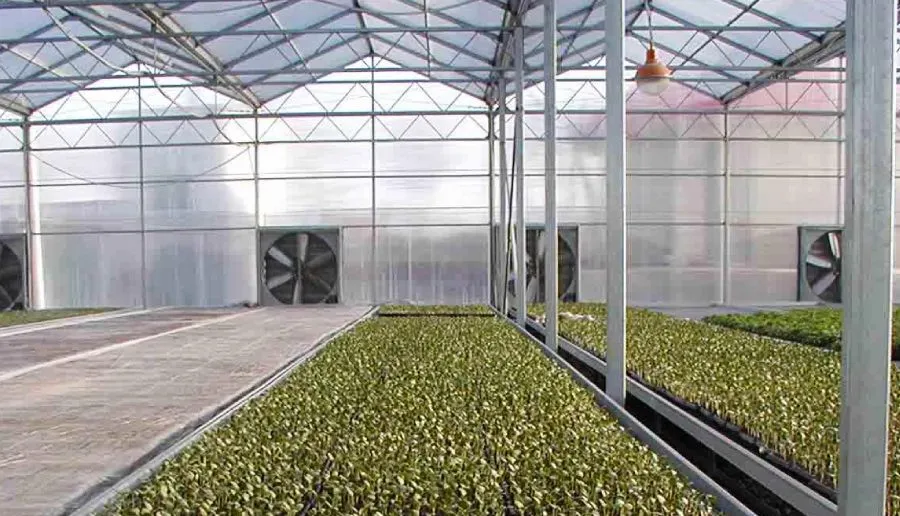
Polycarbonate is widely considered the best all-around greenhouse covering material for modern greenhouses.
It offers strong light transmission while diffusing sunlight. This helps distribute light evenly and reduces plant stress caused by direct sun exposure. Unlike glass, polycarbonate does not create harsh light spots.
Insulation is another major advantage. Twin-wall and multi-wall polycarbonate panels have high thermal resistance (R-value), which helps maintain stable temperatures and reduce heating costs.
Polycarbonate is also very durable. It is impact-resistant, does not shatter, and can withstand snow and strong wind. Most panels come with long warranties and can last over ten years with proper care.
For growers who want a balance of performance, durability, and cost, polycarbonate is often the best choice.
Glass: Traditional but Less Practical
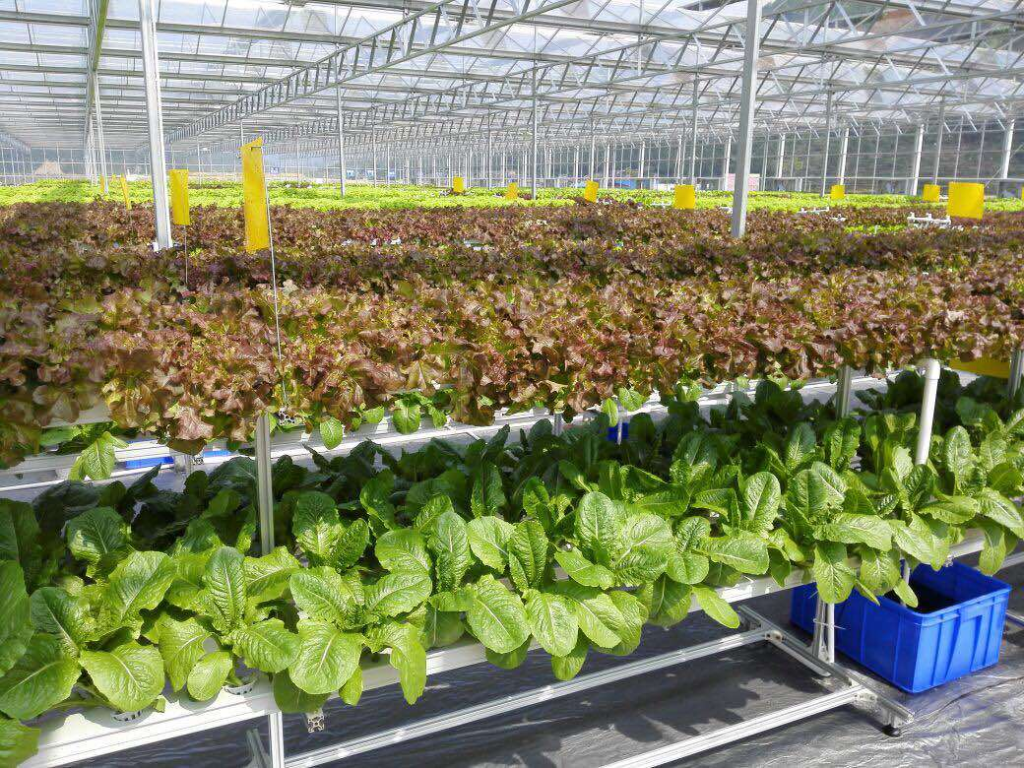
Glass is known for its high light transmission and classic appearance. It is still used in some high-end or display greenhouses.
However, glass has several drawbacks. It is heavy and requires a strong frame, which increases construction cost. It also provides poor insulation compared to modern alternatives.
Direct sunlight through glass can cause overheating and plant stress if shading is not well managed. Breakage risk is another concern, especially in harsh weather.
Glass is suitable mainly where appearance is more important than efficiency.
Fiberglass: An Aging Middle Option
Fiberglass panels are lighter and cheaper than glass. They offer moderate insulation and can last up to 10–15 years.
The main issue with fiberglass is aging. Over time, panels tend to yellow, which reduces light transmission. Surface degradation can also make cleaning more difficult.
Because of these issues, fiberglass is becoming less popular in modern greenhouse construction.
Plastic Film: Low Cost, Short Life

Plastic film is the most affordable greenhouse covering. It is often used for seasonal or temporary greenhouses.
Its lifespan is limited, usually between one and five years. The film is easily damaged and requires frequent replacement.
Plastic film is suitable for low-budget or short-term use, but it is not ideal for permanent or commercial greenhouses.
Greenhouse Framing: Strength and Stability
The frame supports the entire greenhouse structure.
Strength, corrosion resistance, and lifespan are key factors.

Galvanized Steel: The Commercial Standard
Galvanized steel is the most common framing material for commercial greenhouses.
The zinc coating protects the steel from rust and corrosion, even in humid greenhouse environments. Steel frames are strong, stable, and designed for long service life.
For large-scale or permanent greenhouses, galvanized steel is the industry standard.
Cedar Wood: Best for Small or Backyard Greenhouses
Cedar is a popular choice for residential greenhouses.
It is naturally resistant to rot and insects. Cedar also offers a warm, natural appearance that blends well into gardens.
However, wood frames require more maintenance and are less suitable for large commercial structures.
Greenhouse Flooring: Often Overlooked but Important
Flooring affects drainage, hygiene, and maintenance.
Poured Concrete: Clean and Durable
Concrete floors are smooth, durable, and easy to clean. They allow carts and equipment to move easily.
Good drainage design is essential. Concrete also works well with radiant heating systems, making it ideal for temperature-controlled greenhouses.
Gravel: Simple and Effective
Gravel provides excellent drainage and is low cost. It is commonly used in many greenhouses.
Installing weed cloth under the gravel helps prevent weed growth. Gravel floors are easy to modify if drainage systems need to be added later.
Please leave your contact email, and one of our professional greenhouse engineers will reach out to you within 24 hours.
Maintenance Considerations
Material choice also affects maintenance.
Polycarbonate panels should be cleaned with mild soap and water. Harsh chemicals should be avoided.
Glass and fiberglass may require stronger cleaning, especially if algae or residue builds up.
Regular inspection of frames, drainage, and coverings helps extend the greenhouse lifespan and maintain performance.
Conclusion: The Best Material Combination
There is no single “perfect” greenhouse material, but there is a best combination for most growers.
For modern, durable, and efficient greenhouses, the most balanced solution is:
Galvanized steel frame
Multi-wall polycarbonate cladding
Concrete or gravel flooring
This combination offers strong structure, good insulation, long lifespan, and manageable maintenance.
For smaller backyard greenhouses, cedar frames with polycarbonate panels are also an excellent choice.
Ultimately, the best materials are those that match your climate, budget, and production goals.