Table of Contents
“What can I grow in a greenhouse all year-round?” is one of the most common questions asked by growers, investors, and project planners.
From an engineering perspective, this question is often misunderstood. Year-round growing is not determined by the plant alone, but by the greenhouse system’s ability to consistently maintain a suitable growing environment. A greenhouse can extend seasons—but not every greenhouse can support every crop throughout the year.
This guide explains what can realistically be grown year-round in a greenhouse, based on crop type, greenhouse technology level, and climate conditions.
Core Crops for Year-Round Greenhouse Growing
(Best for Beginners and Commercial Operations)
For greenhouses equipped with basic heating and environmental control, certain crops have proven reliable across regions and climates.
1.Leafy Greens
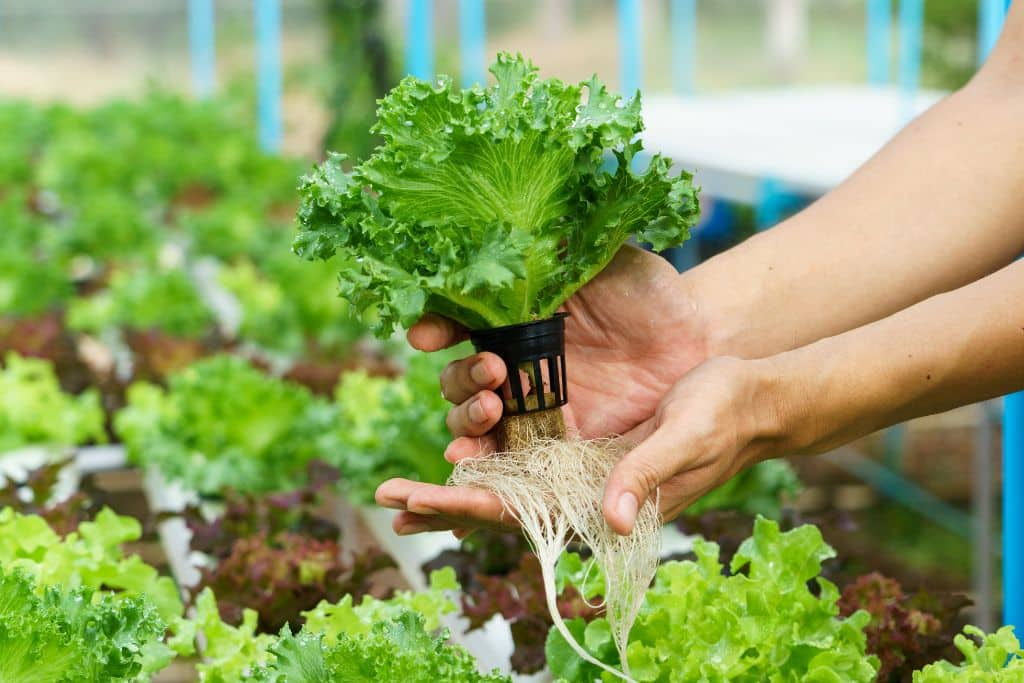
Lettuce, spinach, kale, and arugula are among the most dependable year-round greenhouse crops.
They have short growth cycles and tolerate cooler temperatures better than most fruiting plants. Even in winter, as long as minimum temperature thresholds are maintained, these crops can be continuously harvested.
From an engineering standpoint, leafy greens are often used to validate greenhouse system stability. If a greenhouse cannot consistently support leafy greens, attempting higher-demand crops year-round carries significant risk.

2.Vine Crops
In commercial greenhouses, tomatoes, cucumbers, and sweet peppers are considered classic year-round crops.
With mid- to high-tech greenhouse systems or controlled-environment agriculture (CEA), these crops can maintain steady weekly harvests even during winter months. However, they require reliable heating, ventilation, humidity control, and, in many regions, supplemental lighting.
Unlike leafy greens, vine crops are more sensitive to environmental fluctuations. Successful year-round production usually indicates that the greenhouse has reached a mature operational level.
3.Herbs
Basil, mint, parsley, cilantro, thyme, and sage are well-suited for year-round greenhouse cultivation.
Herbs generally require less space, grow quickly, and can be harvested multiple times. For small commercial greenhouses or early-stage projects, herbs often deliver a strong balance between system demands and economic return.
Advanced and High-Value Crops
As greenhouse systems become more advanced, the range of viable year-round crops expands significantly.
1.Fruits and Berries
With precise environmental control, strawberries, blueberries, and raspberries can be grown year-round or brought to market earlier than field production.
These crops demand stable temperatures, high-quality lighting, and careful management, but they also offer higher market value. In advanced systems, even cherries, citrus, or guava may be considered.
2.Flowers and Ornamental Plants
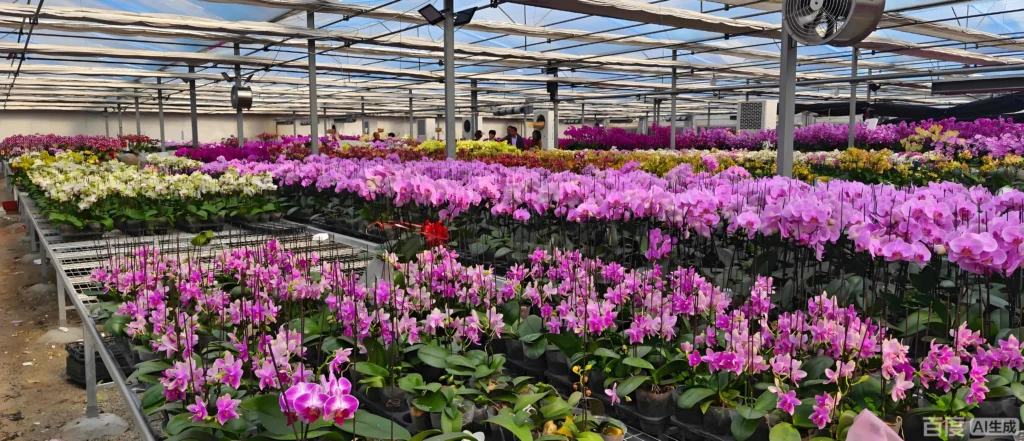
In floriculture, greenhouses function as timing control systems.
Seasonal crops such as poinsettias and chrysanthemums rely on controlled production cycles, while high-value flowers like orchids, roses, and lilies depend on long-term environmental stability and experienced management.
While flowers can be produced year-round, they typically require tighter control and stronger market planning than vegetable crops.
3.Medicinal and Specialty Plants
In highly automated greenhouses, certain medicinal plants or research-specific crops can be cultivated year-round.
These crops demand exceptional environmental consistency and are generally suited only to professional teams with clear regulatory and operational frameworks.
4.Tropical Crops
Smart greenhouses can simulate tropical climates, enabling year-round production of papaya, mango, and similar crops.
While technically feasible, these projects require careful evaluation of energy consumption, operating costs, and long-term return on investment.
Please leave your contact email, and one of our professional greenhouse engineers will reach out to you within 24 hours.
How Greenhouse Technology Defines Year-Round Growing Limits
Low-tech greenhouses rely mostly on natural sunlight and basic ventilation. They can extend the growing season. They work well for leafy greens and other cold-tolerant crops. However, they cannot keep stable temperatures in winter for fruiting plants.
Mid- to high-tech greenhouses add active heating and controlled airflow. Many also use humidity control and extra lighting. With these systems, crops like tomatoes, cucumbers, and sweet peppers can show steady growth all year. This level of technology is the starting point for true year-round commercial growing.
Smart greenhouses use sensors and automation to control the environment in real time. Temperature, light, and water are adjusted automatically. At this level, most crops can be grown all year. The main limits are cost, energy use, and long-term efficiency—not plant biology.
Climate and Location: Why Geography Still Matters
1.Cold Regions
In cold climates, greenhouses primarily function to create warmth. Tomatoes, herbs, and leafy greens are common winter crops that would otherwise be impossible outdoors.
2.Hot and Arid Regions
In hot or dry climates, greenhouse design focuses on cooling, shading, and water efficiency. With proper systems, vegetables and root crops can be grown year-round under controlled conditions.
3.Poor or Saline Soil Areas
Through hydroponic or aeroponic systems, growers can bypass soil limitations entirely, enabling consistent year-round production regardless of ground conditions.
So, What Should You Grow All Year-Round?
An Engineer’s Recommendation
Year-round greenhouse growing does not have a universal answer—it depends on how well crops match system capability. A practical decision framework is:
If you are new to year-round production or operating a basic greenhouse, prioritize leafy greens and herbs to confirm system stability.
For reliable commercial output, tomatoes, cucumbers, and sweet peppers become viable once heating, ventilation, and lighting are dependable.
High-value crops such as strawberries, blueberries, or premium flowers should only be introduced after systems and teams are proven.
In smart greenhouses, crop choice is rarely a technical issue; economic return and operating efficiency become the deciding factors.
Conclusion: Year-Round Growing Is a System Question, Not a Crop Question
From a greenhouse engineer’s perspective, successful year-round growing is not about selecting the “right plant.”
It is about designing and operating a system that can consistently deliver the environment that plant requires.
When the system is right, seasons become irrelevant—and year-round production becomes a controllable, repeatable process.