Greenhouse Shading System
Table of Contents
Why Choose FANGCHENG?
Customizable, professional, and knowledgeable. We produce cost-effective & high-quality commercial greenhouses.
A greenhouse shading system helps growers manage solar radiation, reduce heat stress, and maintain stable growing conditions throughout the year. For commercial operations, shading is essential for preventing overheating, improving energy efficiency, and protecting crops from excessive light intensity.
FANGCHENG provides shading solutions tailored to greenhouse size, structure, and crop requirements. Our systems include interior and exterior curtains, light-diffusing screens, and automated shading controls designed to maintain balanced light, temperature, and humidity with minimal manual adjustment.
What is Greenhouse Shading System
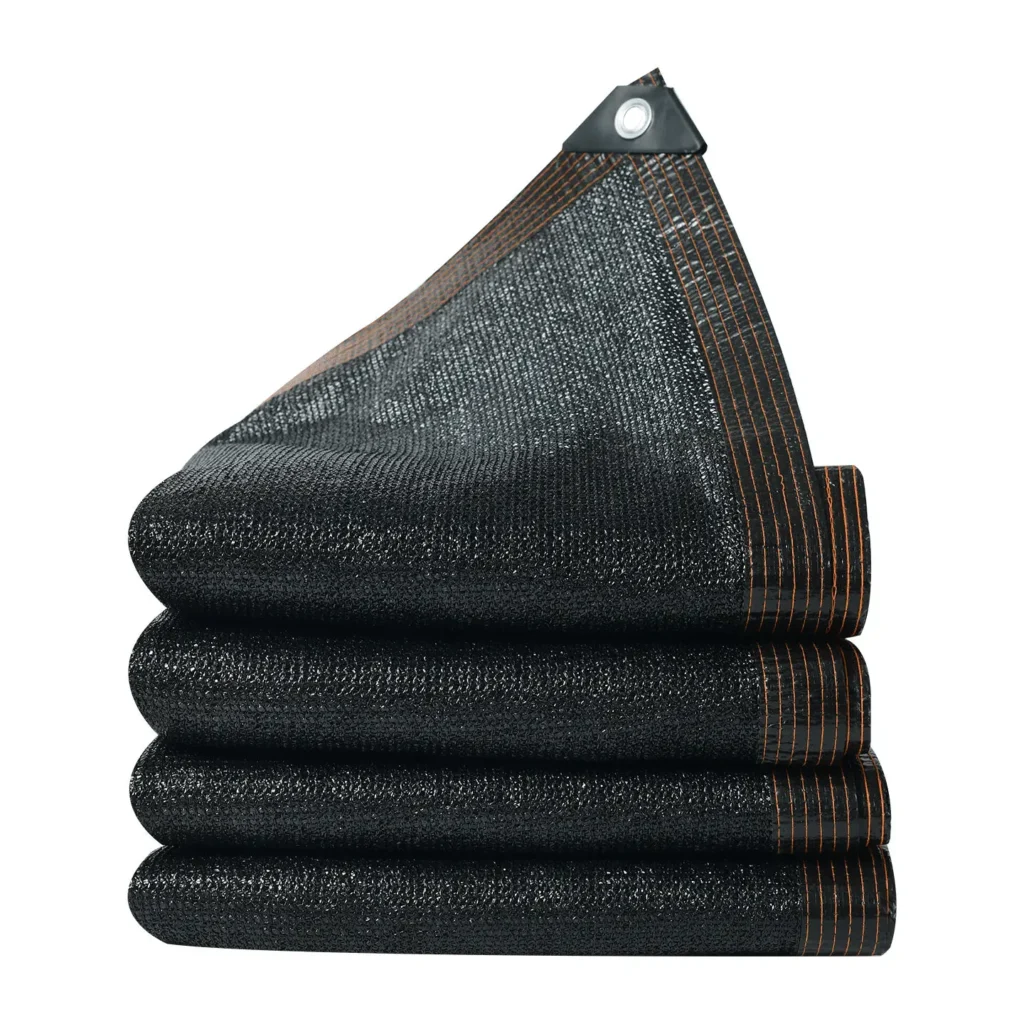
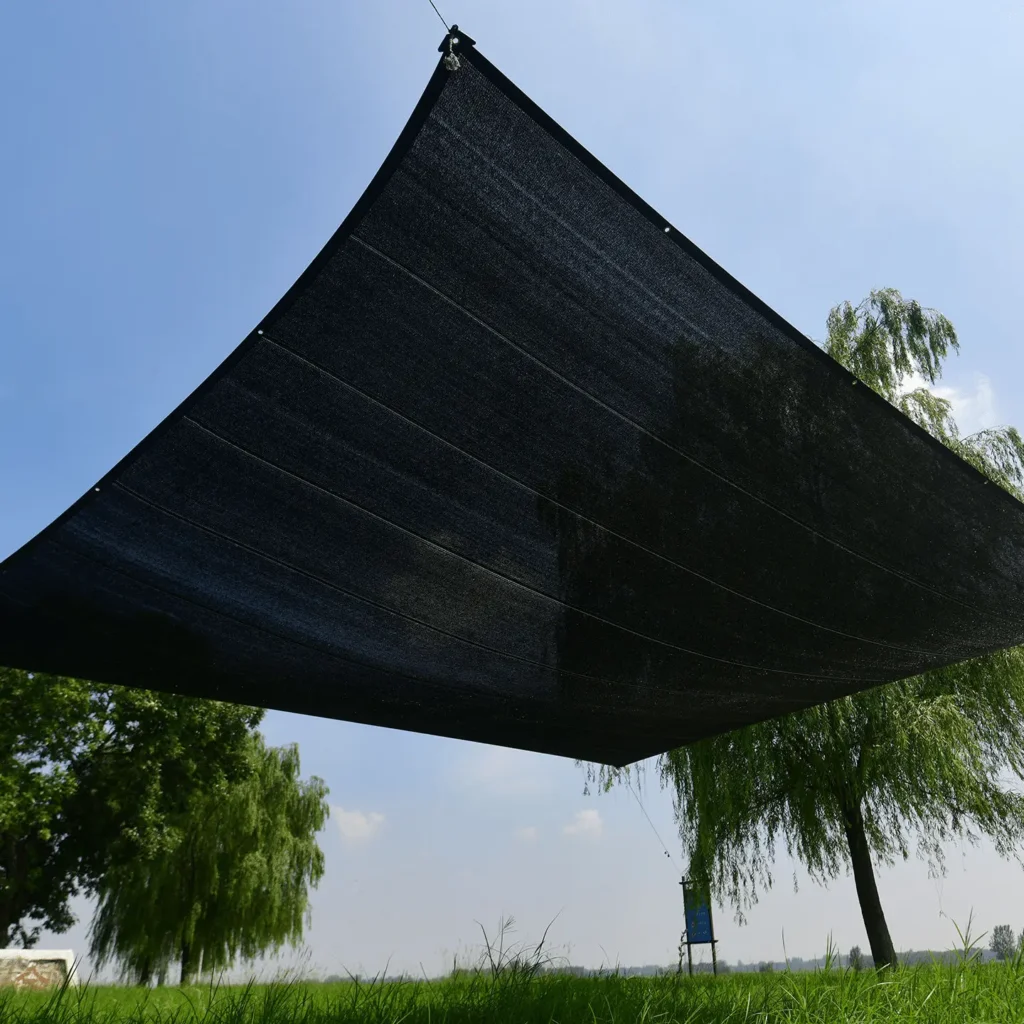
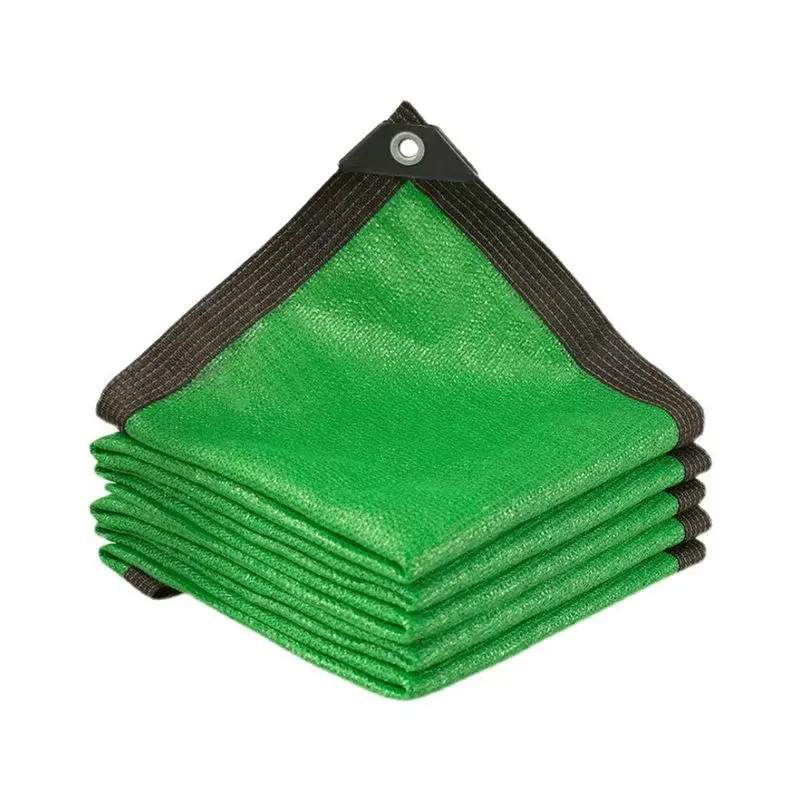
A greenhouse shading system is a setup that uses shading screens or curtains to reduce excess sunlight and heat inside a greenhouse. It helps prevent overheating, protects crops from light stress, and keeps the growing environment stable. The curtains can be manual or automated, opening and closing based on light and temperature needs.

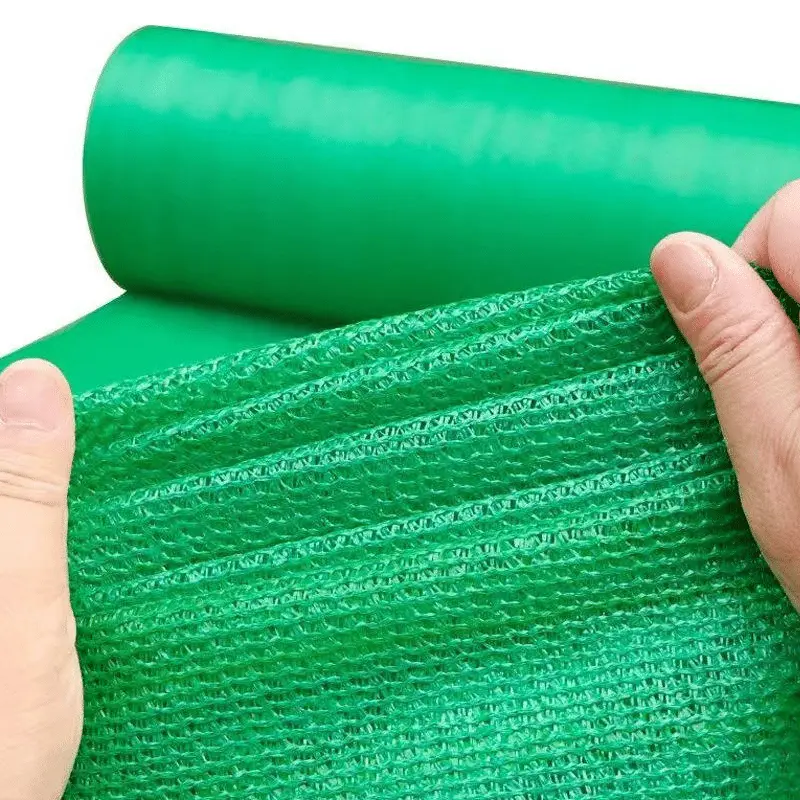

Why Shading Matters in a Greenhouse
Greenhouses rely on sunlight for plant growth, but too much radiation quickly leads to excessive heat, plant stress, leaf burn, and reduced yields. During summer or in high-light regions, solar gain can raise temperatures far beyond optimal ranges. Shading systems reduce incoming light intensity, stabilize internal temperatures, and help maintain uniform growing conditions.
Shading is not simply about blocking light; it is about regulating the quantity, distribution, and diffusion of light so plants can photosynthesize efficiently without overheating. Proper shading improves canopy uniformity, reduces disease pressure caused by fluctuating humidity, and lowers cooling energy demand.
What can I get?
Please leave your contact email, and one of our professional greenhouse engineers will reach out to you within 24 hours.
How Greenhouse Shading Systems Work
A shading system uses specially designed screens or curtains installed above the crop canopy. These screens partially block sunlight and reduce thermal load, while still allowing enough light for photosynthesis. Many systems incorporate reflective or diffuse materials to improve light spread and reduce hot spots.
Automated shading systems operate based on climate sensors. When sunlight intensity rises or temperatures increase, the curtain closes partially or fully. When light levels drop, the screen retracts to maximize natural light absorption. This dynamic control creates a consistent, optimized microclimate without constant manual input.
Types of Shading Systems
for Commercial Greenhouses
Internal Shading Curtains
Internal systems are installed under the roof structure. They are versatile, easier to maintain, and offer excellent climate control. Internal curtains not only reduce light but can also help retain heat during winter nights. Materials range from aluminized screens for heat reflection to diffuse fabric screens for soft, even light distribution.
External Shading Systems
External shades block sunlight before it enters the greenhouse, significantly reducing heat load. These systems are highly effective in hot climates where cooling costs are high. Because they intercept heat outside the structure, they prevent temperature spikes and reduce reliance on mechanical cooling.
Blackout / Light-Deprivation Curtains
Some crops require strict photoperiod control. Blackout curtains create near-dark conditions to regulate flowering cycles and enhance production scheduling. These systems require high sealing performance and are often motorized for precise timing.
Thermal Screens (Energy Curtains)
Certain shading screens provide dual benefits: shading during the day and insulation during the night. They help maintain temperature balance and reduce energy consumption, especially in greenhouses located in regions with large day-night temperature differences.
Key Factors When
Designing a Shading System
Designing an effective shading system requires an understanding of crop light requirements, greenhouse orientation, and local climate. Each crop species has different tolerance for light intensity and daily light integral (DLI). Excess shading can limit photosynthesis and slow growth, while insufficient shading leads to heat stress and leaf damage.
Shading material selection is critical. Different fabrics offer varying levels of shading percentage, heat reflection, and light diffusion. Diffused shading helps distribute light more evenly across the canopy, reducing shadows and improving plant uniformity.
Installation height and curtain layout influence airflow, humidity, and the overall microclimate. Screens must open and close smoothly to prevent temperature and humidity imbalances. Structural compatibility is also important, especially for external systems exposed to wind loads.
Automation enhances performance and energy efficiency. Sensor-based systems link shading with climate control, ventilation, and cooling, ensuring coordinated operation. For example, when shading reduces light, supplemental lighting may adjust automatically to maintain the target DLI.
Shading Systems and
Greenhouse Climate Interaction
A shading system directly affects temperature, humidity, and airflow. By reducing solar gain, it lowers cooling demand and prevents excessive humidity buildup caused by plant transpiration. During cloudy or cool conditions, the shading system retracts to allow maximum natural light, improving productivity without additional energy input.
The relationship between shading and ventilation is key. When shading reduces internal heat load, ventilation requirements decrease, resulting in lower energy consumption. Automated coordination ensures climate stability even during rapid changes in outdoor conditions.
Energy Savings and Operational Efficiency
Shading systems significantly reduce the need for cooling equipment operation. By intercepting solar energy, they prevent temperature spikes that would otherwise require exhaust fans, cooling pads, or fogging systems to work at full capacity. This reduction in mechanical cooling extends equipment life and lowers electricity costs.
Thermal screens offer additional nighttime insulation, helping maintain heat and lowering heating expenses during cooler months. A well-designed shading system becomes a long-term investment that improves climate stability while reducing operational costs.
Trends and Innovations in Greenhouse Shading
Modern greenhouses are adopting high-performance shading materials with better heat-reflective coatings, increased durability, and improved light diffusion. External motorized systems with weather sensors adapt shading levels based on wind, sunlight, and temperature conditions.
Integrated climate software enables precise control of shading, linking it with lighting, CO₂ enrichment, and irrigation strategies. This creates a fully optimized climate where shading is not a standalone function but part of a whole-environment management approach.
Sustainable design is also advancing. New shading materials with recyclable components, solar-reflective coatings, and low-energy drive systems improve environmental performance without compromising climate control effectiveness.
Conclusion
A greenhouse shading system is a vital component of modern greenhouse climate management. By regulating light intensity, reducing heat load, and improving energy efficiency, shading systems create a stable environment that supports healthy, predictable plant growth throughout the year.
Whether using internal curtains, external shades, blackout screens, or energy-saving thermal materials, an effective shading solution enhances production, reduces costs, and protects crops from climatic stress. With proper design, automation, and integration, shading becomes a powerful tool for achieving consistent, high-quality yields in any commercial greenhouse.
FAQs About Greenhouse Shading Systems
1. What is the purpose of shading in a greenhouse?
Shading reduces excess sunlight and heat, preventing crop stress and helping maintain a stable growing environment during high-light or high-temperature periods.
2. What is the purpose of a shade house?
A shade house provides partial light protection for plants that require lower light levels. It reduces heat load and creates a softer, cooler environment for propagation, ornamentals, and shade-tolerant crops.
3. When should you shade a greenhouse?
Shading is typically used during hot seasons, midday peak sunlight, or whenever interior temperatures rise above crop-specific limits. Automated systems can adjust shading based on real-time climate data.
4. What is the difference between a greenhouse and a shade house?
A greenhouse is an enclosed structure designed for controlled climate production, while a shade house is an open or semi-open structure that mainly reduces light intensity without full climate control.